
Autonomous Runtime Security: Turning Runtime Intelligence into Agentic Response
Security teams have spent years and billions of dollars shifting security left. This has changed what teams can see and introduced a new level of visibility, but it has not helped with what they can control.
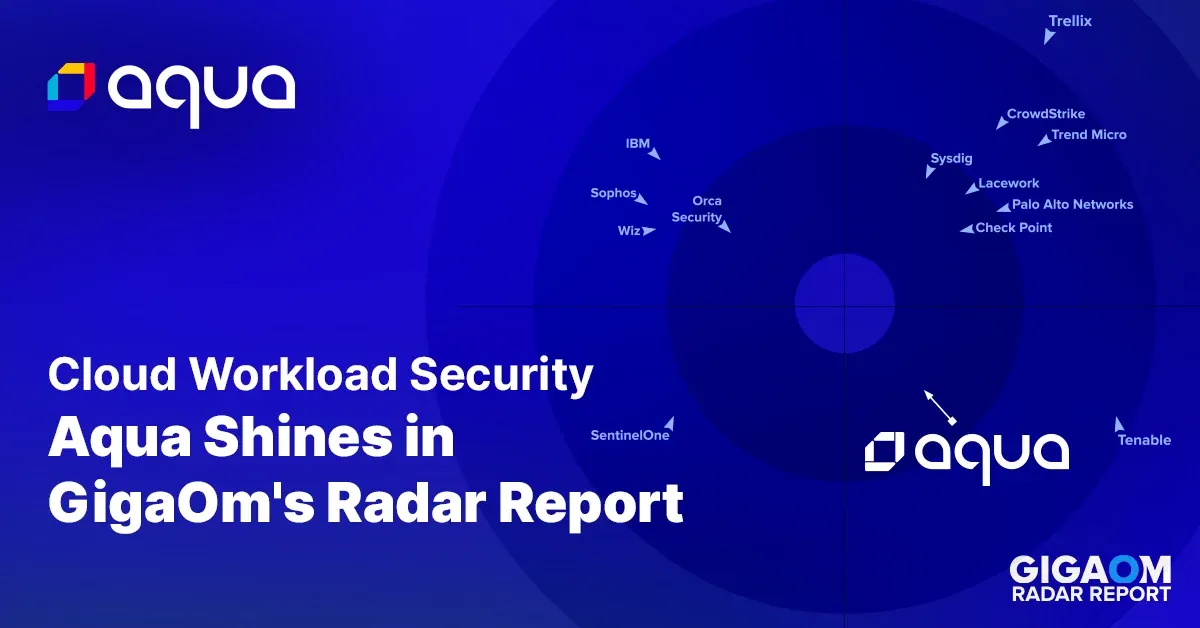 Cloud Workload Security: Aqua Shines in GigaOm's Radar ReportAquasec
 Aqua and HashiCorp Enable Cloud Native Security, Zero-Trust ApproachesAquasec
 Go deeper: Linux runtime visibility meets WiresharkAquasec
 Cloud VM Security with Aqua CSPAquasec
 Empowering Security: Bridging Talk to Action at RSA 2024Aquasec
 Istio Security: Zero-Trust NetworkingAquasec
 Cloud Security Trends & Challenges: Complete GuideCybersecurity Exchange
 A Guide to Extended Threat Detection and Response: What It Is and How to Choose the Best SolutionsCybersecurity Exchange
 Security Implementation for Responsible AI: A Practical FrameworkCybersecurity Exchange
 Create assistant message - MintlifyMintlify
 Mintlify Alternatives: What to Consider (and Why There's No True Substitute)Mintlify
 The Most Important Work in AI Training Is Also the Most Overlooked - Deepgram Blog ⚡️Deepgram
 How to Conduct an AI Agent Security Audit [+ Checklist]Zapier
 5 ways to automate Browse AIZapier
 DevSecOps: Why Security Shouldn’t be Sacrificed for SpeedThenewstack
 Lessons Swift Designer Chris Lattner Has Learned about LeadershipThenewstack
 Security Considerations for API-Driven Apps Deployed to CloudThenewstack
 Oso Unbundles Security AuthorizationThenewstack
 Pulumi ESC and External Secrets Operator: The Perfect Solution for TodayPulumi
 IaC Best Practices: Implementing RBAC and SecurityPulumi
