
Stopping a DreamBus Botnet Attack with Aqua’s CNDR
We recently came across a real-life scenario that is very common for organizations. A developer with admin access launched a cloud native application but made a mistake and misconfigured it with weak credentials.
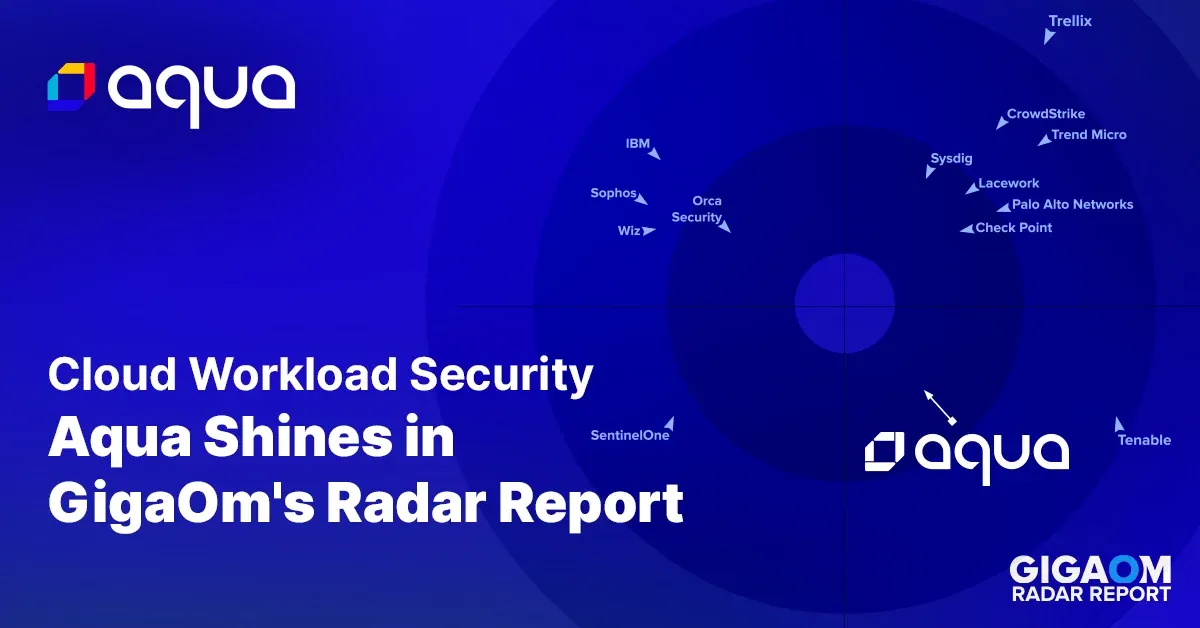 Cloud Workload Security: Aqua Shines in GigaOm's Radar ReportAquasec
 Aqua and HashiCorp Enable Cloud Native Security, Zero-Trust ApproachesAquasec
 Lucifer DDoS botnet Malware is Targeting Apache Big-Data StackAquasec
 Cloud VM Security with Aqua CSPAquasec
 Remediate Vulnerabilities with Integrated Aqua and ServiceNow WorkflowsAquasec
Threat Alert: TeamTNT Pwn Campaign Against Docker and K8s EnvironmentsAquasec
Remediate Vulnerabilities with Integrated Aqua and ServiceNow WorkflowsAquasec
Threat Alert: TeamTNT Pwn Campaign Against Docker and K8s EnvironmentsAquasec
 How We Eliminated Long-Lived CI Secrets Across 70+ ReposPulumi
 Anthropic Identifies Biased Reasoning and Recklessness as Drivers of Claude’s PyPI AttackSocket
 Updated and Ongoing Supply Chain Attack Targets CrowdStrike npm PackagesSocket
 Popular npm Packages in the keyv and Cacheable Namespaces Compromised in Active Supply Chain AttackSocket
 Supply Chain Attack on Axios Pulls Malicious Dependency from npmSocket
 Stopping the slow death of internal toolsVercel
 OpenAPI React Query Codegen Compromised in Mini Shai-Hulud npm Supply Chain AttackSocket
 Deceptive Deprecation: The Truth About npm Deprecated PackagesAquasec
 Real-world Cyber Attacks Targeting Data Science ToolsAquasec
 Gafgyt Malware Variant Exploits GPU Power and Cloud Native EnvironmentsAquasec
 Go deeper: Linux runtime visibility meets WiresharkAquasec
 Trivy supply chain compromise: What Docker Hub users should knowDocker
 Run Secure Applications on OpenShift with IBM Power SystemsAquasec
 Cloud Native Security Best Practices: Vulnerability ManagementAquasec
