
Vulnerability Scanning for Kubernetes Applications: Why and How
By automating vulnerability scanning into the Kubernetes applications lifecycle, you can spot risky dependencies in your code and reduce the attack surface.

 Sink or Swim: Tackling 2024's Record-Breaking Vulnerability WaveAquasec
 Looney Tunables Vulnerability Exploited by KinsingAquasec
 Kubernetes Secrets: How to Create, Use, and Secure ThemAquasec
 Vulnerability Management in Container ImagesAquasec
 Run Secure Applications on OpenShift with IBM Power SystemsAquasec
 Cloud Native Security Best Practices: Vulnerability ManagementAquasec
 Local Kubernetes Development Using Minikube and Redis EnterpriseRedis
 How Argo CD and OpenShift Enable GitOps for DevelopersThenewstack
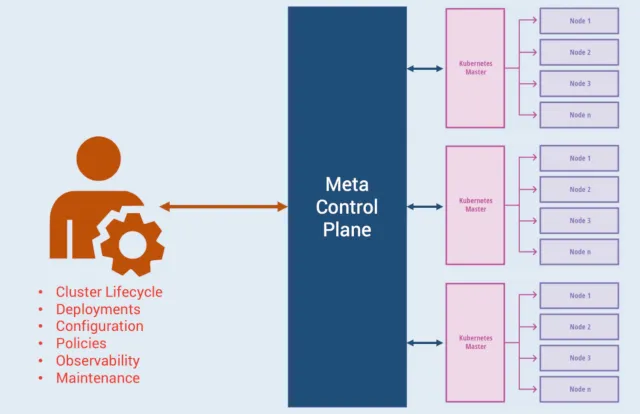 Google Anthos from the Eyes of a Kubernetes DeveloperThenewstack
 Security Considerations for API-Driven Apps Deployed to CloudThenewstack
 AWS Enterprise Container Management with PulumiPulumi
 Supporting Kubernetes with Faster, Easier Test EnvironmentsPulumi
 Neo Integrations: MCP Servers and Cloud CLIsPulumi
 KAUST and Cerebras Named Gordon Bell Award Finalist for Solving Multi-Dimensional SeismicCerebras
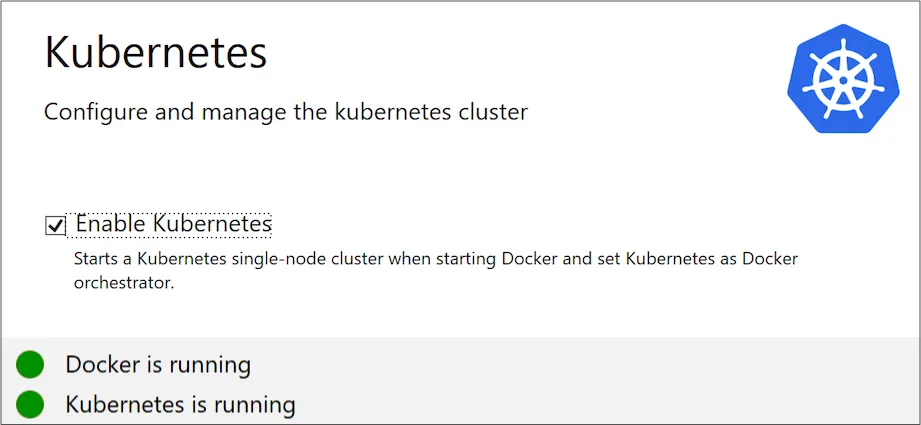 Docker for Windows Desktop with KubernetesDocker
 .NET zero-code instrumentationOpentelemetry
 Be the Hero in Your Real-Life Cyber Heist ScriptThenewstack
 Siloscape: Windows Malware That Breaks KubernetesThenewstack
 Breakdown: The Kubernetes-Run AI Video Generation Pipeline for NIUS.TVThenewstack
 GitOps Best Practices I Wish I Had Known BeforePulumi
