
From hierarchies to triaxial organizations: Designing AI-driven structures
AI is breaking the old school org chart. To stay ahead, we need to design 'cognitive friction' into our systems so humans still control the high-stakes decisions.

 Micro and macro agents: The emerging architecture of the agentic enterprisecio.com
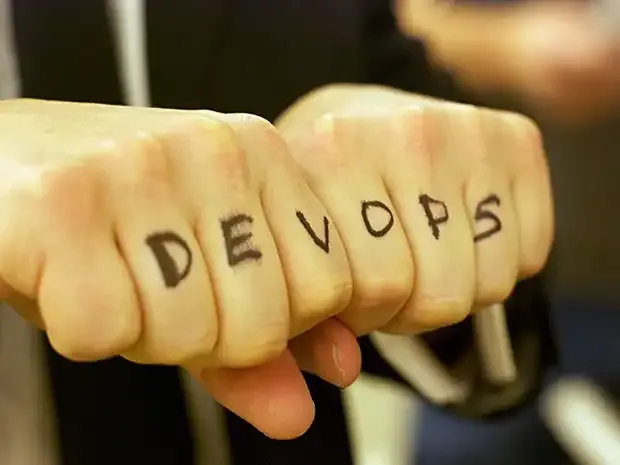 How DevOps changes the delivery of IT functionscio.com
 AGI skepticism: Tellers vs. toll booth workerscio.com
 5 critical roles for CIOs in defining digital strategy and executing digital transformation programscio.com
 7 key factors of successful digital transformationcio.com
 How the American Cancer Society is navigating its digital transformation journeycio.com
 Three Key Design Considerations for an Event-Driven ArchitectureThenewstack
 Security Considerations for API-Driven Apps Deployed to CloudThenewstack
 Connect Any Git or Mercurial Repo to Pulumi with Custom VCSPulumi
 Scaling Organizations Should Consider Building a Website Backed by a CRM PlatformCss Tricks
 Revisiting Docker Hub Policies: Prioritizing Developer ExperienceDocker
 Tree - MintlifyMintlify
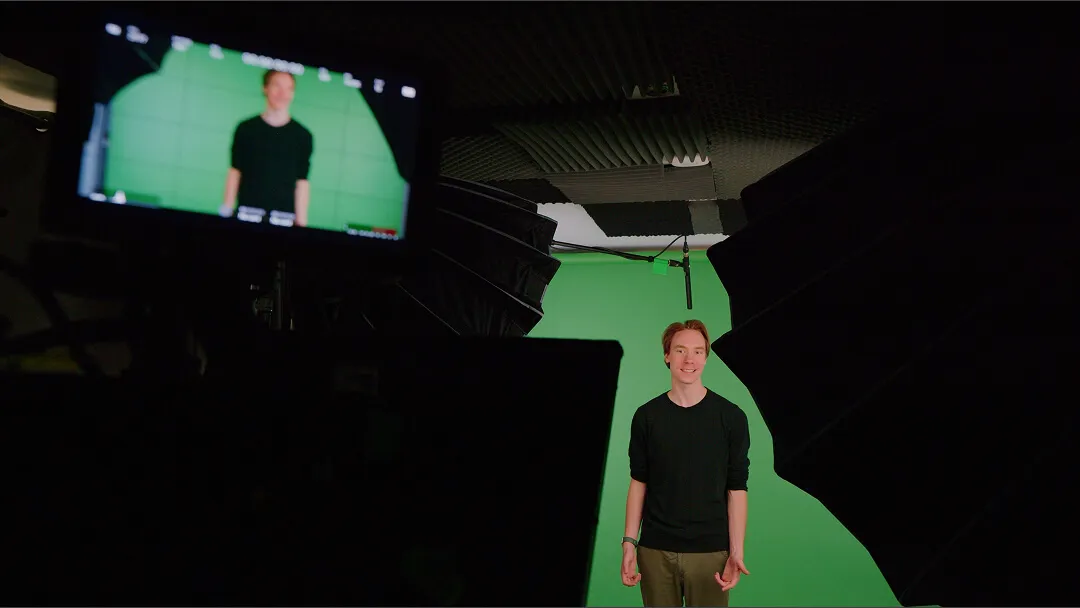 Synthesia launches talent experience program to learn from and reward the exceptional actors behindSynthesia
 Supply Chain Attacks and Cloud Native: What You Need to KnowThenewstack
 IaC Best Practices: Structuring Pulumi ProjectsPulumi
 Enhancing Pulumi Copilot: Introducing System Prompts for Your OrganizationPulumi
 Modal Clusters are generally availableModal
 State of Cloud SecurityDatadoghq
 London recap: Building custom AI apps with OpenAI and RetoolRetool
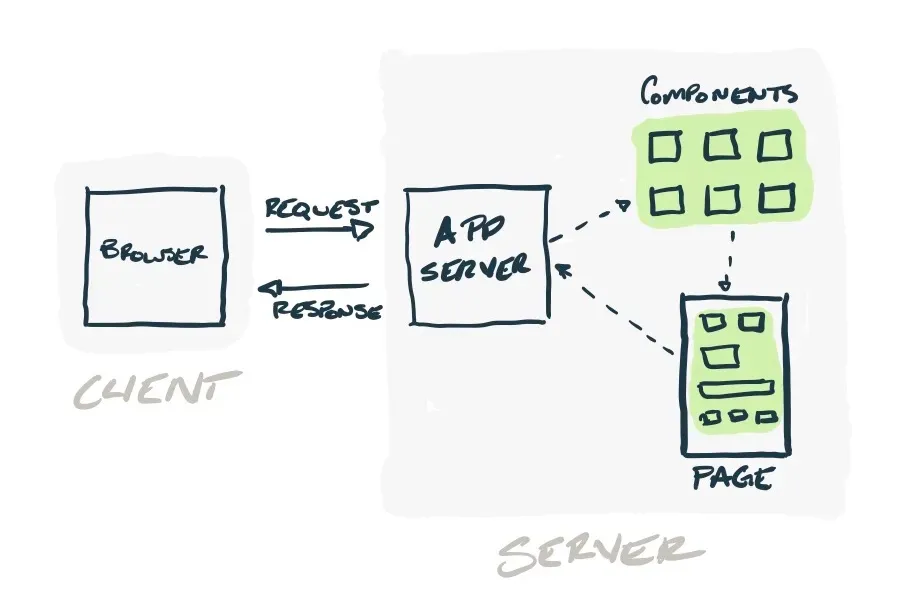 Components: Server-Side vs. Client-SideCss Tricks
