
Moving autonomous agents into production requires a universal context layer
Legacy systems cause chaos for AI agents. A universal context layer provides the secure framework needed to govern data and execute complex enterprise workflows.

 Micro and macro agents: The emerging architecture of the agentic enterprisecio.com
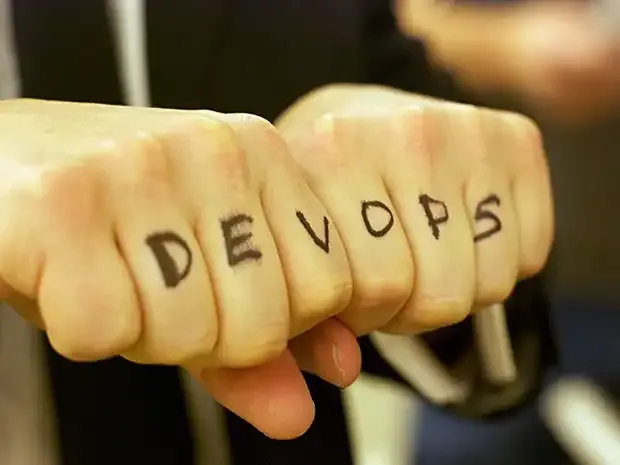 How DevOps changes the delivery of IT functionscio.com
 AGI skepticism: Tellers vs. toll booth workerscio.com
 5 critical roles for CIOs in defining digital strategy and executing digital transformation programscio.com
 7 key factors of successful digital transformationcio.com
 How the American Cancer Society is navigating its digital transformation journeycio.com
 Mintlify Alternatives: What to Consider (and Why There's No True Substitute)Mintlify
 10 best AI observability tools for monitoring and evaluating agents in 2026Mintlify
 Three Key Design Considerations for an Event-Driven ArchitectureThenewstack
 Lessons Swift Designer Chris Lattner Has Learned about LeadershipThenewstack
 Security Considerations for API-Driven Apps Deployed to CloudThenewstack
 Oso Unbundles Security AuthorizationThenewstack
 Pulumi Neo Now Supports AGENTS.mdPulumi
 Go Concurrency Patterns: Context - The Go Programming LanguageGo
 How to serve trillions of tokens for trillion-parameter coding agentsModal
 Do AI Agents Need a Semantic Layer?Motherduck
 Building a Remote MCP Server: OAuth, Tool Design & Lessons from 4,000+ AI Queries | MotherDuckMotherduck
 KAUST and Cerebras Named Gordon Bell Award Finalist for Solving Multi-Dimensional SeismicCerebras
 The Livecycle Docker Extension: Instantly Share Changes and Get Feedback in ContextDocker
 AI's Role in Video Marketing, Cost EfficiencyHeygen
