
Observability in Kubernetes: From metrics to meaning
Kubernetes made infrastructure more programmable, scalable, and resilient. It also made production systems harder to reason about. Workloads move…
 Running a production-ready Raspbery Pi Kubernetes cluster at homecncf.io
 Kubernetes in 2025: are you ready for these top 5 trends and predictions?cncf.io
 What is observability 2.0?cncf.io
 Digital transformation driven by community: Kubernetes as examplecncf.io
 Kubernetes hardening made easy: Running CIS Benchmarks with kube-benchcncf.io
 Securing Kubernetes 1.33 Pods: The Impact of User Namespace Isolationcncf.io
 10 best AI observability tools for monitoring and evaluating agents in 2026Mintlify
 Local Kubernetes Development Using Minikube and Redis EnterpriseRedis
 How Argo CD and OpenShift Enable GitOps for DevelopersThenewstack
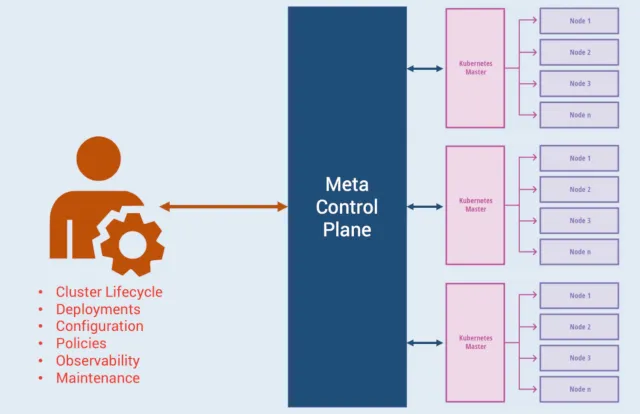 Google Anthos from the Eyes of a Kubernetes DeveloperThenewstack
 Security Considerations for API-Driven Apps Deployed to CloudThenewstack
 AWS Enterprise Container Management with PulumiPulumi
 Supporting Kubernetes with Faster, Easier Test EnvironmentsPulumi
 Neo Integrations: MCP Servers and Cloud CLIsPulumi
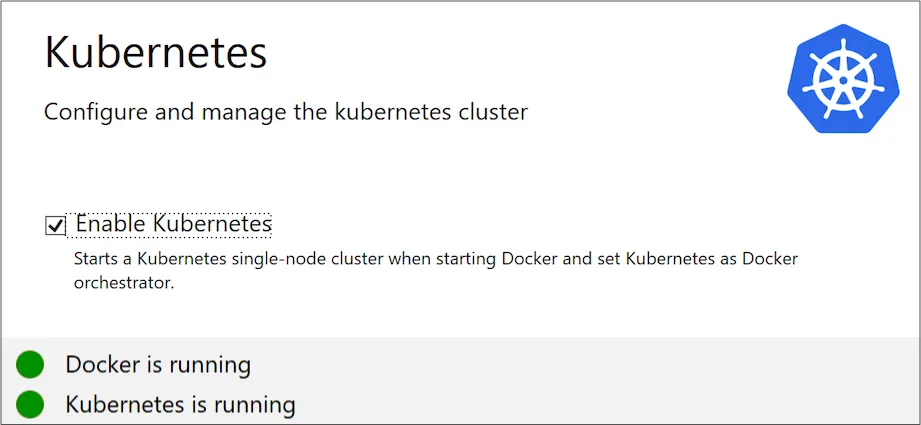 Docker for Windows Desktop with KubernetesDocker
 ArchitectureOpentelemetry
.NET zero-code instrumentationOpentelemetry
ArchitectureOpentelemetry
.NET zero-code instrumentationOpentelemetry
 Siloscape: Windows Malware That Breaks KubernetesThenewstack
 Collecting Metrics Using StatsD, a Standard for Real-Time MonitoringThenewstack
 Breakdown: The Kubernetes-Run AI Video Generation Pipeline for NIUS.TVThenewstack
