
DASH: How to evaluate Kubernetes-native databases
Unless you choose a Kubernetes-native database, you will fall short of the orchestration magic it renders possible.

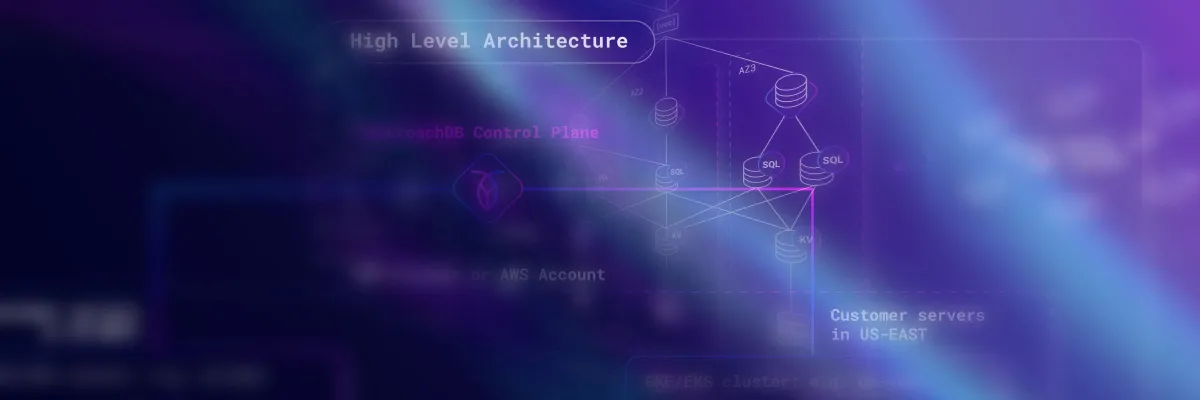 How CockroachDB operates serverless clusters with KubernetesCockroachlabs
 City Storage Systems: CockroachDB on Kubernetes at global scaleCockroachlabs
 Telecom provider replaces Amazon Aurora with CockroachDBCockroachlabs
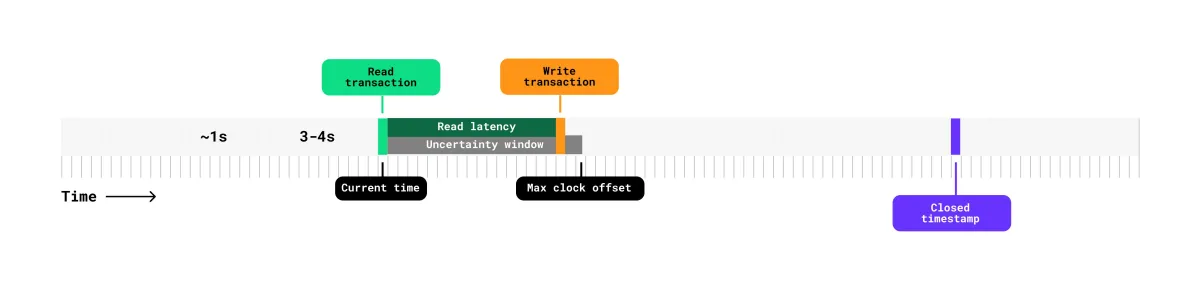 How to optimize write latency for global tables in CockroachDBCockroachlabs
 Online Recommendation Engines with CockroachDBCockroachlabs
 How Tweeq Built a Digital Banking Platform using Go, CockroachDB & Oracle CloudCockroachlabs
 Mintlify Alternatives: What to Consider (and Why There's No True Substitute)Mintlify
 Happy National Native American Heritage Month! - Deepgram Blog ⚡️Deepgram
 Local Kubernetes Development Using Minikube and Redis EnterpriseRedis
 How Argo CD and OpenShift Enable GitOps for DevelopersThenewstack
 This Week in Programming: Who's Headed to KubeCon?Thenewstack
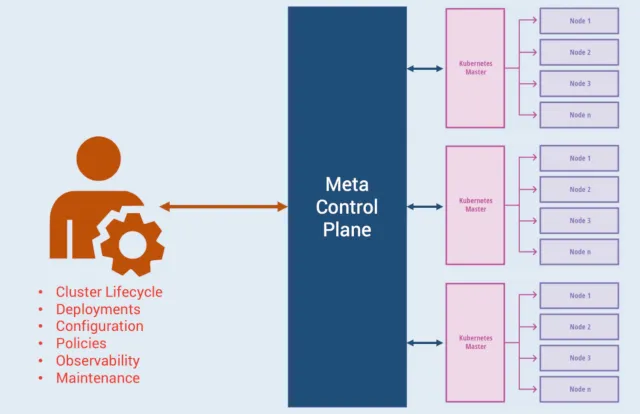 Google Anthos from the Eyes of a Kubernetes DeveloperThenewstack
 Puppet’s New Mission: Automating Cloud Native InfrastructureThenewstack
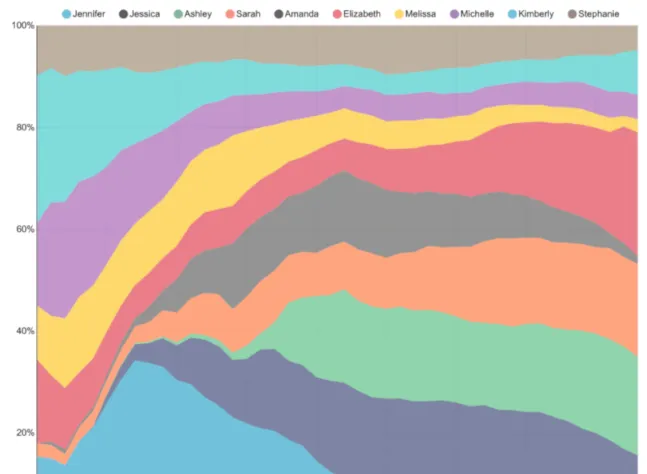 Explore and Visualize Data the Apache Superset WayThenewstack
 Security Considerations for API-Driven Apps Deployed to CloudThenewstack
 Pulumi ESC and External Secrets Operator: The Perfect Solution for TodayPulumi
 AWS Enterprise Container Management with PulumiPulumi
 Supporting Kubernetes with Faster, Easier Test EnvironmentsPulumi
 Neo Integrations: MCP Servers and Cloud CLIsPulumi
 The Serverless Backend for Analytics: Introducing MotherDuck’s Native Integration on VercelMotherduck
