
Geo-partitioning: What global data actually looks like
With geo-partitioning, you can control which nodes house data with row-level granularity, thereby reducing latency and improving user experience.

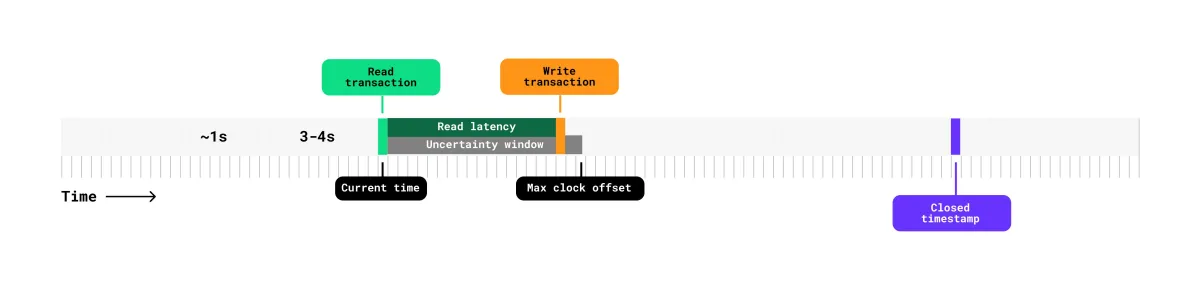 How to optimize write latency for global tables in CockroachDBCockroachlabs
 City Storage Systems: CockroachDB on Kubernetes at global scaleCockroachlabs
 Super regions: Safe and simple multi-region data domicilingCockroachlabs
 What is a data pipeline, and how do you build one?Cockroachlabs
 Telecom provider replaces Amazon Aurora with CockroachDBCockroachlabs
 Online Recommendation Engines with CockroachDBCockroachlabs
 Cloud Security Trends & Challenges: Complete GuideCybersecurity Exchange
 How we grew Mintlify by doing things that don't scaleMintlify
 State of Speech: Our New Data Report Reveals ASR’s Untapped Potential - Deepgram Blog ⚡️Deepgram
 Build a Presentation Coaching Application with Recall - Deepgram Blog ⚡️Deepgram
 The Most Important Work in AI Training Is Also the Most Overlooked - Deepgram Blog ⚡️Deepgram
 Data Ingestion: 6 Ways to Speed Up Your ApplicationRedis
 5 ways to automate Browse AIZapier
 How to connect Google Sheets to NotionZapier
 Pancakes Are Delicious and Data Centers Are for Free StuffThenewstack
 Explore and Visualize Data the Apache Superset WayThenewstack
 Neo Integrations: MCP Servers and Cloud CLIsPulumi
 Go Concurrency Patterns: Pipelines and cancellation - The Go Programming LanguageGo
 Data connections - FeaturesJetbrains
 How a top tier European soccer team sped up their data processing and reduced costs by 50%Modal
