
Blogs
MCP security risks: How to build SIEM detection rules
Learn how to build detection rules that identify failed permissions, excessive tool calls, and other high-risk behavior in MCP server interactions.
 Cloud Security Trends & Challenges: Complete GuideCybersecurity Exchange
 A Guide to Extended Threat Detection and Response: What It Is and How to Choose the Best SolutionsCybersecurity Exchange
 Security Implementation for Responsible AI: A Practical FrameworkCybersecurity Exchange
 Publish changes - MintlifyMintlify
 How we grew Mintlify by doing things that don't scaleMintlify
 Mintlify Alternatives: What to Consider (and Why There's No True Substitute)Mintlify
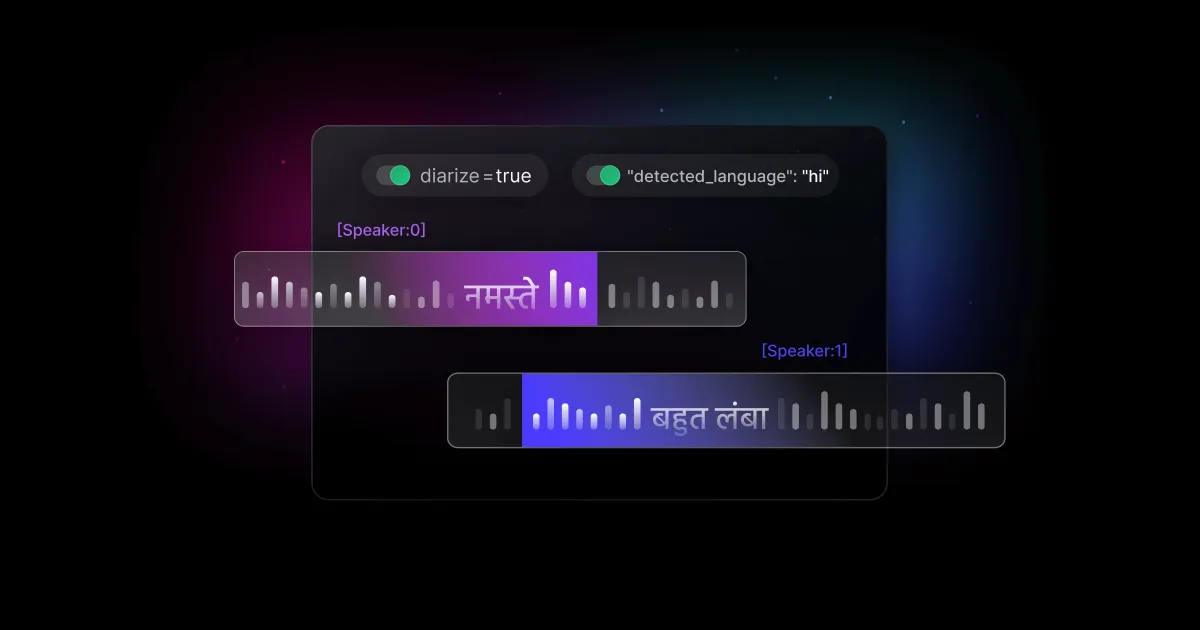 Trained on 100,000+ Voices: Deepgram Unveils Next-Gen Speaker Diarization and Language DetectionDeepgram
 Build a Presentation Coaching Application with Recall - Deepgram Blog ⚡️Deepgram
 How to Conduct an AI Agent Security Audit [+ Checklist]Zapier
 WooCommerce: App spotlightZapier
 From Automation Veteran to AI Pioneer: How Evan Nison transformed his agency with Zapier MCPZapier
 Grafana Is Not Worried About AWS CommercializationThenewstack
 DevSecOps: Why Security Shouldn’t be Sacrificed for SpeedThenewstack
 Security Considerations for API-Driven Apps Deployed to CloudThenewstack