
Blogs
We’re expanding DeepL’s data infrastructure
We’re expanding DeepL’s data infrastructure – here’s what’s changing and why Global scale and performance require global data infrastructure. We are expanding DeepL’s data infrastructure and adding AWS as a sub-processor, to align with DeepL’s growth and deliver the performance all of our customers expect. We know this raises important questions about customer data, where it’s stored and how it’s controlled. This up…
 BlogsReal-time, voice-to-voice translation is here, and it’s ready to transform global businessDeepL
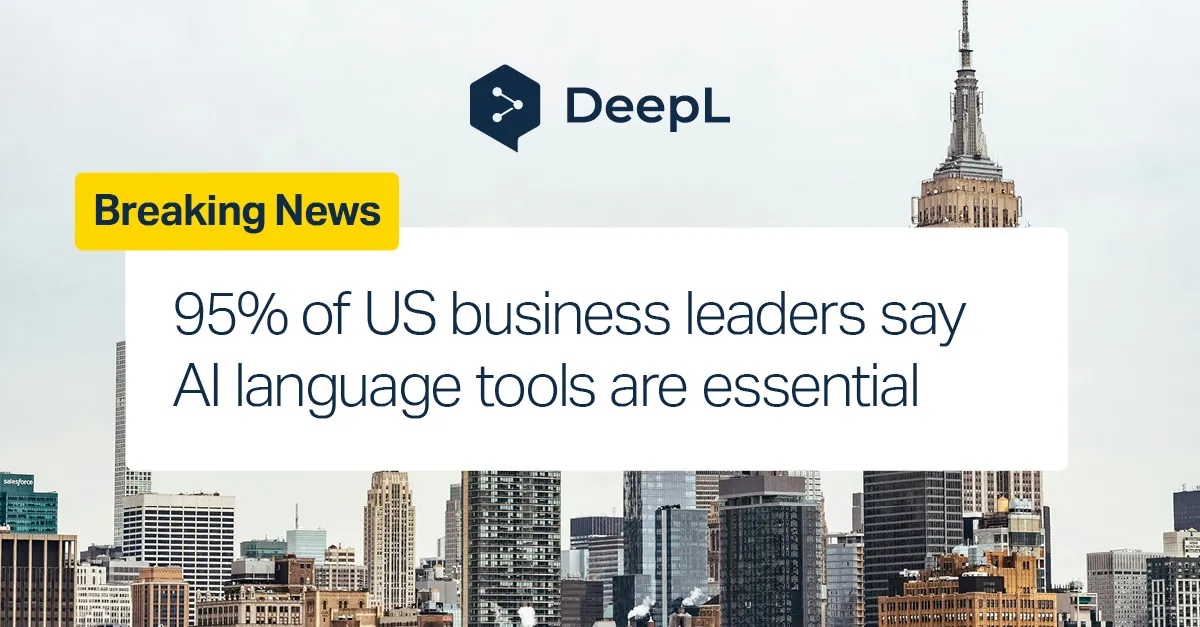 Blogs95% of US executives believe Language AI is essential for global business successDeepL
 BlogsBreaking language barriers: how AI is transforming global communicationDeepL
 BlogsBuilding for Europe’s sovereignty needsDeepL
 BlogsDeepL Pro expands global reach to 165 new marketsDeepL
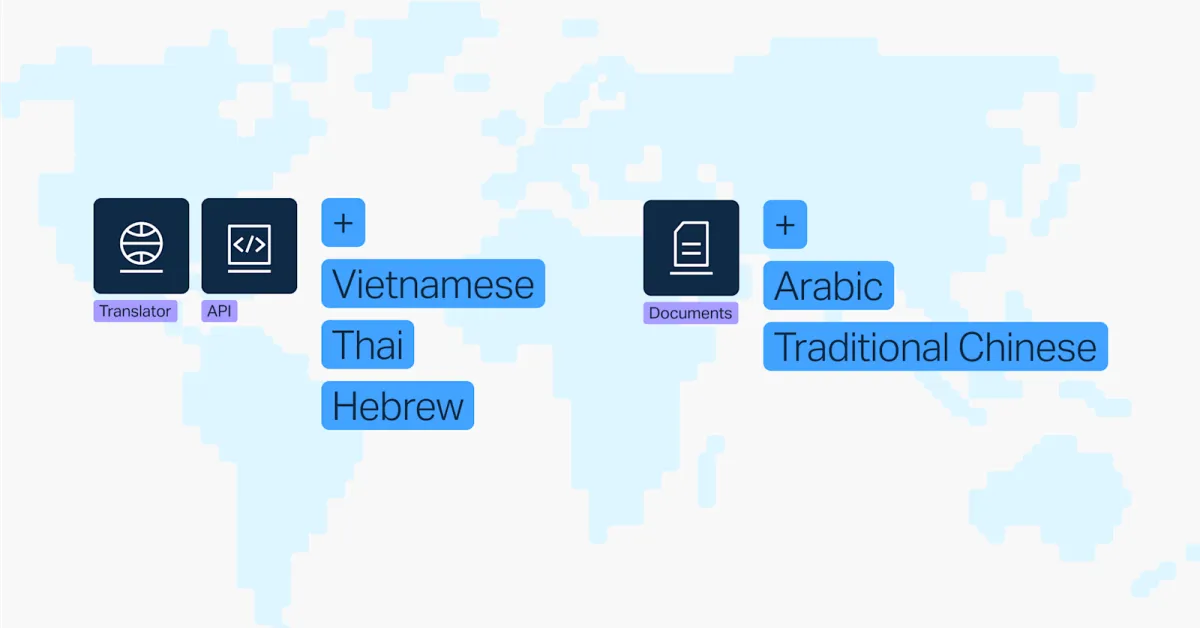 BlogsDeepL supports Vietnamese, Thai, and Hebrew in another blow to language barriersDeepL
 EventsCloud Security Trends & Challenges: Complete GuideCybersecurity Exchange
BlogsEnhancements to Honeycomb Telemetry Pipeline Deliver Greater Visibility, Smarter Control, and LowerHoneycomb
BlogsUnleash SaaS Data With the Webhookevent ReceiverHoneycomb
BlogsObservability Without Tradeoffs: Introducing Powerful New Honeycomb Telemetry Pipeline FeaturesHoneycomb
BlogsHoneycomb Acquires Grit and Expands Leadership Team to Accelerate Customer Value and EnterpriseHoneycomb
BlogsMCP Safety Cheatsheet - NeonNeon
BlogsRun Product Analytics on Your Neon Data Using Fabi.ai - NeonNeon
BlogsWhere Agents Meet Infrastructure: Encore, Leap, and Neon - NeonNeon
BlogsHow to use Zapier search stepsZapier
BlogsHow to automatically save Jotform responses in Google SheetsZapier
BlogsThe 11 best data enrichment tools in 2026Zapier
ResearchCritical Learning Periods: Leveraging Early training Dynamics for Efficient Data PruningCohere
ResearchThe Art of Asking: Multilingual Prompt Optimization for Synthetic DataCohere
ResearchFrom One to Many: Expanding the Scope of Toxicity Mitigation in Language ModelsCohere
EventsCloud Security Trends & Challenges: Complete GuideCybersecurity Exchange
BlogsEnhancements to Honeycomb Telemetry Pipeline Deliver Greater Visibility, Smarter Control, and LowerHoneycomb
BlogsUnleash SaaS Data With the Webhookevent ReceiverHoneycomb
BlogsObservability Without Tradeoffs: Introducing Powerful New Honeycomb Telemetry Pipeline FeaturesHoneycomb
BlogsHoneycomb Acquires Grit and Expands Leadership Team to Accelerate Customer Value and EnterpriseHoneycomb
BlogsMCP Safety Cheatsheet - NeonNeon
BlogsRun Product Analytics on Your Neon Data Using Fabi.ai - NeonNeon
BlogsWhere Agents Meet Infrastructure: Encore, Leap, and Neon - NeonNeon
BlogsHow to use Zapier search stepsZapier
BlogsHow to automatically save Jotform responses in Google SheetsZapier
BlogsThe 11 best data enrichment tools in 2026Zapier
ResearchCritical Learning Periods: Leveraging Early training Dynamics for Efficient Data PruningCohere
ResearchThe Art of Asking: Multilingual Prompt Optimization for Synthetic DataCohere
ResearchFrom One to Many: Expanding the Scope of Toxicity Mitigation in Language ModelsCohere