
Introducing Autotrack for analytics.js
The web has changed a lot since the early days of Google Analytics. Back then, most websites actually consisted of individual pages, and moving from one page to the next involved clicking a link and making a full-page request. With sites like this, it's possible to track the majority of relevant user interactions with a single, one-size-fits-all JavaScript tracking snippet.

 Introducing gRPC, a new open source HTTP/2 RPC Frameworkdevelopers.googleblog.com
Smaller Fonts with WOFF 2.0 and unicode-rangedevelopers.googleblog.com
Introducing gRPC, a new open source HTTP/2 RPC Frameworkdevelopers.googleblog.com
Smaller Fonts with WOFF 2.0 and unicode-rangedevelopers.googleblog.com
 1,000 Chrome Experiments and counting...developers.googleblog.com
Reminder to migrate to OAuth 2.0 or OpenID Connectdevelopers.googleblog.com
1,000 Chrome Experiments and counting...developers.googleblog.com
Reminder to migrate to OAuth 2.0 or OpenID Connectdevelopers.googleblog.com
 LiteRT.js, Google's high performance Web AI Inferencedevelopers.googleblog.com
 Introducing new APIs to improve augmented reality development with ARCoredevelopers.googleblog.com
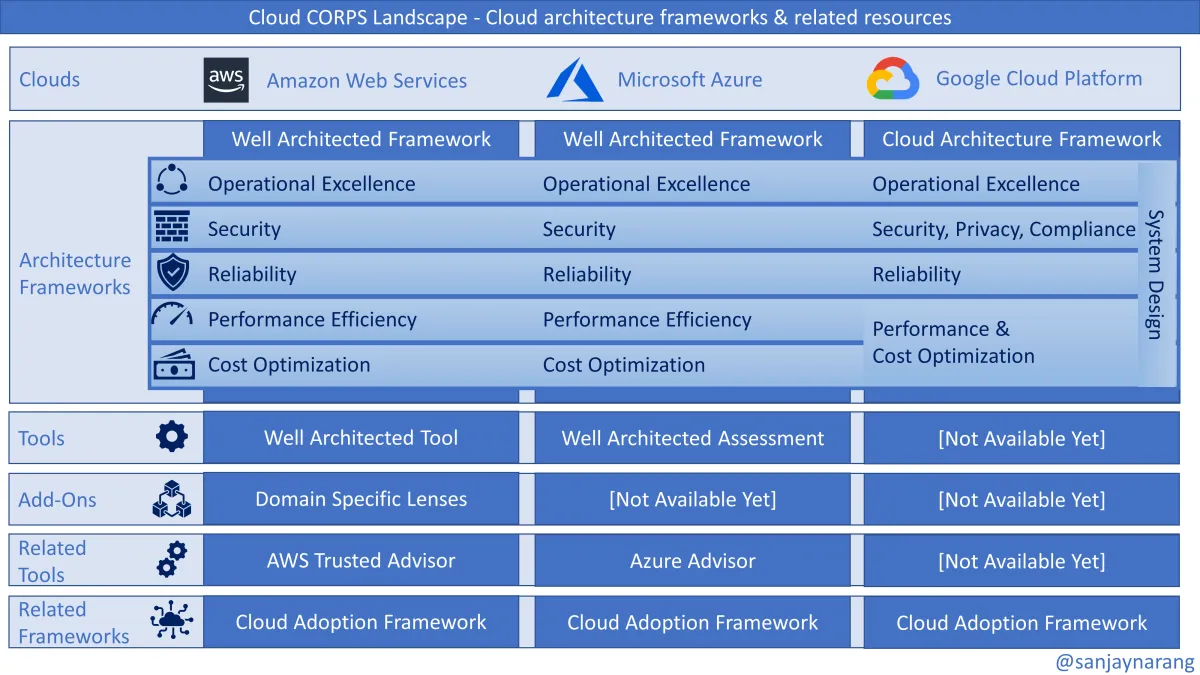 Introducing CORPS: The 5 Pillars for a Robust Cloud Architecture FrameworkThenewstack
 Introducing New Slimmer Docker ImagesPulumi
 Introducing: H100s on ModalModal
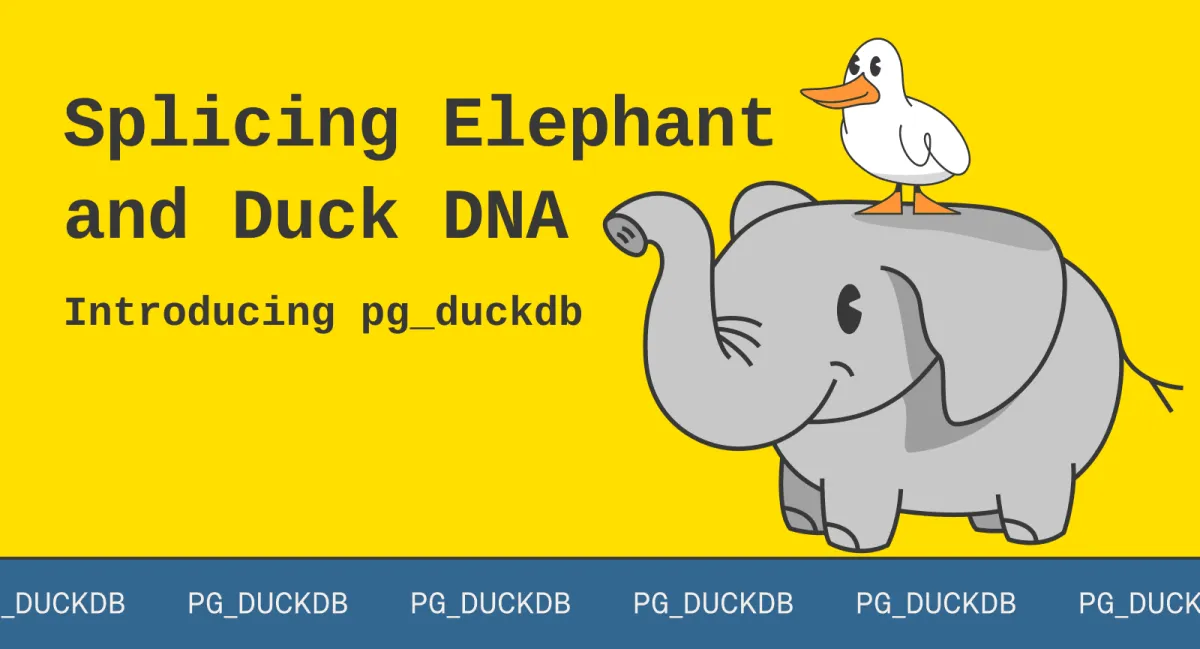 pg_duckdb: Splicing Duck and Elephant DNAMotherduck
 The Serverless Backend for Analytics: Introducing MotherDuck’s Native Integration on VercelMotherduck
 PostgreSQL and Ducks: The Perfect Analytical PairingMotherduck
 SQL is Dead, Long Live SQL: Engineering a Reliable Analytics Agent from ScratchMotherduck
 Introducing DocChat: GPT-4 Level Conversational QA Trained In a Few Hours - CerebrasCerebras
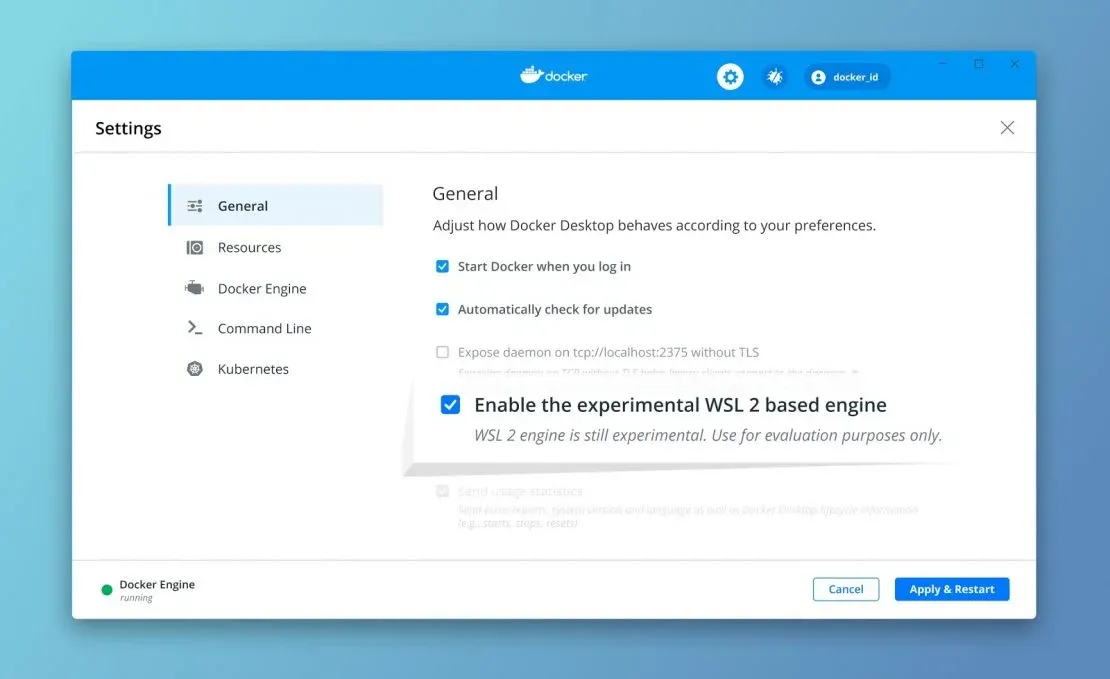 Introducing the Docker Desktop WSL 2 BackendDocker
 Bringing More Power To Edge Rules! Introducing Variable ExpansionBunny
 Using Web AnalyticsVercel
 Export analytics to CSV - MintlifyMintlify
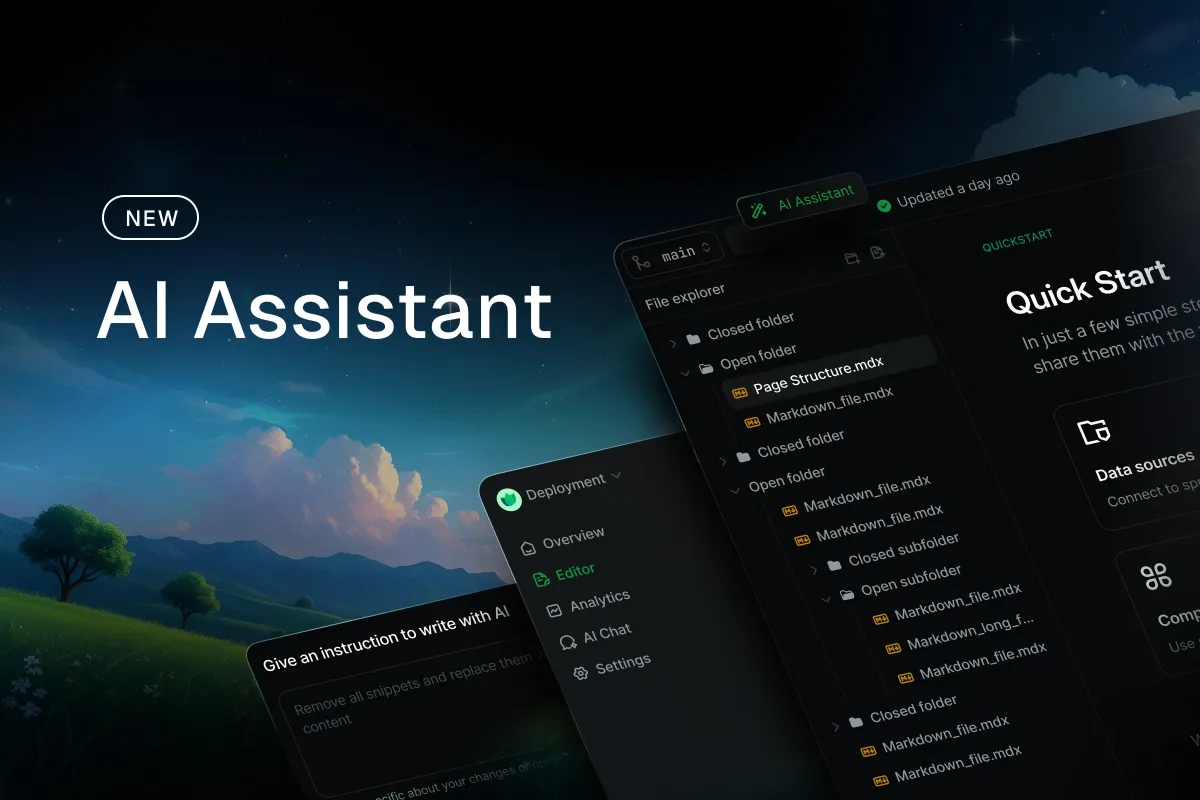 Introducing AI AssistantMintlify
 Introducing Dependency Divergence GitHub ActionSocket
