
Why Observability Requires a Distributed Column Store
Alex explains distributed column stores, how they work, why they're so fast, and why that's a fundamental requirement for observability.
 10 best AI observability tools for monitoring and evaluating agents in 2026Mintlify
 WooCommerce: App spotlightZapier
 Oso Unbundles Security AuthorizationThenewstack
 Managing dependencies - The Go Programming LanguageGo
 What is a Load/Store Unit?Modal
 ArchitectureOpentelemetry
 Zapier Tables: Take action on your data automaticallyZapier
 Modal Clusters are generally availableModal
 What Is an MCP Server (Model Context Protocol Server)?Datadoghq
What is OCSF and How Do You Implement It?Datadoghq
What Is an MCP Server (Model Context Protocol Server)?Datadoghq
What is OCSF and How Do You Implement It?Datadoghq
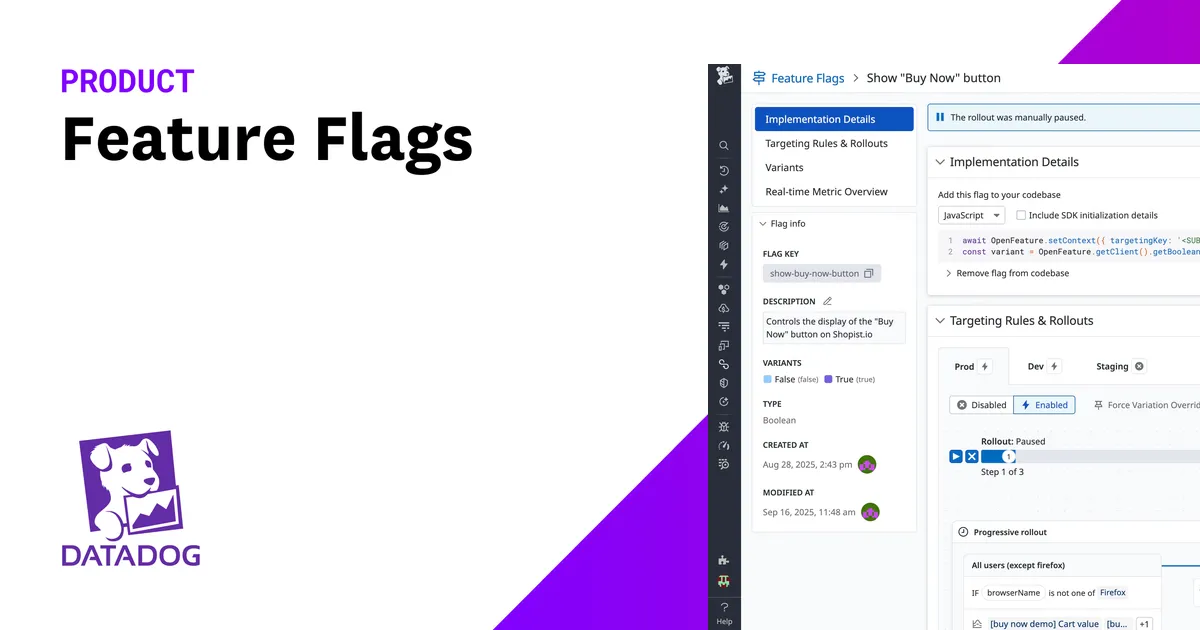 Feature FlagsDatadoghq
 Webinar: Migrate from Legacy Platforms to Datadog with AeginDatadoghq
 Magic Containers - bunny.net DocumentationBunny
 vercel projectVercel
