
“Escaping” Next.js to access the browser
Sometimes you need what’s called an “escape hatch” to access certain browser properties and methods in a Next.js application.

 How to use split tests to give users access to private featuresNetlify
 5 things to consider when choosing your APIs for JamstackNetlify
 Take the State of the JAMstack Survey - JAMstack CommunityNetlify
Creating and using your first Netlify Build PluginNetlify
How to Use GraphQL with Vue Apollo Components and Netlify FunctionsNetlify
Take the State of the JAMstack Survey - JAMstack CommunityNetlify
Creating and using your first Netlify Build PluginNetlify
How to Use GraphQL with Vue Apollo Components and Netlify FunctionsNetlify
 Announcing Headless Commerce Summit 2021, hosted by NetlifyNetlify
 Trigger automation - MintlifyMintlify
 Trained on 100,000+ Voices: Deepgram Unveils Next-Gen Speaker Diarization and Language DetectionDeepgram
 Q&A with Deepgram’s New CPO, Ed AnuffDeepgram
 Intel Unveils Next Generation Neuromorphic Computing ChipThenewstack
 IaC Best Practices: Implementing RBAC and SecurityPulumi
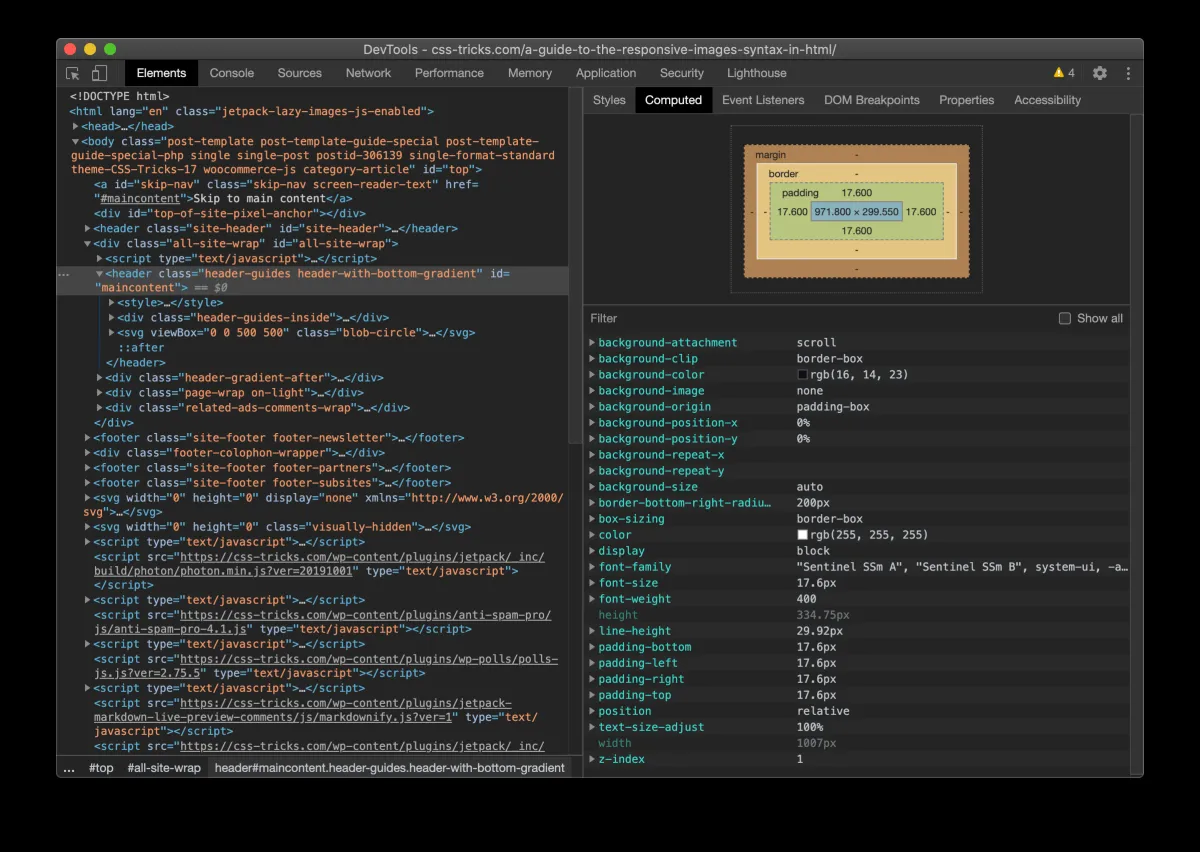 Computed Values: More Than Meets the EyeCss Tricks
 Creating an AI Summary App with Next.js | Vercel AcademyVercel
 Config and Secret environment variablesVercel
 AGENTS.md outperforms skills in our agent evalsVercel
 Using Web AnalyticsVercel
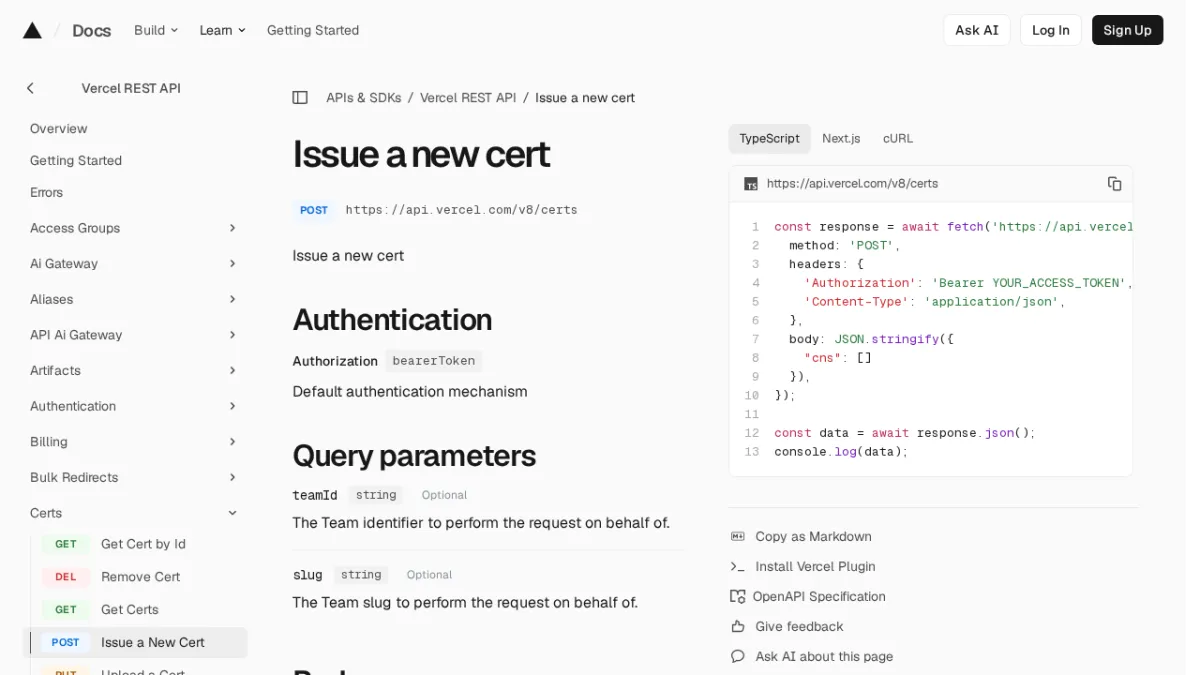 Issue a new certVercel
 Today We Start the Next Chapter of the Voice AI EconomyDeepgram
 Configure OBI routes decoratorOpentelemetry
 Twitch Browser Extension Exposes 30,000 Users’ OAuth Tokens to Russian Bot ServiceSocket
