
We’ve found that self-play allows simulated AIs to discover physical skills like tackling, ducking, faking, kicking, catching, and diving for the ball, without explicitly designing an environment with these skills in mind. Self-play ensures that the environment is always the right difficulty for an AI to improve.
Recommended
Building self-improving tax agents with CodexOpenai Operation "Doppelganger": Russian influence activity targeting UkraineOpenai Everyday work with ChatGPT WorkOpenai Romance scams: AI-enabled romance scam workflowsOpenai Will Hurd joins OpenAI’s board of directorsOpenai Statement from the OpenAI Board of Directors on the Nonprofit Commission ReportOpenai How we grew Mintlify by doing things that don't scaleMintlify
 The Language of LGBTQ Inclusion and Allyship - Deepgram Blog ⚡️Deepgram
 Let’s Play Master and Servant: Real Time Synchronization Tool for Redis MigrationRedis
 Transform and Future-Proof Your Architecture with MACHThenewstack
 How to Use Voice to Control Music with Python and Deepgram - Deepgram Blog ⚡️Deepgram
 Dynamic Data Capture Sets the Stage for Extreme PersonalizationThenewstack
 Introducing the Go Playground - The Go Programming LanguageGo
 nference Accelerates Self-Supervised Language Model Training with Cerebras CS-2 System - CerebrasCerebras
 Static export - MintlifyMintlify
 Competitive prompt engineeringModal
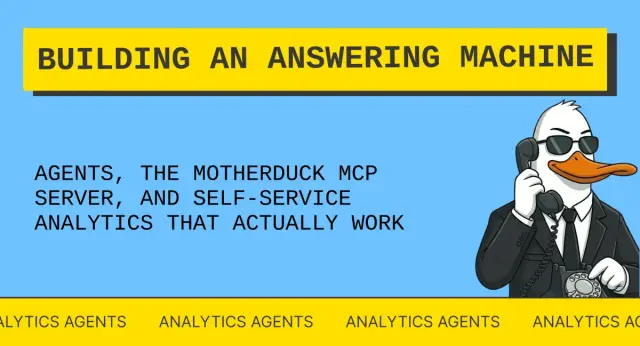 Building an answering machineMotherduck
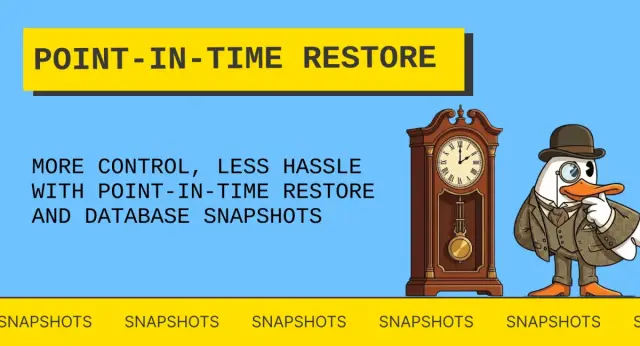 More Control, Less Hassle: Self-Serve Recovery with Point-in-Time RestoreMotherduck
 GitOps policy-as-code: Securing Kubernetes with Argo CD and KyvernoCncf
 Self-hosted GitLab OAuth - MintlifyMintlify