
We show that the double descent phenomenon occurs in CNNs, ResNets, and transformers: performance first improves, then gets worse, and then improves again with increasing model size, data size, or training time. This effect is often avoided through careful regularization.
Recommended
Operation "Doppelganger": Russian influence activity targeting UkraineOpenai Everyday work with ChatGPT WorkOpenai Romance scams: AI-enabled romance scam workflowsOpenai Will Hurd joins OpenAI’s board of directorsOpenai Statement from the OpenAI Board of Directors on the Nonprofit Commission ReportOpenai Simplifying, stabilizing, and scaling continuous-time consistency modelsOpenai From Hawking to Siri: The Evolution of Speech SynthesisDeepgram
 Breakdown: The Kubernetes-Run AI Video Generation Pipeline for NIUS.TVThenewstack
 Neal.fun | CSS-TricksCss Tricks
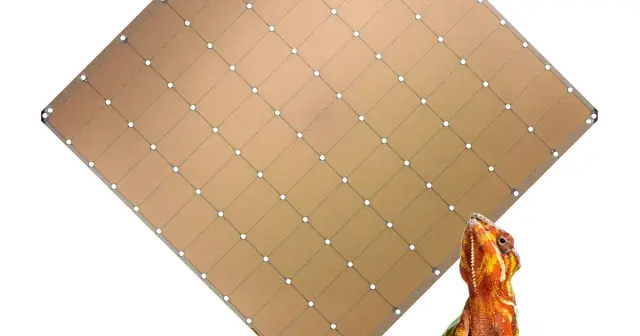 Cerebras Architecture Deep Dive: First Look Inside the HW/SW Co-Design for Deep Learning [Updated]Cerebras
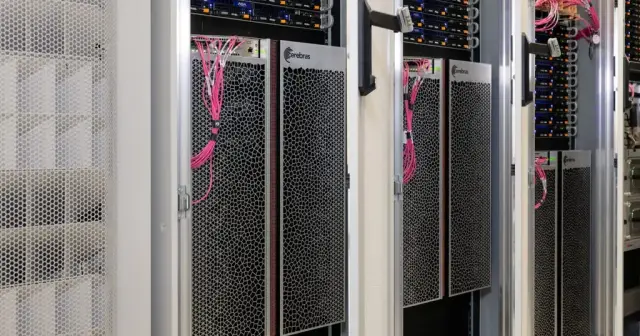 Cirrascale Cloud Services® and Cerebras Systems Announce Availability of Cerebras Cloud @ CirrascaleCerebras
 How to Get a Job in Deep Learning - Deepgram Blog ⚡️Deepgram
 Flux Multilingual Technical Deep Dive: Multilingual Speech-to-Text Without the Routing MessDeepgram
 Why Deep Learning is the Best Approach for Speech Recognition - Deepgram Blog ⚡️Deepgram
 Real-world Cyber Attacks Targeting Data Science ToolsAquasec
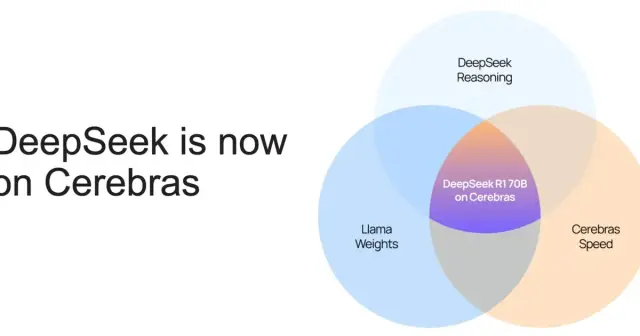 Cerebras Launches World Fastest DeepSeek R1 Llama-70B Inference - CerebrasCerebras
 Andrew Becherer Joins Socket as Chief Information Security OfficerSocket
 RocketCDN Partners with Bunny.net to Power 12,000+ WebsitesBunny
 KubeCon + CloudNativeCon Europe 2026 Co-located Event Deep Dive: Open Source SecurityConCncf
 How AI helps MarvinAssemblyai