
We’ve fine-tuned the 774M parameter GPT-2 language model using human feedback for various tasks, successfully matching the preferences of the external human labelers, though those preferences did not always match our own. Specifically, for summarization tasks the labelers preferred sentences copied wholesale from the input (we’d only asked them to ensure accuracy), so our models learned to copy.
Recommended
Making it easier for websites to express AI training preferencesOpenai Introducing new capabilities to GPT-RosalindOpenai The builder’s guide to GPT‑5.6Openai GPT-4V(ision) system cardOpenai GPT-6.1 Sol helps CodeRabbit strengthen security across complex codebasesOpenai Credit Saison achieves 954% ROI in a ChatGPT Enterprise pilotOpenai 10 best AI observability tools for monitoring and evaluating agents in 2026Mintlify
 Lessons Swift Designer Chris Lattner Has Learned about LeadershipThenewstack
 How Ramp automated receipt processing with fine-tuned LLMsModal
 Revolutionizing Life Science and Healthcare with Generative AI - CerebrasCerebras
 Introducing DocChat: GPT-4 Level Conversational QA Trained In a Few Hours - CerebrasCerebras
 Simulating Human Behavior with Cerebras - CerebrasCerebras
 Accelerating GPT-5.6 Sol UltrafastCerebras
 Beating proprietary models with a quick fine-tuneModal
 How we fine-tuned Llama2-70B to pass the US Medical License Exam in a weekCerebras
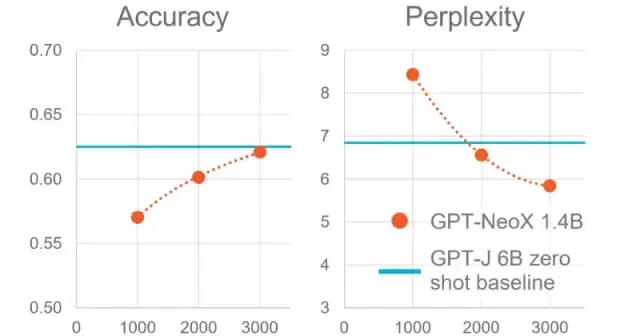 Fine-Tuning with Cerebras AI Model Studio Launchpad - CerebrasCerebras
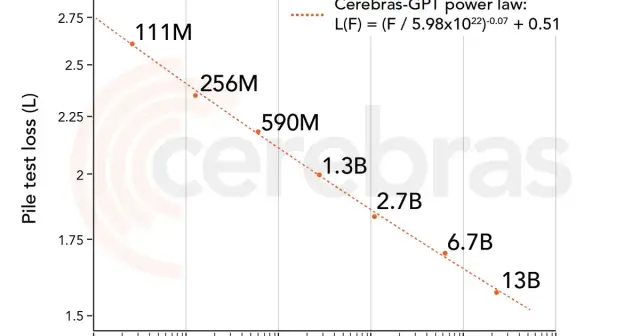 Cerebras-GPT: A Family of Open, Compute-efficient, Large Language Models - CerebrasCerebras
 How to structure documentation for both AI and human readersMintlify
 Scaling Up and Out: Training Massive Models on Cerebras Systems using Weight Streaming - CerebrasCerebras
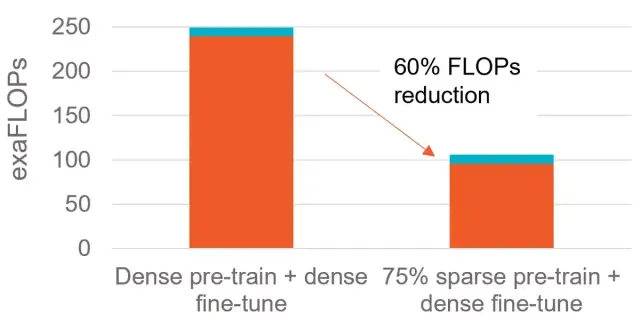 Accelerating Large GPT Training with Sparse Pre-Training and Dense Fine-Tuning [Updated] - CerebrasCerebras