
We’ve discovered that the gradient noise scale, a simple statistical metric, predicts the parallelizability of neural network training on a wide range of tasks. Since complex tasks tend to have noisier gradients, increasingly large batch sizes are likely to become useful in the future, removing one potential limit to further growth of AI systems.
Recommended
Making it easier for websites to express AI training preferencesOpenai Credit Saison achieves 954% ROI in a ChatGPT Enterprise pilotOpenai Community safety report and new protections for teensOpenai Operation "Doppelganger": Russian influence activity targeting UkraineOpenai Everyday work with ChatGPT WorkOpenai Romance scams: AI-enabled romance scam workflowsOpenai The Most Important Work in AI Training Is Also the Most Overlooked - Deepgram Blog ⚡️Deepgram
 How to implement AI training for employeesZapier
 AI frameworks: Definition, types, and how to chooseZapier
 Interactive Training Videos (+ How to Create One with AI)Synthesia
 How Beyond Retro scaled its retail operations trainingSynthesia
 How to Create an Online Training CourseSynthesia
 How Mondelez Accelerates Supply Chain Training Across 150+ Global Manufacturing PlantsSynthesia
 Training: Hard Work Pays off for Data/AI ProsThenewstack
 Modal Clusters are generally availableModal
 How sync. uses Modal to lipsync 100 hours of video a dayModal
 The Cerebras AI Model Studio brings Wafer-Scale Cluster Acceleration to the Cloud - CerebrasCerebras
 nference Accelerates Self-Supervised Language Model Training with Cerebras CS-2 System - CerebrasCerebras
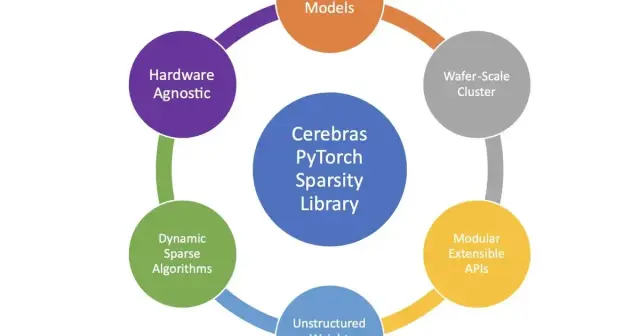 Sparsity Made EasyCerebras
 What Is Generative AI & Its Uses TodayHeygen