OpenAI introduces a real-world evaluation framework to measure how AI can accelerate biological research in the wet lab. Using GPT-5 to optimize a molecular cloning protocol, the work explores both the promise and risks of AI-assisted experimentation.
Recommended
Using thousands of AI agents to uncover new leads in biological dataOpenai Credit Saison achieves 954% ROI in a ChatGPT Enterprise pilotOpenai Making it easier for websites to express AI training preferencesOpenai Community safety report and new protections for teensOpenai Operation "Doppelganger": Russian influence activity targeting UkraineOpenai Everyday work with ChatGPT WorkOpenai Intel Unveils Next Generation Neuromorphic Computing ChipThenewstack
 Announcing the New Pulumi Partner ProgramPulumi
 Cerebras Systems Enables GPU-Impossible™ Long Sequence Lengths Improving Accuracy in NaturalCerebras
 How to Use Google NotebookLM: The AI-Powered Research AssistantHeygen
 Using instrumentation librariesOpentelemetry
 How Sky Italia Digitizes Learning Paths to Accelerate New Product Launches by 4xSynthesia
 Linux Foundation: Why Open Source Needs Research NowThenewstack
 Multi-token Residual PredictionModal
 How sync. uses Modal to lipsync 100 hours of video a dayModal
 State of DevSecOpsDatadoghq
 State of Cloud SecurityDatadoghq
 Cost-Based Hybrid Query Optimization in MotherDuck - MotherDuck Research PapersMotherduck
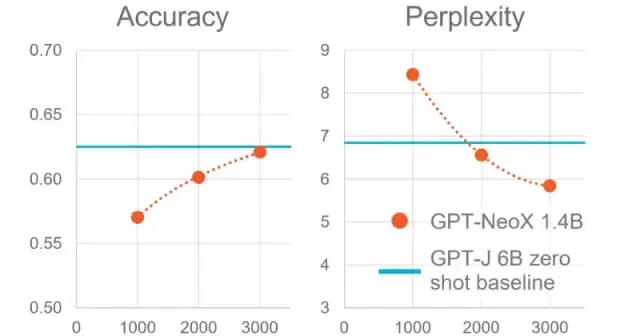 Fine-Tuning with Cerebras AI Model Studio Launchpad - CerebrasCerebras
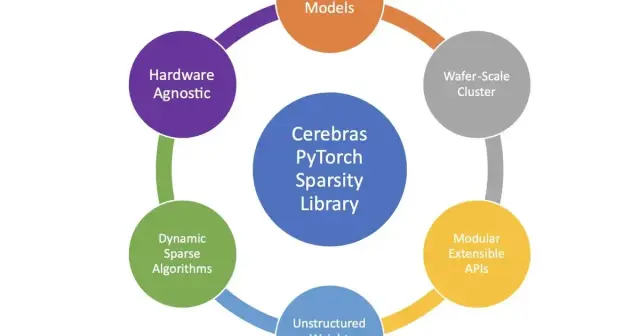 Sparsity Made EasyCerebras