
We show that for the task of simulated robot wrestling, a meta-learning agent can learn to quickly defeat a stronger non-meta-learning agent, and also show that the meta-learning agent can adapt to physical malfunction.
Recommended
Operation "Doppelganger": Russian influence activity targeting UkraineOpenai Everyday work with ChatGPT WorkOpenai Romance scams: AI-enabled romance scam workflowsOpenai Will Hurd joins OpenAI’s board of directorsOpenai Statement from the OpenAI Board of Directors on the Nonprofit Commission ReportOpenai Simplifying, stabilizing, and scaling continuous-time consistency modelsOpenai An Introduction to Redis-ML. Part OneRedis
 Lessons Swift Designer Chris Lattner Has Learned about LeadershipThenewstack
 Summer Data Engineering RoadmapMotherduck
 Meta AI Video Generator's ImpactHeygen
 How To Create and Use Avatars in eLearningHeygen
 From Hawking to Siri: The Evolution of Speech SynthesisDeepgram
 How Sky Italia Digitizes Learning Paths to Accelerate New Product Launches by 4xSynthesia
 How EPOS achieved a 90% learning completition rate with AI video.Synthesia
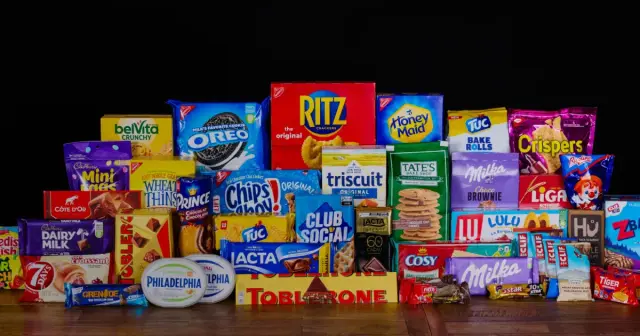 How Mondelez Accelerates Supply Chain Training Across 150+ Global Manufacturing PlantsSynthesia
 Training: Hard Work Pays off for Data/AI ProsThenewstack
 Breakdown: The Kubernetes-Run AI Video Generation Pipeline for NIUS.TVThenewstack
 Cerebras, Petuum, and MBZUAI Announce New Open-Source CrystalCoder and LLM360 Methodology toCerebras
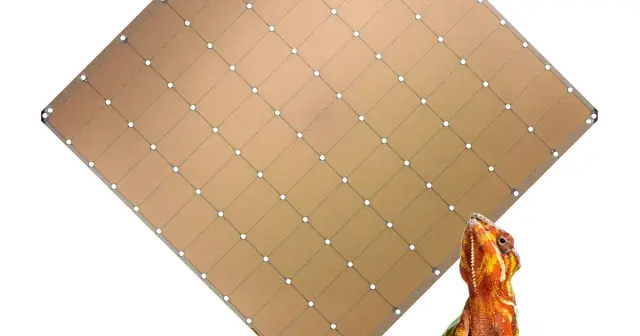 Cerebras Architecture Deep Dive: First Look Inside the HW/SW Co-Design for Deep Learning [Updated]Cerebras
 Cirrascale Cloud Services® and Cerebras Systems Announce Availability of Cerebras Cloud @ CirrascaleCerebras