
We’ve co-authored a paper that forecasts how malicious actors could misuse AI technology, and potential ways we can prevent and mitigate these threats. This paper is the outcome of almost a year of sustained work with our colleagues at the Future of Humanity Institute, the Centre for the Study of Existential Risk, the Center for a New American Security, the Electronic Frontier Foundation, and others.
Recommended
How an astrophysicist uses Codex to help simulate black holesOpenai Operation "Doppelganger": Russian influence activity targeting UkraineOpenai Everyday work with ChatGPT WorkOpenai Romance scams: AI-enabled romance scam workflowsOpenai Will Hurd joins OpenAI’s board of directorsOpenai Statement from the OpenAI Board of Directors on the Nonprofit Commission ReportOpenai How CoverDoc uses AI to revolutionize cover letter writingZapier
 From Automation Veteran to AI Pioneer: How Evan Nison transformed his agency with Zapier MCPZapier
 Supporting Kubernetes with Faster, Easier Test EnvironmentsPulumi
 Managing dependencies - The Go Programming LanguageGo
Module version numbering - The Go Programming LanguageGo
 How Ramp automated receipt processing with fine-tuned LLMsModal
 Practical Uses for AI in Your Data WorkflowsMotherduck
 How Basecamp Uses Basecamp 3 to Manage Team Projects and Simplify CommunicationZapier
 How the Georgia Innocence Project uses automation to keep all its systems runningZapier
 upm Launches as a Fast, Tiny Package Manager Written in TypeScriptSocket
 GlassWorm Loader Hits Open VSX via Developer Account CompromiseSocket
 How sync. uses Modal to lipsync 100 hours of video a dayModal
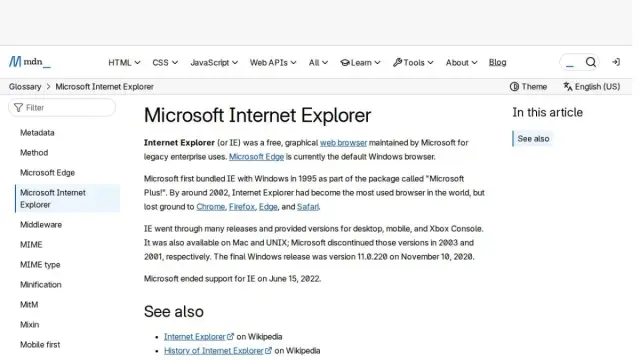 Microsoft Internet Explorer - GlossaryDeveloper Mozilla
 What Is Generative AI & Its Uses TodayHeygen