
We’ve scaled Kubernetes clusters to 7,500 nodes, producing a scalable infrastructure for large models like GPT-3, CLIP, and DALL·E, but also for rapid small-scale iterative research such as Scaling Laws for Neural Language Models.
Recommended
Simplifying, stabilizing, and scaling continuous-time consistency modelsOpenai Rapidly scaling online storage to serve over 1 billion ChatGPT users (Part II)Openai Fair use benefits everyoneOpenai
Credit Saison achieves 954% ROI in a ChatGPT Enterprise pilotOpenai
Making it easier for websites to express AI training preferencesOpenai
Community safety report and new protections for teensOpenai
 Local Kubernetes Development Using Minikube and Redis EnterpriseRedis
 WooCommerce: App spotlightZapier
 How Argo CD and OpenShift Enable GitOps for DevelopersThenewstack
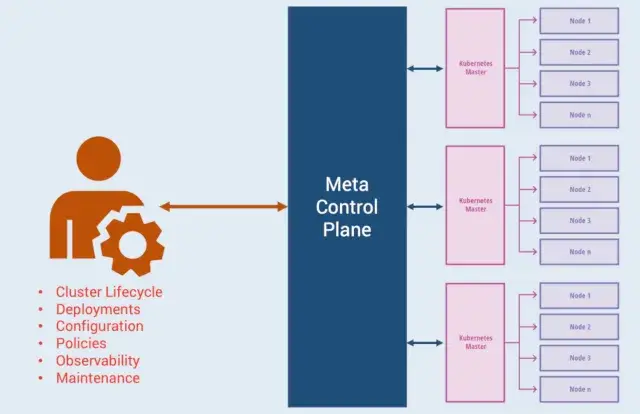 Google Anthos from the Eyes of a Kubernetes DeveloperThenewstack
 Security Considerations for API-Driven Apps Deployed to CloudThenewstack
 AWS Enterprise Container Management with PulumiPulumi
 Supporting Kubernetes with Faster, Easier Test EnvironmentsPulumi
 Neo Integrations: MCP Servers and Cloud CLIsPulumi
 Scaling Organizations Should Consider Building a Website Backed by a CRM PlatformCss Tricks
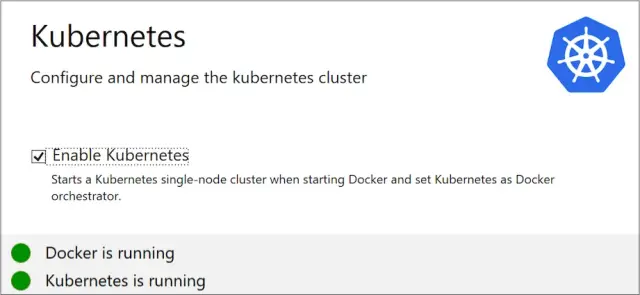 Docker for Windows Desktop with KubernetesDocker
 Tree - MintlifyMintlify
 Real-Time Speech-to-Speech Translation: Architecture GuideDeepgram
 Updated and Ongoing Supply Chain Attack Targets CrowdStrike npm PackagesSocket
 Siloscape: Windows Malware That Breaks KubernetesThenewstack