
We’ve trained a pair of neural networks to solve the Rubik’s Cube with a human-like robot hand. The neural networks are trained entirely in simulation, using the same reinforcement learning code as OpenAI Five paired with a new technique called Automatic Domain Randomization (ADR). The system can handle situations it never saw during training, such as being prodded by a stuffed giraffe.
Recommended
Credit Saison achieves 954% ROI in a ChatGPT Enterprise pilotOpenai Making it easier for websites to express AI training preferencesOpenai Community safety report and new protections for teensOpenai Operation "Doppelganger": Russian influence activity targeting UkraineOpenai Everyday work with ChatGPT WorkOpenai Romance scams: AI-enabled romance scam workflowsOpenai Lessons Swift Designer Chris Lattner Has Learned about LeadershipThenewstack
 KAUST and Cerebras Named Gordon Bell Award Finalist for Solving Multi-Dimensional SeismicCerebras
 Lies, damn lies, and benchmarksDeepgram
 Cerebras Systems and National Energy Technology Laboratory Set New Milestones for High-PerformanceCerebras
 When the docs write the code: migrating my Speech-to-Text playground to Python SDK v6Deepgram
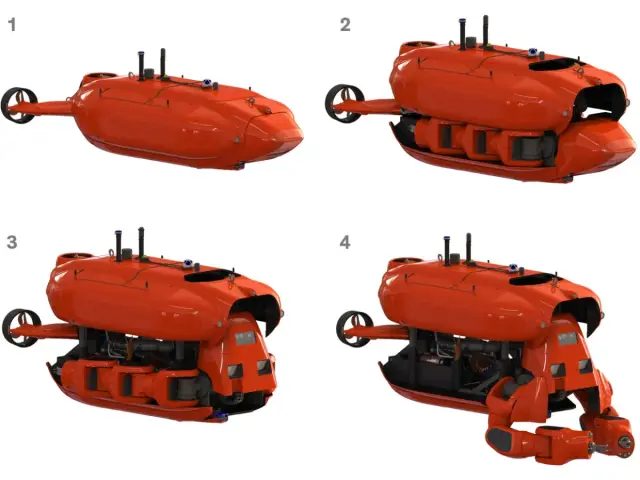 Aquanaut, the Shapeshifting Subsea Autonomous RobotThenewstack
 Get to Know PulumiPulumi
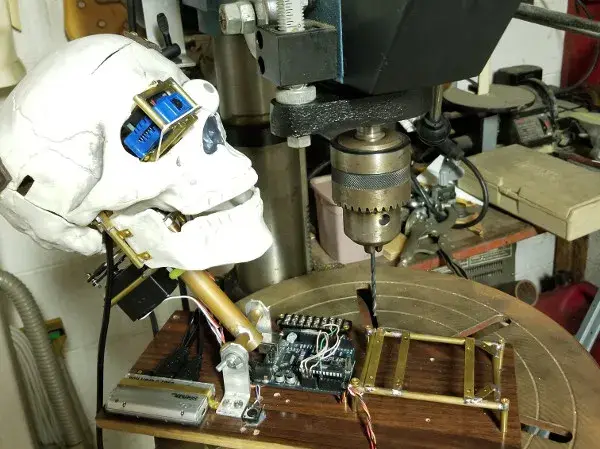 Off-The-Shelf Hacker: Ygor Hand Me That BeagleBoneThenewstack
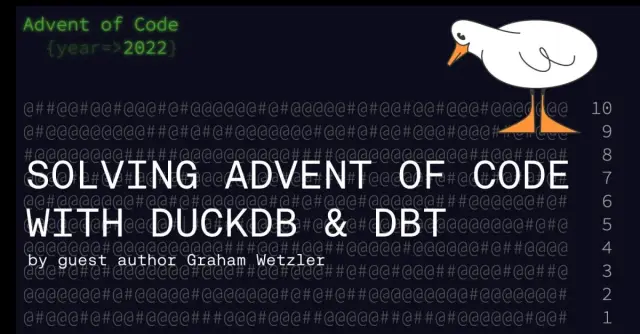 Solving Advent of Code with DuckDB and dbt | MotherDuckMotherduck
 Perfect the engineering design process with these 11 stepsNotion So
 MIT Machine Learning Uses 'Graph Grammar' to Automate and Optimize Robot DesignThenewstack
 How we made Notion available offlineNotion So
 Tactical vs. strategic planning: key differences and examplesNotion So
 Zero secrets left behind: Solving secrets sprawl1password