
A deep dive into why Codex Security doesn’t rely on traditional SAST, instead using AI-driven constraint reasoning and validation to find real vulnerabilities with fewer false positives.
Recommended
Community safety report and new protections for teensOpenai Statement from the OpenAI Board of Directors on the Nonprofit Commission ReportOpenai Security on the path to AGIOpenai Running Codex safely at OpenAIOpenai GPT-6.1 Sol helps CodeRabbit strengthen security across complex codebasesOpenai Strengthening democratic oversight in national securityOpenai Cloud Security Trends & Challenges: Complete GuideCybersecurity Exchange
 Security Implementation for Responsible AI: A Practical FrameworkCybersecurity Exchange
 State of Speech: Our New Data Report Reveals ASR’s Untapped Potential - Deepgram Blog ⚡️Deepgram
 5 Reasons to Keep Contributing to Open-Source Projects - Deepgram Blog ⚡️Deepgram
 NoSQLNow! 2014 Case Study: Bleacher Report on Redis LabsRedis
Redis Achieves ISO 27001 Cybersecurity CertificationRedis
 How to Conduct an AI Agent Security Audit [+ Checklist]Zapier
 DevSecOps: Why Security Shouldn’t be Sacrificed for SpeedThenewstack
 Security Considerations for API-Driven Apps Deployed to CloudThenewstack
 Oso Unbundles Security AuthorizationThenewstack
 Pulumi ESC and External Secrets Operator: The Perfect Solution for TodayPulumi
 IaC Best Practices: Implementing RBAC and SecurityPulumi
 Docker at Cloud Expo Asia: GenAI, Security, and New InnovationsDocker
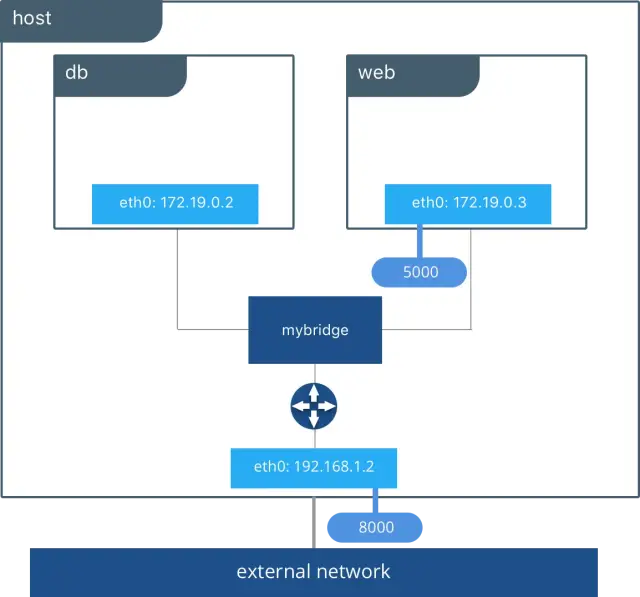 Docker Networking Drivers - Details and Use CasesDocker