
We’ve written a policy research paper identifying four strategies that can be used today to improve the likelihood of long-term industry cooperation on safety norms in AI: communicating risks and benefits, technical collaboration, increased transparency, and incentivizing standards.
Recommended
Operation "Doppelganger": Russian influence activity targeting UkraineOpenai Everyday work with ChatGPT WorkOpenai Romance scams: AI-enabled romance scam workflowsOpenai Will Hurd joins OpenAI’s board of directorsOpenai Statement from the OpenAI Board of Directors on the Nonprofit Commission ReportOpenai Simplifying, stabilizing, and scaling continuous-time consistency modelsOpenai Security Implementation for Responsible AI: A Practical FrameworkCybersecurity Exchange
 The Most Important Work in AI Training Is Also the Most Overlooked - Deepgram Blog ⚡️Deepgram
 A Success Story Worth Sharing: Glide.me and Redis LabsRedis
Local Kubernetes Development Using Minikube and Redis EnterpriseRedis
 Workato integrations: What's included and when to use ZapierZapier
 Intel Unveils Next Generation Neuromorphic Computing ChipThenewstack
 This Week in Programming: Who's Headed to KubeCon?Thenewstack
 Selecting the Right Database for Your MicroservicesThenewstack
 Docker at Cloud Expo Asia: GenAI, Security, and New InnovationsDocker
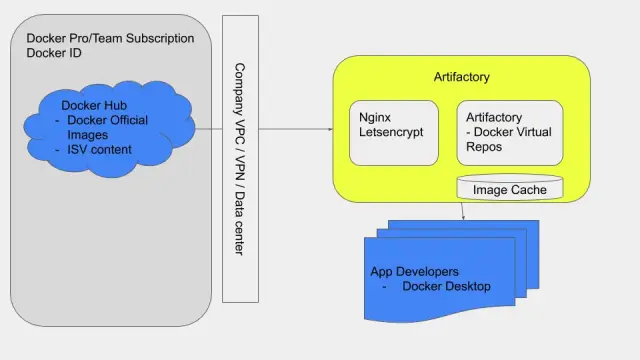 New Docker and JFrog Partnership Designed to Improve the Speed and Quality of App DevelopmentDocker
 Introducing the Docker Desktop WSL 2 BackendDocker
 Launching a Framework for Responsible Practices for Synthetic MediaSynthesia
 How Sky Italia Digitizes Learning Paths to Accelerate New Product Launches by 4xSynthesia
 Linux Foundation: Why Open Source Needs Research NowThenewstack