
What is the N+1 Query Problem and How to Solve it?
Learn what the N+1 queries problem is by working through an example N+1 query updating it to a JOIN statement and going over how to identify them in the future.
 Learn Horizontal Scaling on PlanetScaleDB with VitessPlanetscale
PlanetScale migrates open source Vitess test suite from Python to GoPlanetscale
Orchestrator failure detection and recovery: New BeginningsPlanetscale
ACID Transactions are not just for banksPlanetscale
Consensus algorithms at scale: Part 3 - Use casesPlanetscale
MySQL semi-sync replication: durability consistency and split brainsPlanetscale
Learn Horizontal Scaling on PlanetScaleDB with VitessPlanetscale
PlanetScale migrates open source Vitess test suite from Python to GoPlanetscale
Orchestrator failure detection and recovery: New BeginningsPlanetscale
ACID Transactions are not just for banksPlanetscale
Consensus algorithms at scale: Part 3 - Use casesPlanetscale
MySQL semi-sync replication: durability consistency and split brainsPlanetscale
 OData or GraphQL? The Best Tech for Developing an API Is Neither or Both!Thenewstack
 Oso Unbundles Security AuthorizationThenewstack
 Some Things You Oughta Know When Working with Viewport UnitsCss Tricks
 Analyze JSON Data Using SQL and DuckDBMotherduck
 MotherDuck Builder Office Hours - July 21Motherduck
 Building a Remote MCP Server: OAuth, Tool Design & Lessons from 4,000+ AI Queries | MotherDuckMotherduck
 It's Ducking Easy: From Zero to Insight with MotherDuck and dbtMotherduck
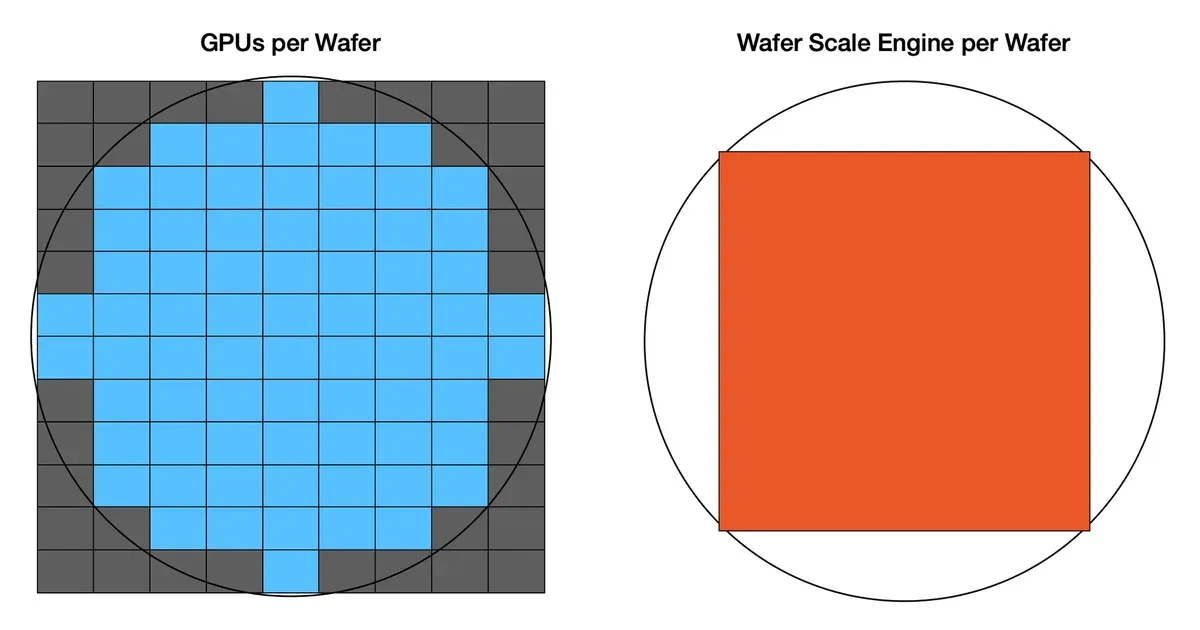 100x Defect Tolerance: How Cerebras Solved the Yield Problem - CerebrasCerebras
 Troubleshooting .NET automatic instrumentation issuesOpentelemetry
 Pulumi Context API: query your infrastructure as a graphPulumi
 What is Root Cause Analysis?Datadoghq
 Cost-Based Hybrid Query Optimization in MotherDuck - MotherDuck Research PapersMotherduck
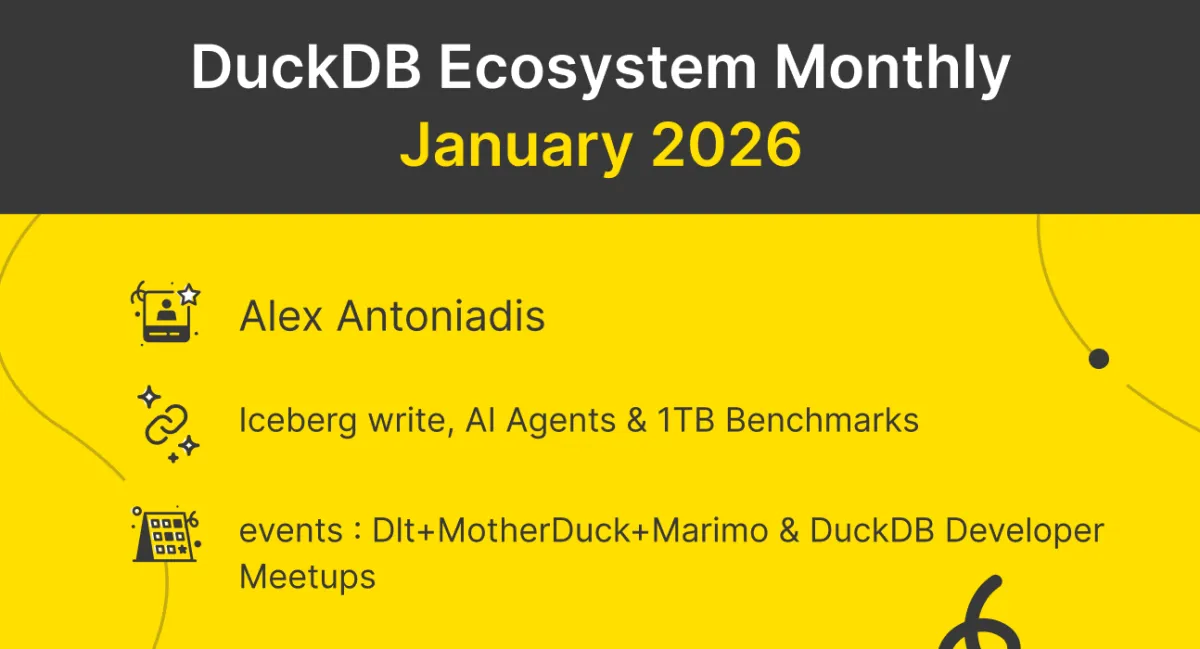 This Month in the DuckDB Ecosystem: January 2026Motherduck
 Vary This, Vary That - Introducing New Custom Query Parameter Vary Cache SettingsBunny
