

A practical guide to writing structured, queryable, lint-enforceable logs with consistent event names, attributes, severity, and schema checks.
Recommended
 Should you use a log or a metric?Sentry
 Seer, the Sentry MCP and CLI, or your own coding agent: where each one fitsSentry
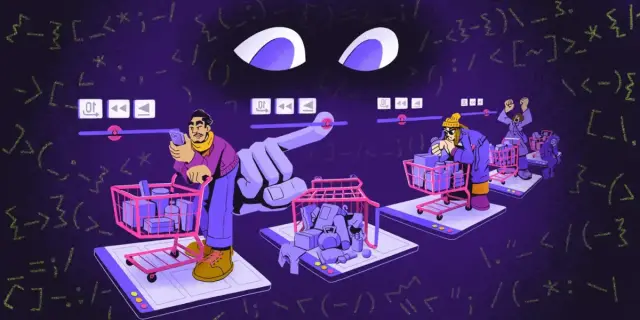 How to evaluate session replay software: a developer's guideSentry
 How Etsy gets its mobile apps ready for peak trafficSentry
 Big improvements to Seer AgentSentry
 MongoDB Query Tracing in .NET with Sentry + OTLPSentry
 Anthropic integration with Modal brings scalable compute to Claude ScienceModal
 What is OCSF and How Do You Implement It?Datadoghq
 What are Logs and How are Logs Managed?Datadoghq
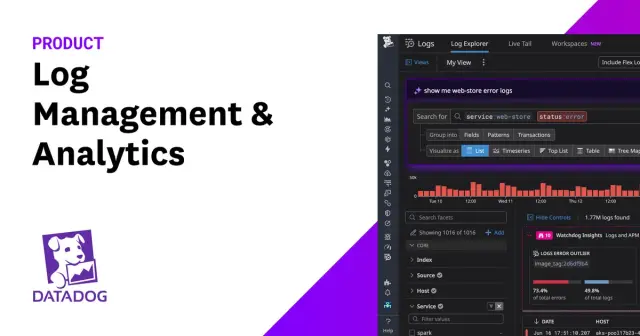 Log Management & AnalyticsDatadoghq
 Storage Structure - bunny.net DocumentationBunny
 API documentation guide: what it is and how to build itMintlify
 How to structure documentation for both AI and human readersMintlify
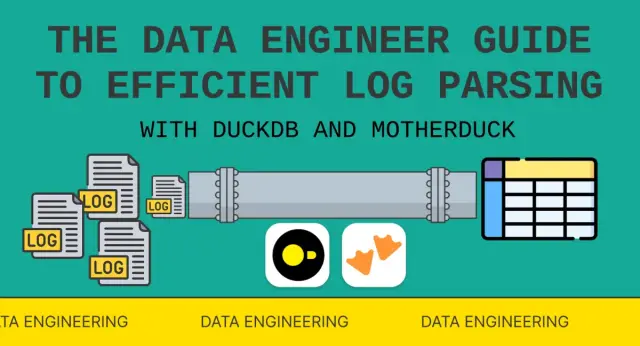 The Data Engineer's Guide to Efficient Log Parsing with DuckDB/MotherDuckMotherduck
 Introducing Log Reports - A deeper insight into your CDN metricsBunny
 Log Deepgram Call Summaries In SalesforceDeepgram
 Equality | KotlinKotlinlang
Iterators | KotlinKotlinlang
 Introducing Permanent Log Storage & Real-time CDN Log ForwardingBunny
 Query-Log-Informed Schema Descriptions and their Impact on Text-to-SQL - MotherDuck Research PapersMotherduck