
Security implications of Kubernetes operators
Examples of proper Kubernetes operator permission scoping, and ways to use operators to make Kubernetes services more secure.
 What is a Container Registry security?Snyk
Weaponizing AI Coding Agents for Malware in the Nx Malicious Package Security IncidentSnyk
Using Snyk reporting for data-driven securitySnyk
Snyk in 30: Open source security for Atlassian Bitbucket CloudSnyk
Kubernetes Monitoring GuideSnyk
10 best practices to containerize Node.js web applications with DockerSnyk
What is a Container Registry security?Snyk
Weaponizing AI Coding Agents for Malware in the Nx Malicious Package Security IncidentSnyk
Using Snyk reporting for data-driven securitySnyk
Snyk in 30: Open source security for Atlassian Bitbucket CloudSnyk
Kubernetes Monitoring GuideSnyk
10 best practices to containerize Node.js web applications with DockerSnyk
 Cloud Security Trends & Challenges: Complete GuideCybersecurity Exchange
 Security Implementation for Responsible AI: A Practical FrameworkCybersecurity Exchange
 Local Kubernetes Development Using Minikube and Redis EnterpriseRedis
 How to Conduct an AI Agent Security Audit [+ Checklist]Zapier
 How Argo CD and OpenShift Enable GitOps for DevelopersThenewstack
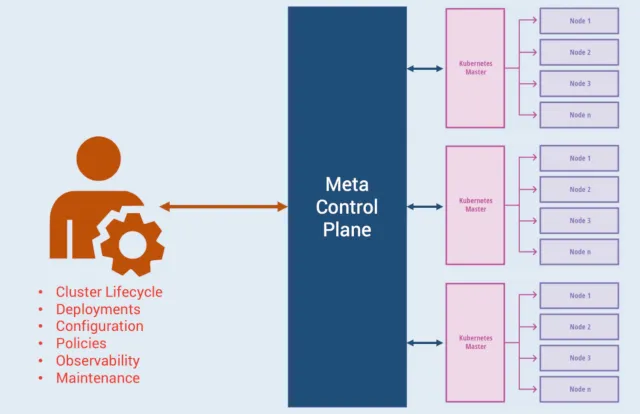 Google Anthos from the Eyes of a Kubernetes DeveloperThenewstack
 DevSecOps: Why Security Shouldn’t be Sacrificed for SpeedThenewstack
 Security Considerations for API-Driven Apps Deployed to CloudThenewstack
 Oso Unbundles Security AuthorizationThenewstack
 Pulumi ESC and External Secrets Operator: The Perfect Solution for TodayPulumi
 AWS Enterprise Container Management with PulumiPulumi
 IaC Best Practices: Implementing RBAC and SecurityPulumi
 Supporting Kubernetes with Faster, Easier Test EnvironmentsPulumi
 Neo Integrations: MCP Servers and Cloud CLIsPulumi
