
Understanding the developer attitude to security
This gives development teams a mandate and a means to prioritize security. With this model, clear ownership is important so that teams aren’t assuming another team has taken the responsibility for the security of a shared or legacy project.
 Cloud Security Trends & Challenges: Complete GuideCybersecurity Exchange
 Security Implementation for Responsible AI: A Practical FrameworkCybersecurity Exchange
 How to Conduct an AI Agent Security Audit [+ Checklist]Zapier
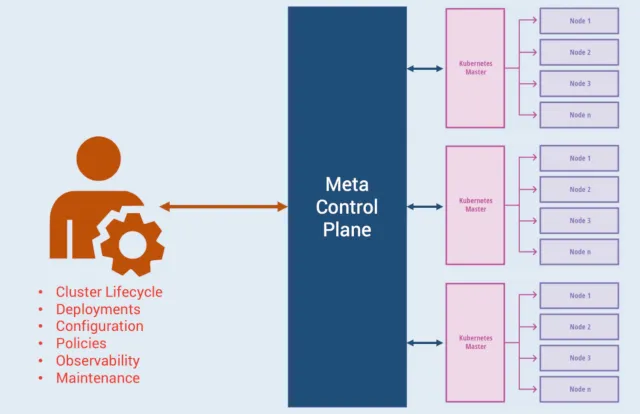 Google Anthos from the Eyes of a Kubernetes DeveloperThenewstack
 DevSecOps: Why Security Shouldn’t be Sacrificed for SpeedThenewstack
 Integrate Jupyter Notebooks with GitHubThenewstack
 Security Considerations for API-Driven Apps Deployed to CloudThenewstack
 Oso Unbundles Security AuthorizationThenewstack
 Pulumi ESC and External Secrets Operator: The Perfect Solution for TodayPulumi
 IaC Best Practices: Implementing RBAC and SecurityPulumi
 Module version numbering - The Go Programming LanguageGo
 Revisiting Docker Hub Policies: Prioritizing Developer ExperienceDocker
 Docker at Cloud Expo Asia: GenAI, Security, and New InnovationsDocker
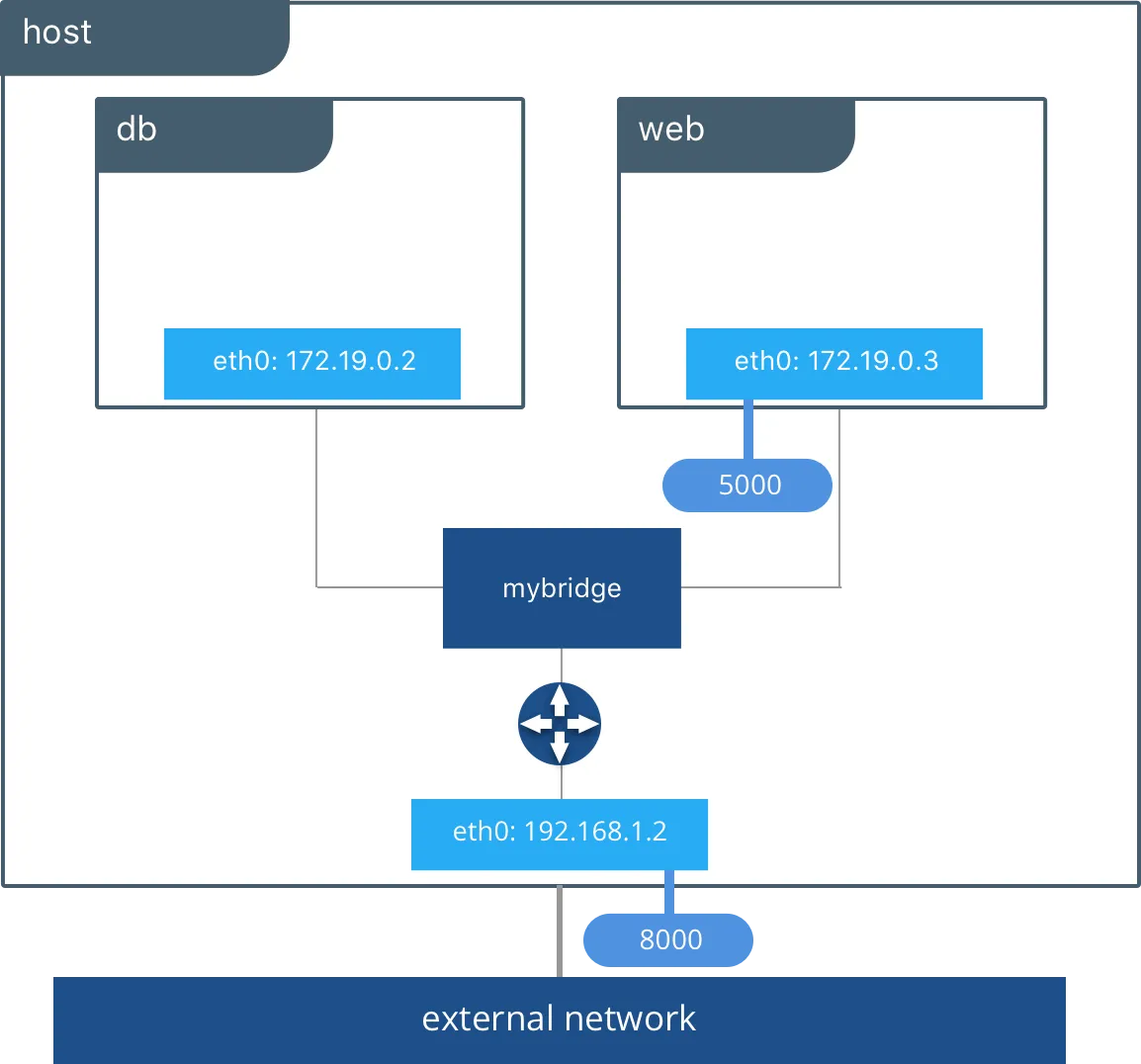 Docker Networking Drivers - Details and Use CasesDocker
