
Part 2: Build client-side AI toxicity detection
Toxicity detection protects your users and creates a safer online environment. In part two, we learn how to build a client-side AI tool to detect and mitigate toxicity at its source.
 Threading the web with module workersWeb
Sign in UsersWeb
Delivering Fast and Light Applications with Save-DataWeb
Storage for the webWeb
Threading the web with module workersWeb
Sign in UsersWeb
Delivering Fast and Light Applications with Save-DataWeb
Storage for the webWeb
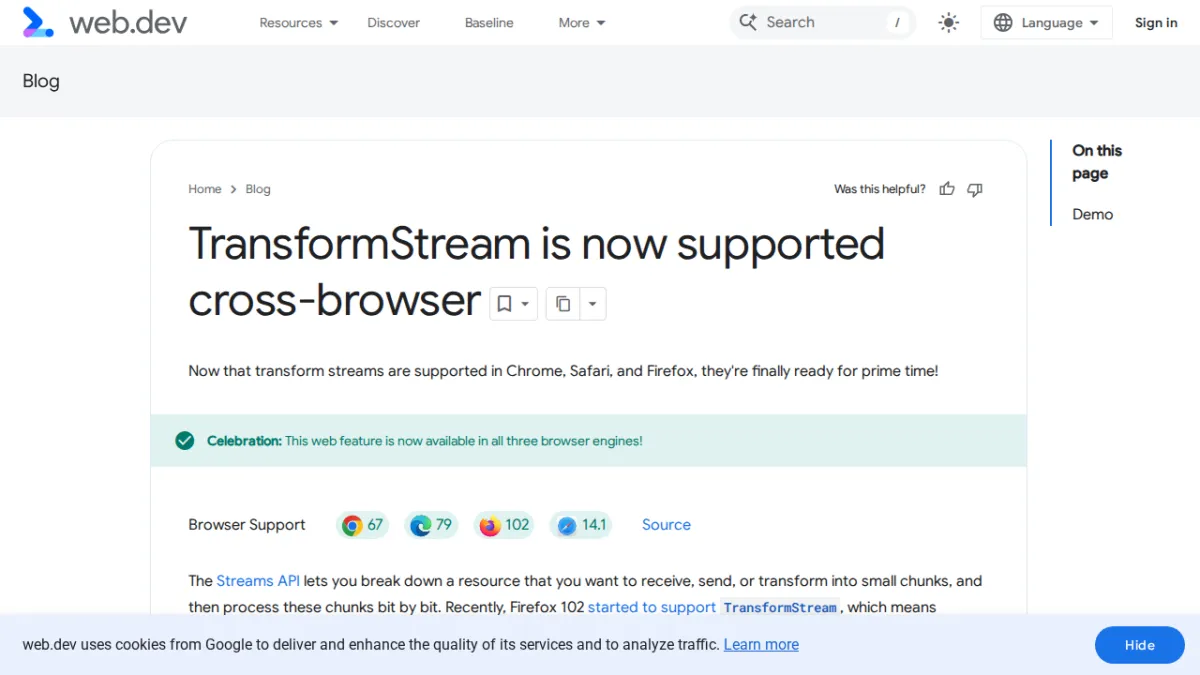 TransformStream is now supported cross-browserWeb
 Interop 2026: Continuing to improve the web for developersWeb
 A Guide to Extended Threat Detection and Response: What It Is and How to Choose the Best SolutionsCybersecurity Exchange
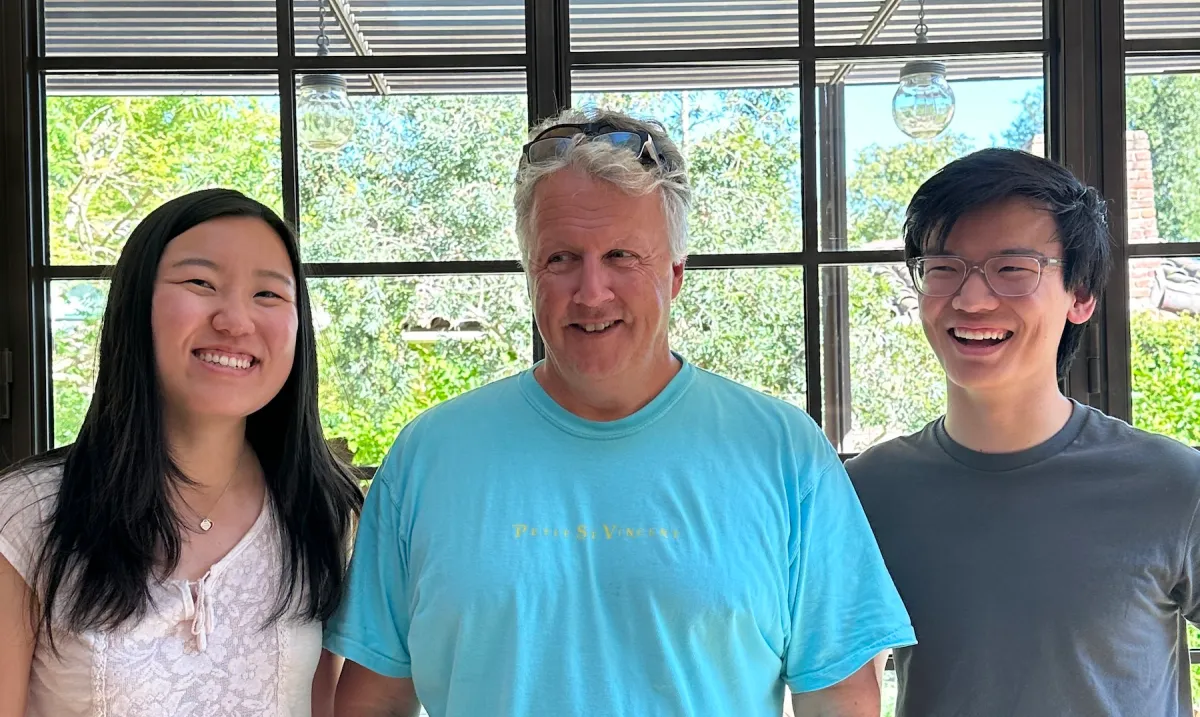 How we grew Mintlify by doing things that don't scaleMintlify
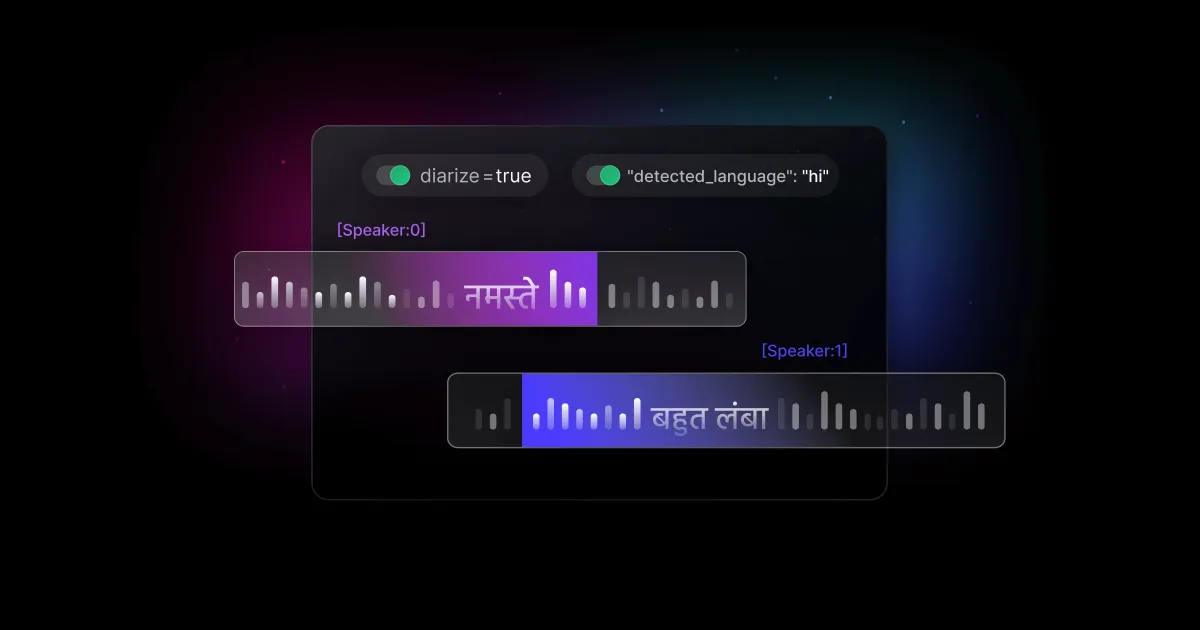 Trained on 100,000+ Voices: Deepgram Unveils Next-Gen Speaker Diarization and Language DetectionDeepgram
 Playing With P5.js: Creating a Voice-Controlled Game - Deepgram Blog ⚡️Deepgram
 Calling Your Video Game With Your Phone: Part 1Deepgram
 Build a Presentation Coaching Application with Recall - Deepgram Blog ⚡️Deepgram
 An Introduction to Redis-ML. Part OneRedis
 How a marketing agency increased client conversions 35% with Zapier CanvasZapier
 WooCommerce: App spotlightZapier
 Grafana Is Not Worried About AWS CommercializationThenewstack
 DevSecOps: Why Security Shouldn’t be Sacrificed for SpeedThenewstack
 New Policy as Code Capabilities with CrossGuardPulumi
 Real Go Projects: SmartTwitter and web.go - The Go Programming LanguageGo
 Module version numbering - The Go Programming LanguageGo
