
How to Build Kubernetes Operators: A Handbook for Devs
An operator extends the same pattern to resources Kubernetes doesn't know about natively, letting you manage custom, often external, systems the same declarative way you manage everything else in the cluster.
 How to Build Your Own Language-Specific LLM [Full Handbook]Freecodecamp
How to Build a Multi-Tenant SaaS Platform with Next.js, Express, and PrismaFreecodecamp
How to Build an Agentic Terminal Workflow with GitHub Copilot CLI and MCP ServersFreecodecamp
How to Build a Voice-Powered AI Application with the Web Speech APIFreecodecamp
How to Build a Self-Learning RAG System with Knowledge ReflectionFreecodecamp
The Node.js and Express.js Handbook for BeginnersFreecodecamp
How to Build Your Own Language-Specific LLM [Full Handbook]Freecodecamp
How to Build a Multi-Tenant SaaS Platform with Next.js, Express, and PrismaFreecodecamp
How to Build an Agentic Terminal Workflow with GitHub Copilot CLI and MCP ServersFreecodecamp
How to Build a Voice-Powered AI Application with the Web Speech APIFreecodecamp
How to Build a Self-Learning RAG System with Knowledge ReflectionFreecodecamp
The Node.js and Express.js Handbook for BeginnersFreecodecamp
 How we grew Mintlify by doing things that don't scaleMintlify
 Build a Presentation Coaching Application with Recall - Deepgram Blog ⚡️Deepgram
 Local Kubernetes Development Using Minikube and Redis EnterpriseRedis
 WooCommerce: App spotlightZapier
 How Argo CD and OpenShift Enable GitOps for DevelopersThenewstack
 Grafana Is Not Worried About AWS CommercializationThenewstack
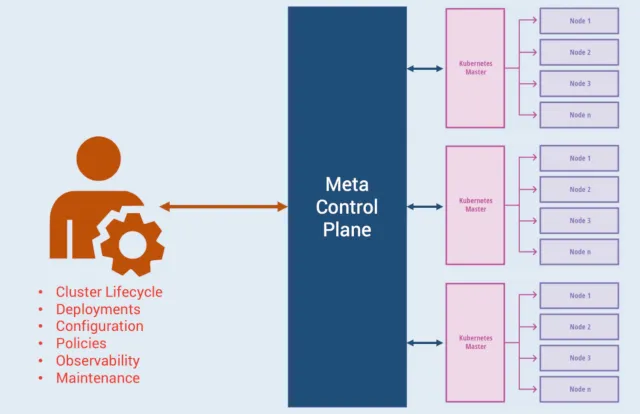 Google Anthos from the Eyes of a Kubernetes DeveloperThenewstack
 DevSecOps: Why Security Shouldn’t be Sacrificed for SpeedThenewstack
 Security Considerations for API-Driven Apps Deployed to CloudThenewstack
 AWS Enterprise Container Management with PulumiPulumi
 Supporting Kubernetes with Faster, Easier Test EnvironmentsPulumi
 Neo Integrations: MCP Servers and Cloud CLIsPulumi
 Real Go Projects: SmartTwitter and web.go - The Go Programming LanguageGo
Go Concurrency Patterns: Pipelines and cancellation - The Go Programming LanguageGo
Real Go Projects: SmartTwitter and web.go - The Go Programming LanguageGo
Go Concurrency Patterns: Pipelines and cancellation - The Go Programming LanguageGo
