
Aqua News The thin host to serverless model is radically realigning your security responsibilities
As you move more containers into production, you’ll discover that running containers on virtual machines requires only a minimal or “Thin OS”, which makes securing the operating system on the host level easier.

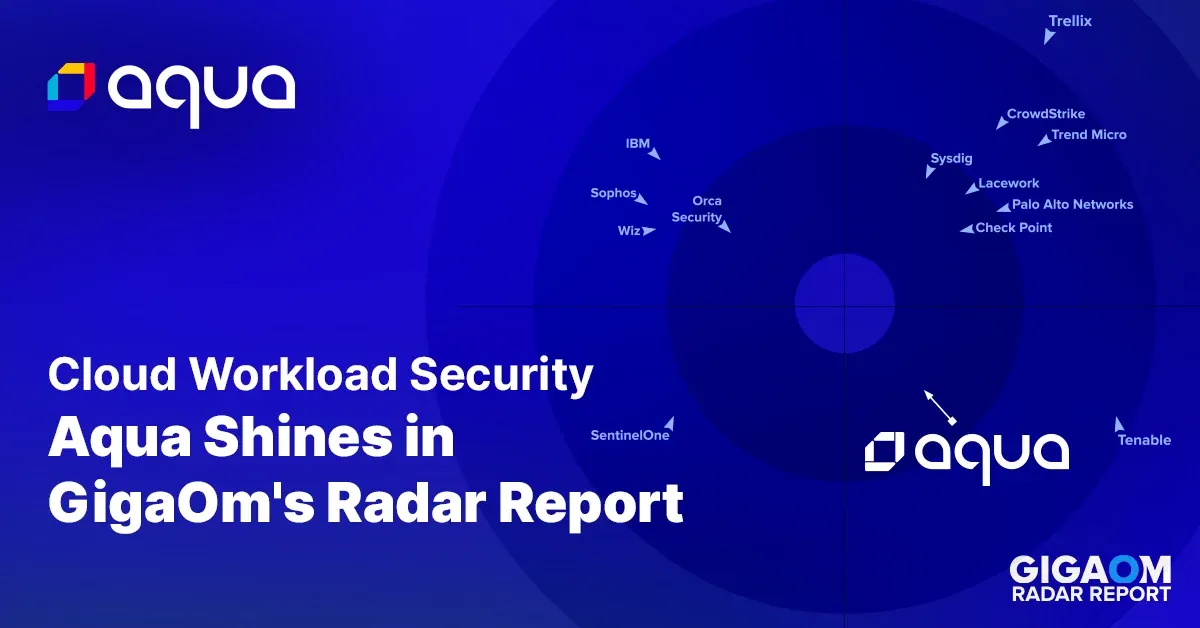 Cloud Workload Security: Aqua Shines in GigaOm's Radar ReportAquasec
 Aqua and HashiCorp Enable Cloud Native Security, Zero-Trust ApproachesAquasec
 Cloud VM Security with Aqua CSPAquasec
 Empowering Security: Bridging Talk to Action at RSA 2024Aquasec
 Istio Security: Zero-Trust NetworkingAquasec
 Remediate Vulnerabilities with Integrated Aqua and ServiceNow WorkflowsAquasec
 Cloud Security Trends & Challenges: Complete GuideCybersecurity Exchange
 Security Implementation for Responsible AI: A Practical FrameworkCybersecurity Exchange
 New Spanish and Turkish Language Models and Updated General Models - Deepgram Blog ⚡️Deepgram
 How to Conduct an AI Agent Security Audit [+ Checklist]Zapier
 DevSecOps: Why Security Shouldn’t be Sacrificed for SpeedThenewstack
 Security Considerations for API-Driven Apps Deployed to CloudThenewstack
 Oso Unbundles Security AuthorizationThenewstack
 Pulumi ESC and External Secrets Operator: The Perfect Solution for TodayPulumi
 IaC Best Practices: Implementing RBAC and SecurityPulumi
 The Go Memory Model - The Go Programming LanguageGo
 What is a CUDA Thread Block?Modal
 Sidecars: A low-latency trust boundary for SandboxesModal
 The Serverless Backend for Analytics: Introducing MotherDuck’s Native Integration on VercelMotherduck
 Docker at Cloud Expo Asia: GenAI, Security, and New InnovationsDocker
