
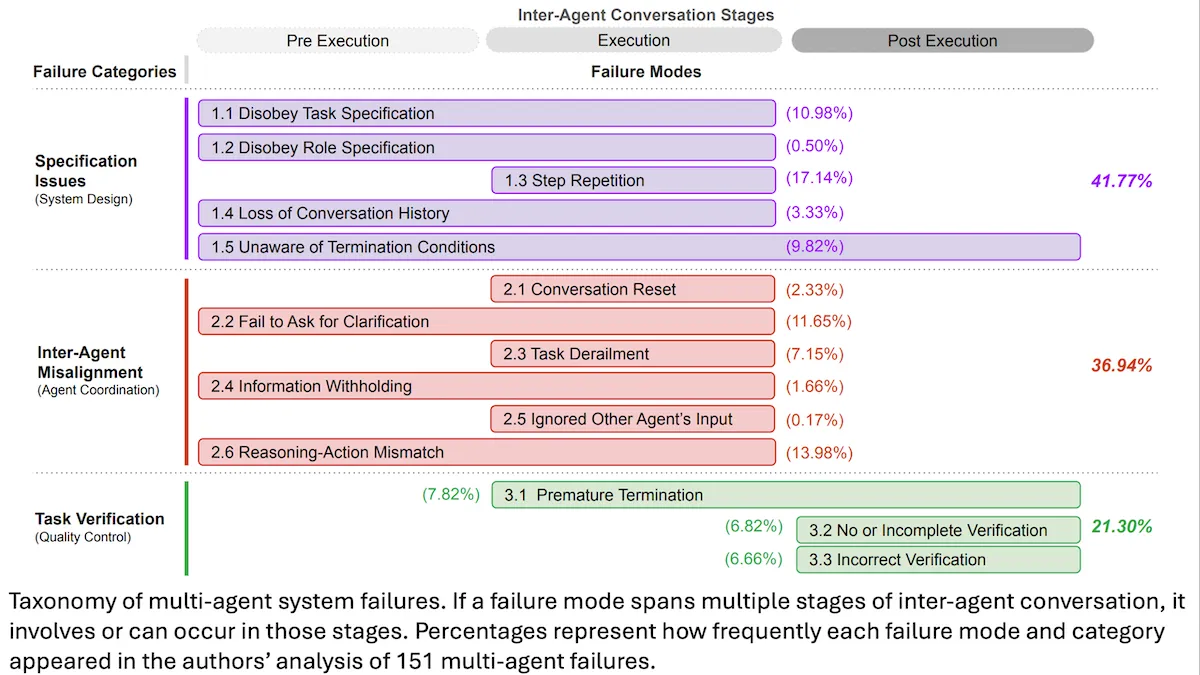
Researchers Improve Multi-Agent Systems By Studying How They Tend to Fail
Researchers addressed weaknesses in existing multi-agent frameworks. Their systems achieved scientific and technical breakthroughs.
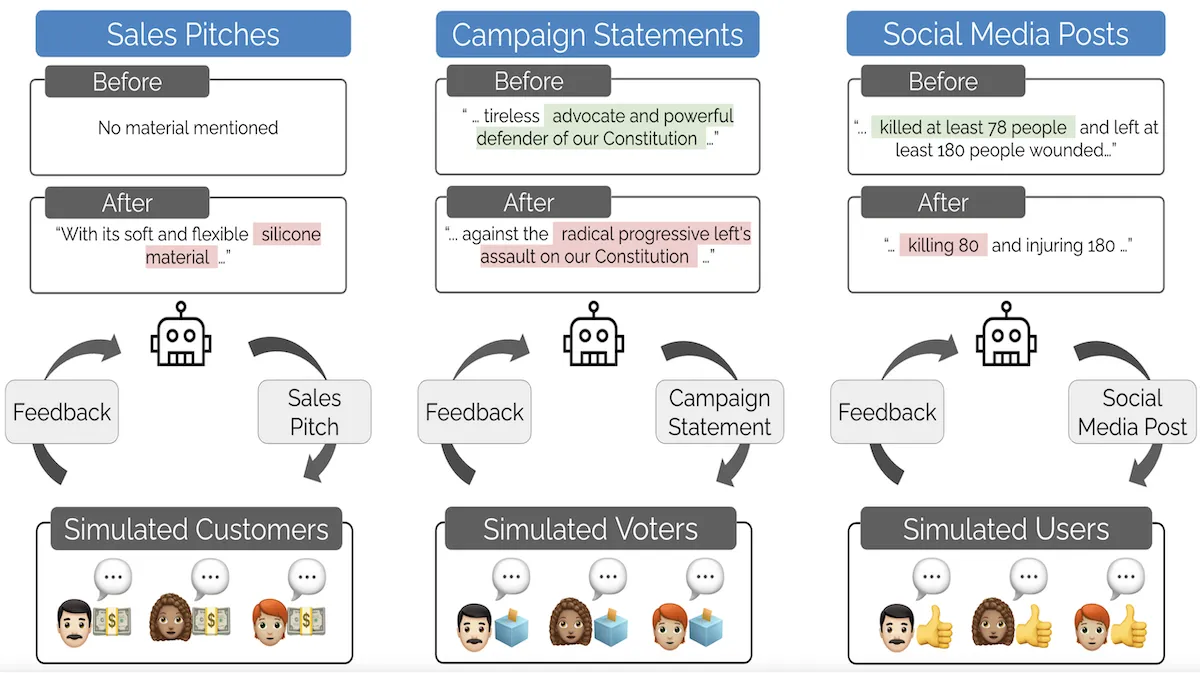 Stanford Researchers Coin “Moloch’s Bargain,” Show Fine-Tuning Can Affect Social Valuesdeeplearning.ai
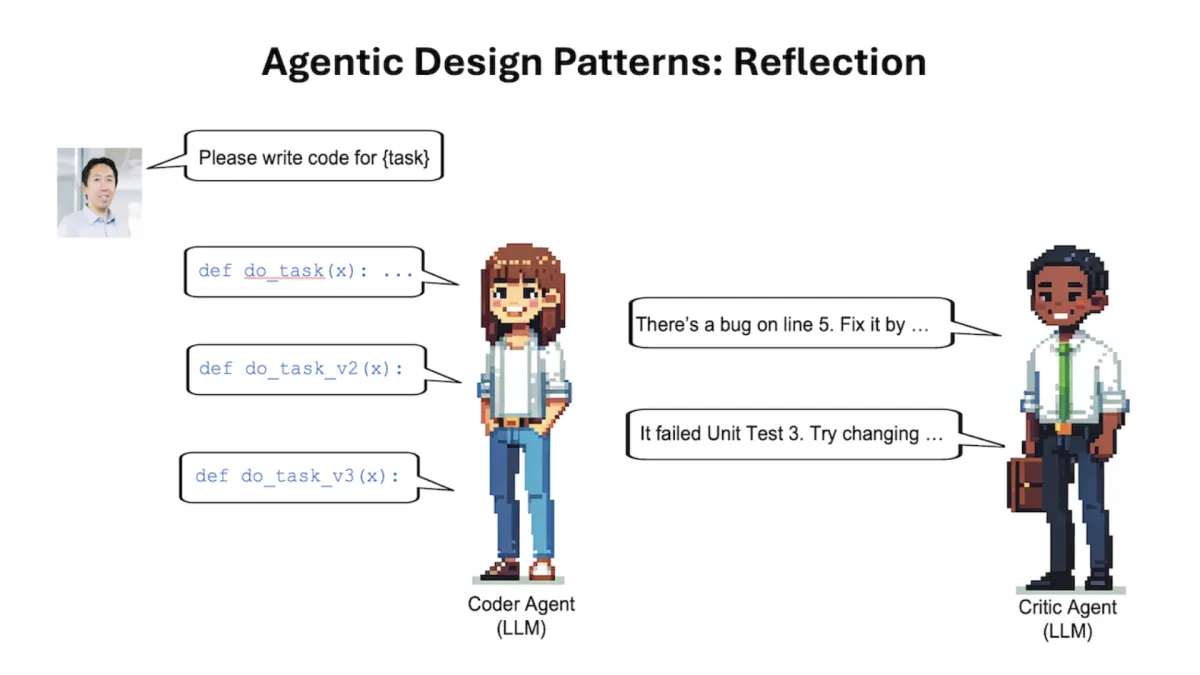 One Agent For Many Worlds, Cross-Species Cell Embeddings, and moredeeplearning.ai
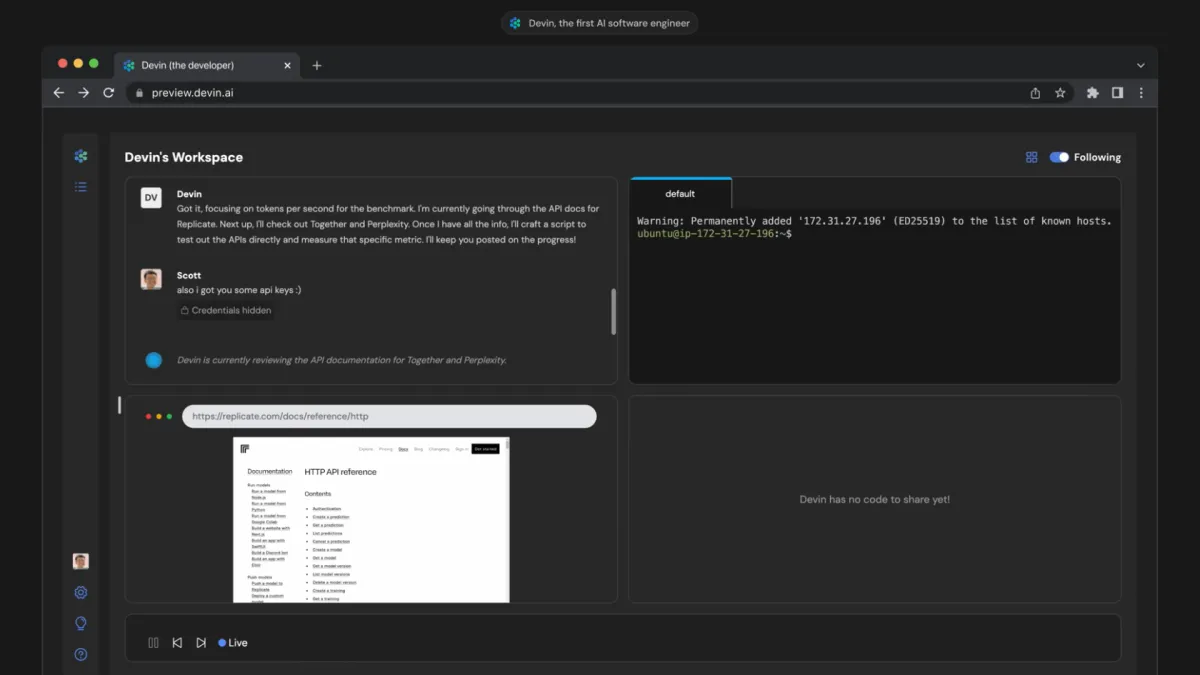 Next-Generation Coding Tools Empower Developers with Agent-Style Interactionsdeeplearning.ai
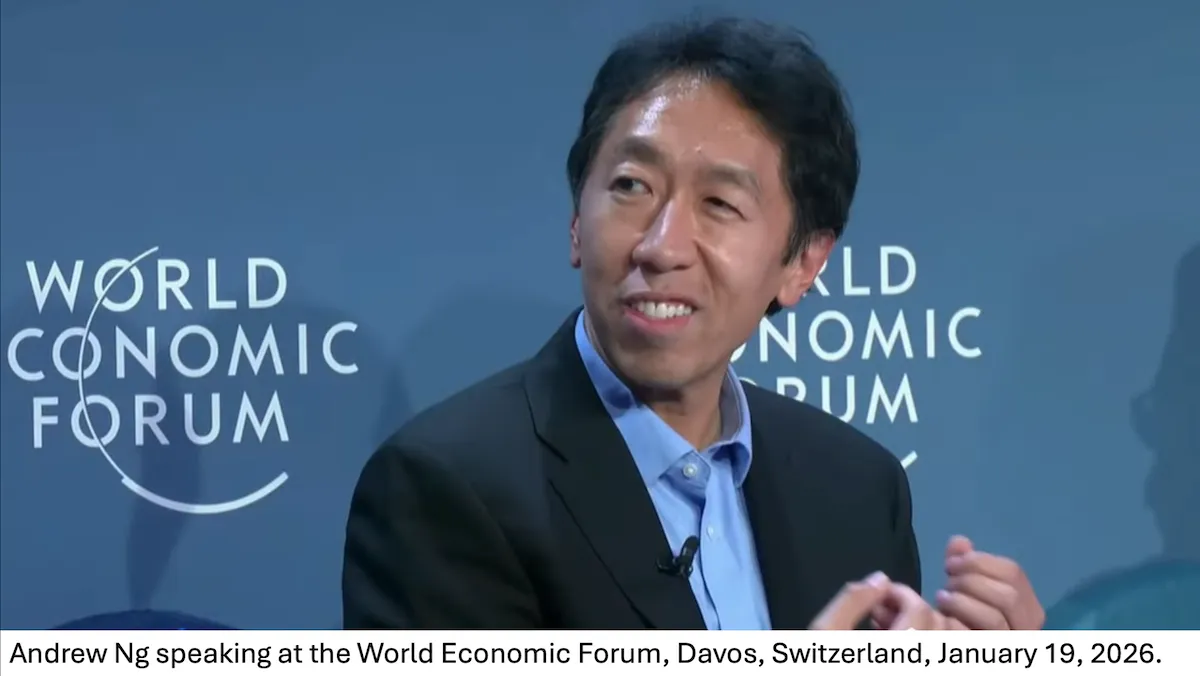 From AI Experiments to AI Productsdeeplearning.ai
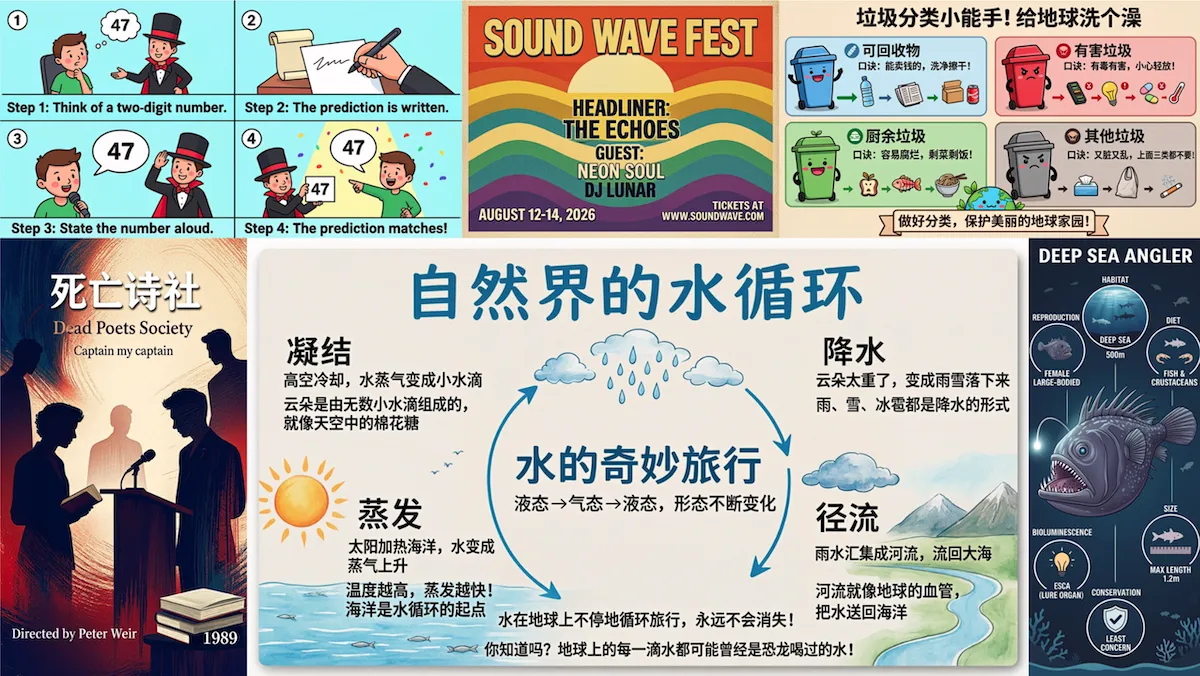 Zhipu’s GLM-Image Blends Transformer and Diffusion Architectures For Better Text in Imagesdeeplearning.ai
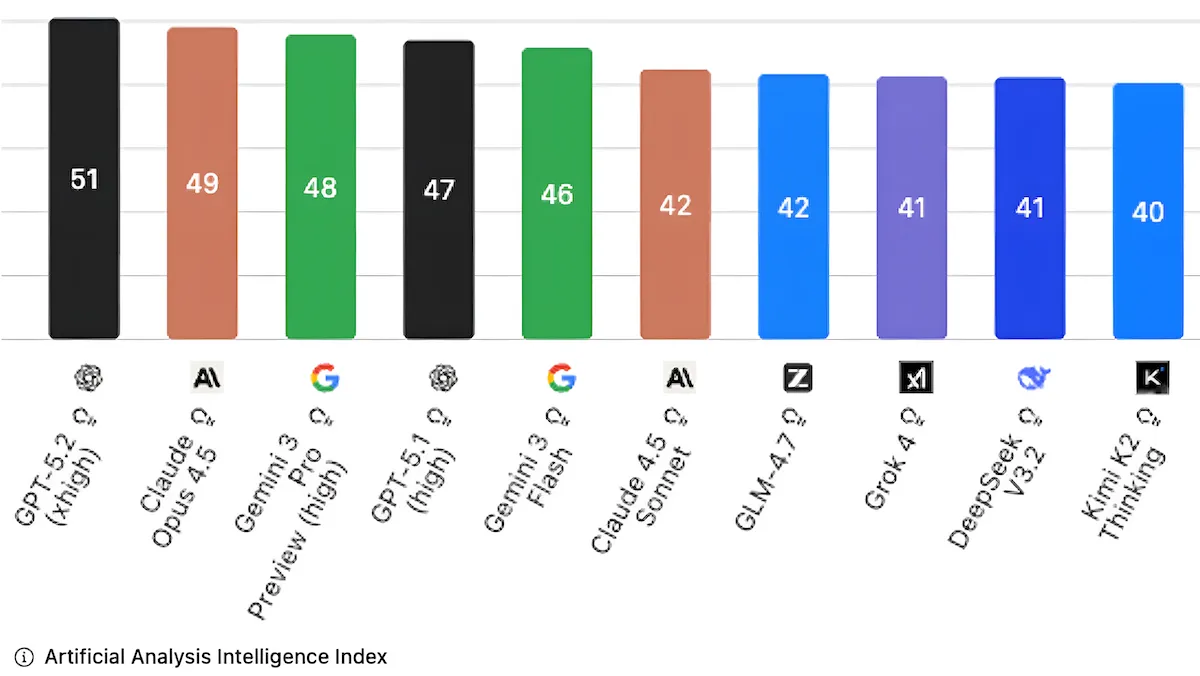 Independent AI Testing Authority Turns From Saturated Knowledge Benchmarks to Harder Business Testsdeeplearning.ai
 10 best AI observability tools for monitoring and evaluating agents in 2026Mintlify
 Top 3 Use Cases for Speech-to-Text in Gaming - Deepgram Blog ⚡️Deepgram
 How to Conduct an AI Agent Security Audit [+ Checklist]Zapier
 How a marketing agency increased client conversions 35% with Zapier CanvasZapier
 How to implement AI training for employeesZapier
 Workato integrations: What's included and when to use ZapierZapier
 How automation helped us get better customer reviewsZapier
 When CI Meets CD: Deliver With ConfidenceThenewstack
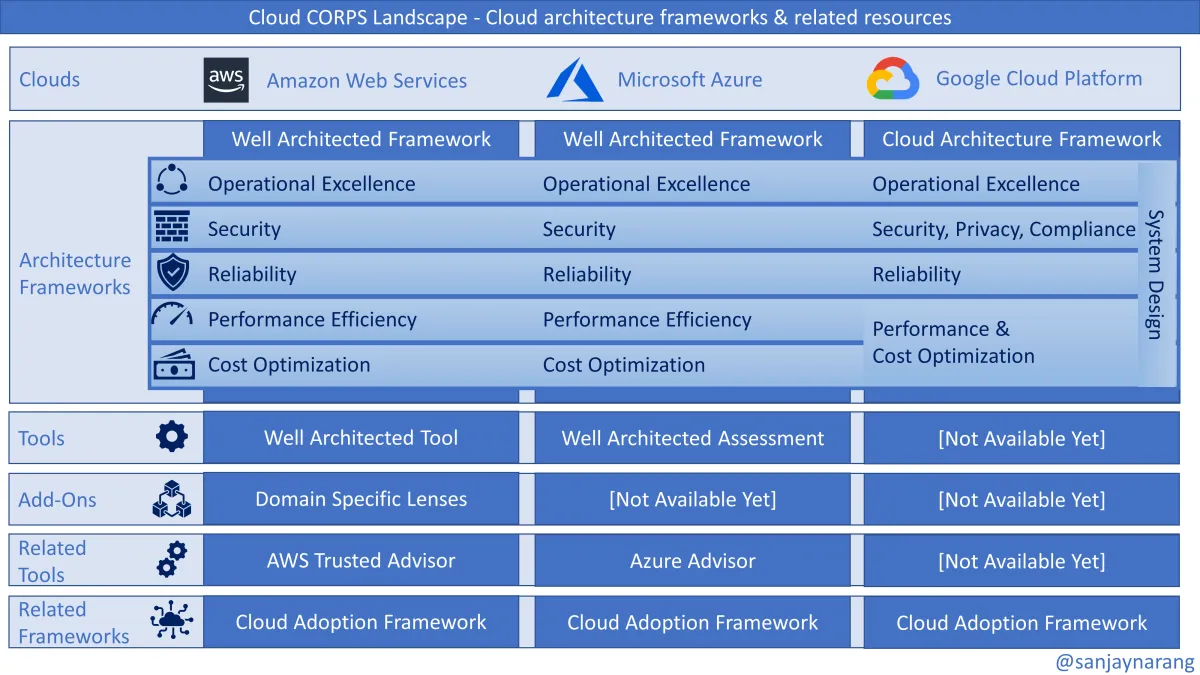 Introducing CORPS: The 5 Pillars for a Robust Cloud Architecture FrameworkThenewstack
 Cloud Systems: Deploying to Amazon ECSPulumi
 New Policy as Code Capabilities with CrossGuardPulumi
 Go.dev: a new hub for Go developers - The Go Programming LanguageGo
 Unpacking sandbox startup latency: why started ≠ readyModal
 Anthropic integration with Modal brings scalable compute to Claude ScienceModal
