
Anomaly Detection Using ML.NET
The theory behind the concepts is explained and exemplified. The method is demonstrated with a real-world scenario implemented using C# and ML.NET.

 Fraud Detection Using Random Forest, Neural Autoencoder, and Isolation Forest TechniquesInfoq
 Plugin Framework for .NETInfoq
Grab Redesigns Counter Service Storage for 50% Lower P99 LatencyInfoq
The Async Multiprocessing Has Sound Foundations in Linux, But Further Testing is NeededInfoq
AI Agents with Cloud Credentials Are Outrunning Billing Guardrails Built for Human-Speed MistakesInfoq
How to Develop Software Engineering Skills in the Age of AIInfoq
Plugin Framework for .NETInfoq
Grab Redesigns Counter Service Storage for 50% Lower P99 LatencyInfoq
The Async Multiprocessing Has Sound Foundations in Linux, But Further Testing is NeededInfoq
AI Agents with Cloud Credentials Are Outrunning Billing Guardrails Built for Human-Speed MistakesInfoq
How to Develop Software Engineering Skills in the Age of AIInfoq
 A Guide to Extended Threat Detection and Response: What It Is and How to Choose the Best SolutionsCybersecurity Exchange
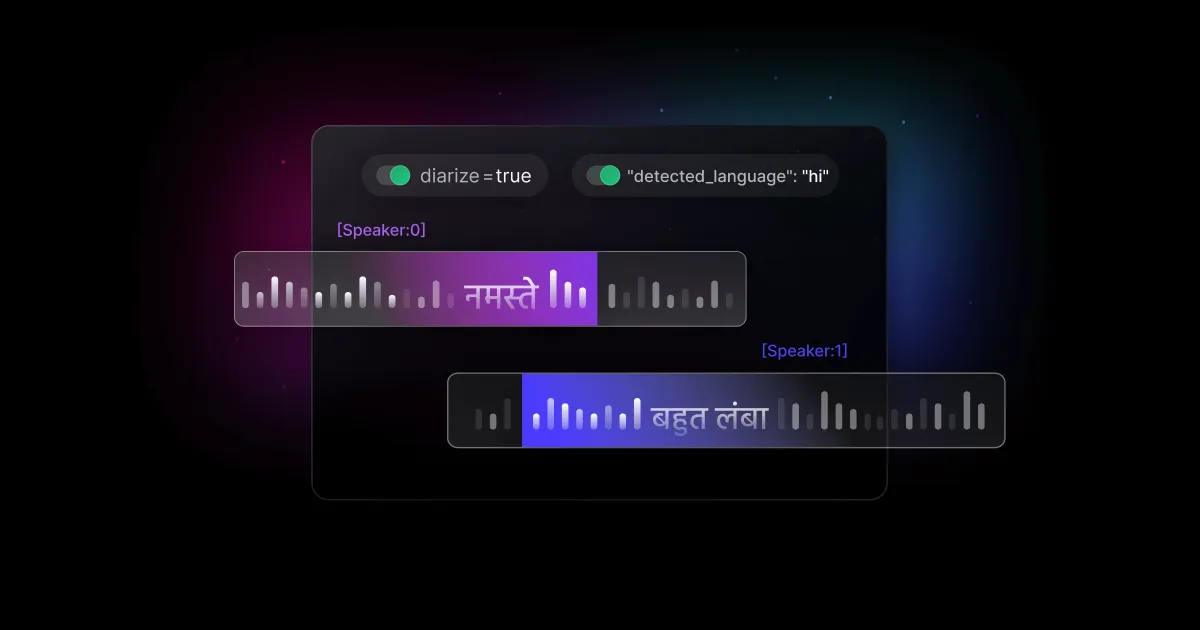 Trained on 100,000+ Voices: Deepgram Unveils Next-Gen Speaker Diarization and Language DetectionDeepgram
 Top 3 Use Cases for Speech-to-Text in Gaming - Deepgram Blog ⚡️Deepgram
 No Code Transcription: Simplifying Workflows with Deepgram and Make.comDeepgram
 Local Kubernetes Development Using Minikube and Redis EnterpriseRedis
Six Things to Consider When Using Redis on HerokuRedis
Redis OM .NET UpdateRedis
Local Kubernetes Development Using Minikube and Redis EnterpriseRedis
Six Things to Consider When Using Redis on HerokuRedis
Redis OM .NET UpdateRedis
 Customer.io Automatically Standardizes Form Submissions for ReportingZapier
 How automation helped us get better customer reviewsZapier
 Pulumi ESC Table Editor Now Supports Dynamic Credential and Secret IntegrationsPulumi
 How We Eliminated Long-Lived CI Secrets Across 70+ ReposPulumi
 Pulumi Neo Now Supports AGENTS.mdPulumi
 Pushing Pulumi ESC Secrets into External PlatformsPulumi
 Introducing New Slimmer Docker ImagesPulumi
