
How We Reduced Our React App’s Load Time by 60%
React handles UI updates efficiently but it does not magically make your web app faster. As our application grew in size, we started noticing some drawbacks of our setup.
 Grab Redesigns Counter Service Storage for 50% Lower P99 LatencyInfoq
The Async Multiprocessing Has Sound Foundations in Linux, But Further Testing is NeededInfoq
AI Agents with Cloud Credentials Are Outrunning Billing Guardrails Built for Human-Speed MistakesInfoq
How to Develop Software Engineering Skills in the Age of AIInfoq
Grab Redesigns Counter Service Storage for 50% Lower P99 LatencyInfoq
The Async Multiprocessing Has Sound Foundations in Linux, But Further Testing is NeededInfoq
AI Agents with Cloud Credentials Are Outrunning Billing Guardrails Built for Human-Speed MistakesInfoq
How to Develop Software Engineering Skills in the Age of AIInfoq
 CodeGuardian: a Model Context Protocol Server for AI-Assisted Code Quality Analysis and SecurityInfoq
 Agility and Architecture: Balancing Minimum Viable Product and Minimum Viable ArchitectureInfoq
 Trigger automation - MintlifyMintlify
 Playing With P5.js: Creating a Voice-Controlled Game - Deepgram Blog ⚡️Deepgram
 Let’s Play Master and Servant: Real Time Synchronization Tool for Redis MigrationRedis
 WooCommerce: App spotlightZapier
 Flockport: Time to Start All Over Again and Return to LXC ContainersThenewstack
 Announcing the New Pulumi Partner ProgramPulumi
 The App Engine SDK and workspaces (GOPATH) - The Go Programming LanguageGo
Go on App Engine: tools, tests, and concurrency - The Go Programming LanguageGo
The App Engine SDK and workspaces (GOPATH) - The Go Programming LanguageGo
Go on App Engine: tools, tests, and concurrency - The Go Programming LanguageGo
 How a top tier European soccer team sped up their data processing and reduced costs by 50%Modal
 What is a Load/Store Unit?Modal
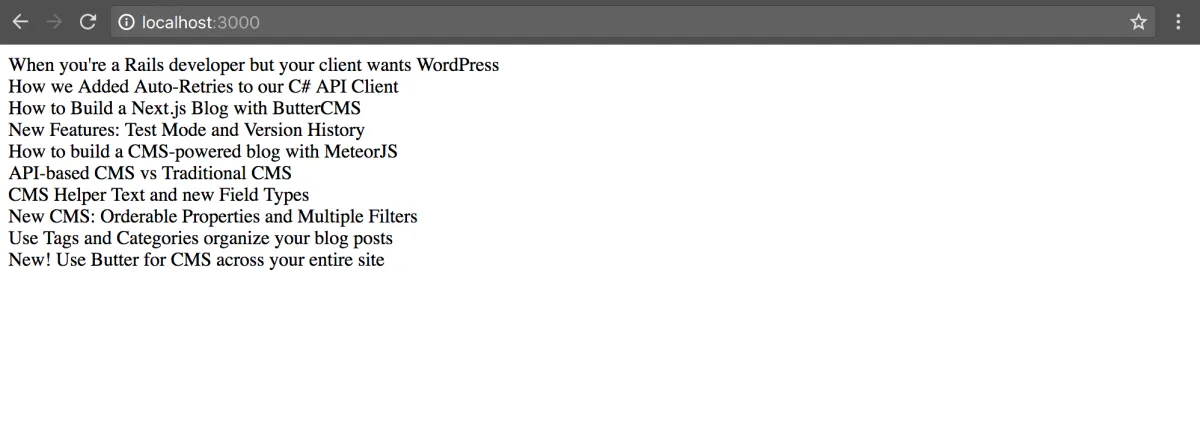 Server-Side React RenderingCss Tricks
 Svelte for the Experienced React DevCss Tricks
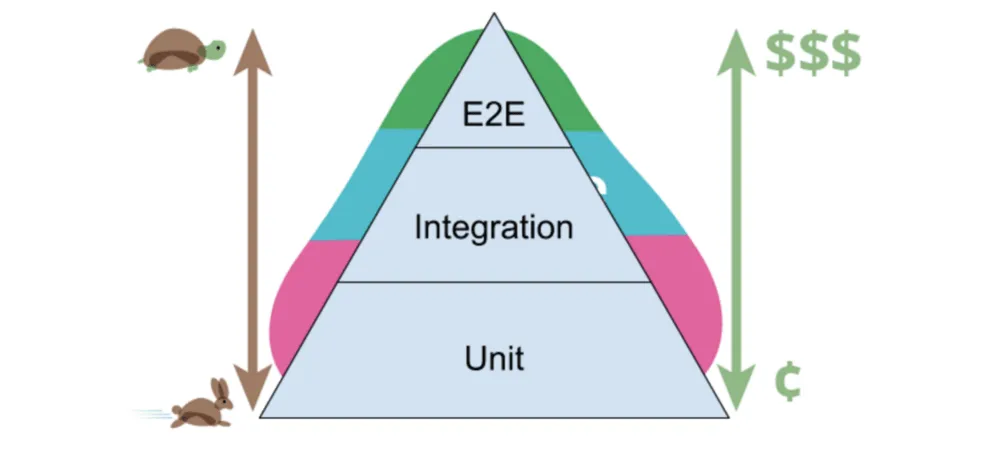 Develop, Preview, TestCss Tricks
 Duck Duck Stream: How to Efficiently Load Data into DuckLake with EstuaryMotherduck
