
Maximizing the Utility of Large Language Models (LLMs) through Prompting
Prompting techniques discussed include few-shot, chain-of-thought, self-consistency, and tree-of-thoughts prompting.
 Grab Redesigns Counter Service Storage for 50% Lower P99 LatencyInfoq
The Async Multiprocessing Has Sound Foundations in Linux, But Further Testing is NeededInfoq
AI Agents with Cloud Credentials Are Outrunning Billing Guardrails Built for Human-Speed MistakesInfoq
How to Develop Software Engineering Skills in the Age of AIInfoq
Grab Redesigns Counter Service Storage for 50% Lower P99 LatencyInfoq
The Async Multiprocessing Has Sound Foundations in Linux, But Further Testing is NeededInfoq
AI Agents with Cloud Credentials Are Outrunning Billing Guardrails Built for Human-Speed MistakesInfoq
How to Develop Software Engineering Skills in the Age of AIInfoq
 CodeGuardian: a Model Context Protocol Server for AI-Assisted Code Quality Analysis and SecurityInfoq
 Agility and Architecture: Balancing Minimum Viable Product and Minimum Viable ArchitectureInfoq
 10 best AI observability tools for monitoring and evaluating agents in 2026Mintlify
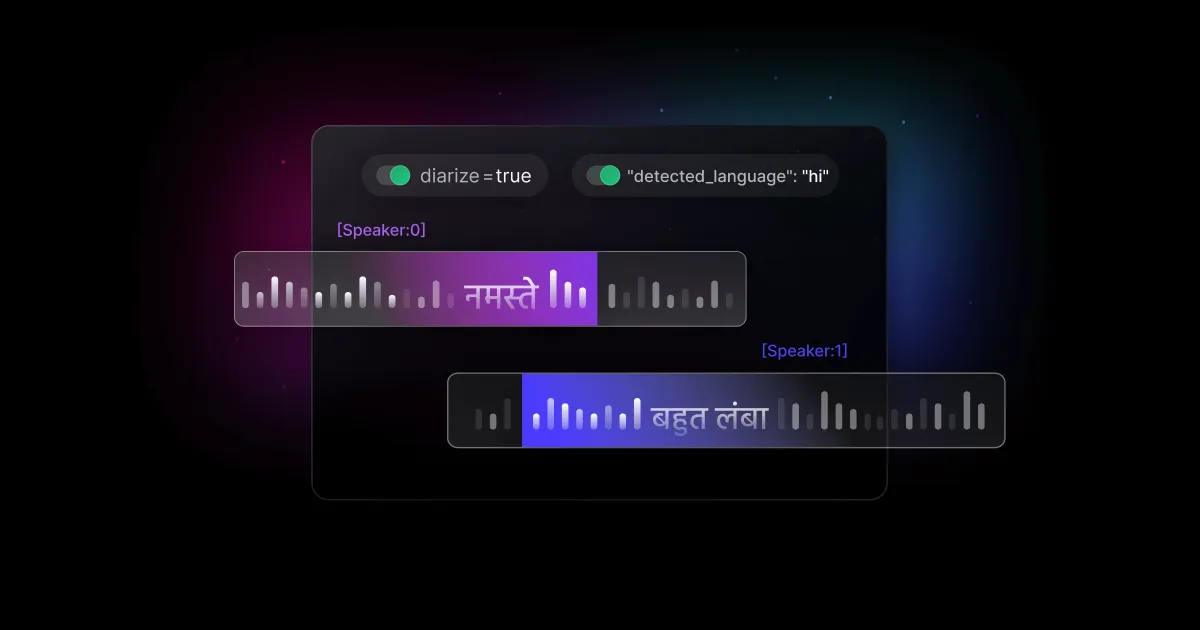 Trained on 100,000+ Voices: Deepgram Unveils Next-Gen Speaker Diarization and Language DetectionDeepgram
 The Language of LGBTQ Inclusion and Allyship - Deepgram Blog ⚡️Deepgram
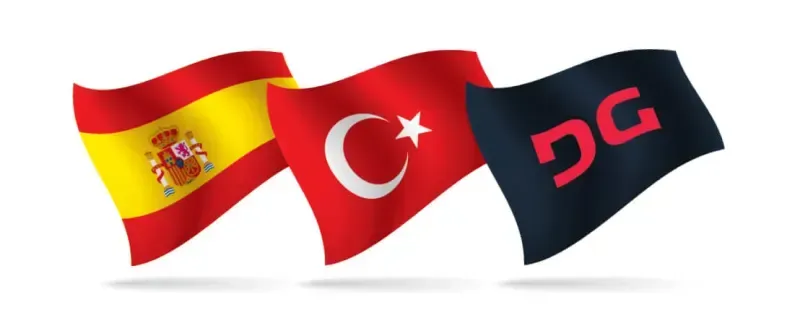 New Spanish and Turkish Language Models and Updated General Models - Deepgram Blog ⚡️Deepgram
 AI frameworks: Definition, types, and how to chooseZapier
 OData or GraphQL? The Best Tech for Developing an API Is Neither or Both!Thenewstack
 Discovered Stacks: One Place for All Your InfrastructurePulumi
 Neo Integrations: MCP Servers and Cloud CLIsPulumi
 Pkg.go.dev has a new look! - The Go Programming LanguageGo
Inside the Go Playground - The Go Programming LanguageGo
Real Go Projects: SmartTwitter and web.go - The Go Programming LanguageGo
The App Engine SDK and workspaces (GOPATH) - The Go Programming LanguageGo
Go on App Engine: tools, tests, and concurrency - The Go Programming LanguageGo
Pkg.go.dev has a new look! - The Go Programming LanguageGo
Inside the Go Playground - The Go Programming LanguageGo
Real Go Projects: SmartTwitter and web.go - The Go Programming LanguageGo
The App Engine SDK and workspaces (GOPATH) - The Go Programming LanguageGo
Go on App Engine: tools, tests, and concurrency - The Go Programming LanguageGo
 The Go Memory Model - The Go Programming LanguageGo
