
Proactive Autoscaling for Edge Applications in Kubernetes
Kubernetes often reacts too late when traffic suddenly increases at the edge. A proactive scaling approach that considers response time, spare CPU capacity, and container startup delays can add or remove instances more smoothly, prevent sudden spikes, and keep performance stable on systems with limited resources.

 Kubernetes Operators in DepthInfoq
Grab Redesigns Counter Service Storage for 50% Lower P99 LatencyInfoq
The Async Multiprocessing Has Sound Foundations in Linux, But Further Testing is NeededInfoq
AI Agents with Cloud Credentials Are Outrunning Billing Guardrails Built for Human-Speed MistakesInfoq
How to Develop Software Engineering Skills in the Age of AIInfoq
Kubernetes Operators in DepthInfoq
Grab Redesigns Counter Service Storage for 50% Lower P99 LatencyInfoq
The Async Multiprocessing Has Sound Foundations in Linux, But Further Testing is NeededInfoq
AI Agents with Cloud Credentials Are Outrunning Billing Guardrails Built for Human-Speed MistakesInfoq
How to Develop Software Engineering Skills in the Age of AIInfoq
 CodeGuardian: a Model Context Protocol Server for AI-Assisted Code Quality Analysis and SecurityInfoq
 Local Kubernetes Development Using Minikube and Redis EnterpriseRedis
 How Argo CD and OpenShift Enable GitOps for DevelopersThenewstack
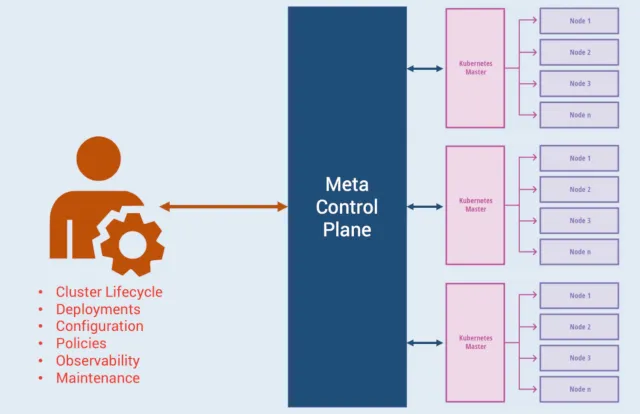 Google Anthos from the Eyes of a Kubernetes DeveloperThenewstack
 Security Considerations for API-Driven Apps Deployed to CloudThenewstack
 AWS Enterprise Container Management with PulumiPulumi
 Supporting Kubernetes with Faster, Easier Test EnvironmentsPulumi
 Neo Integrations: MCP Servers and Cloud CLIsPulumi
 KAUST and Cerebras Named Gordon Bell Award Finalist for Solving Multi-Dimensional SeismicCerebras
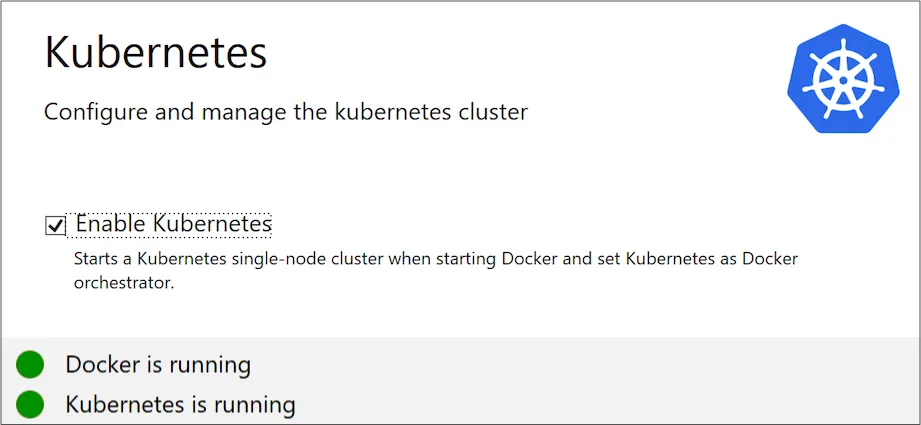 Docker for Windows Desktop with KubernetesDocker
 Bringing More Power To Edge Rules! Introducing Variable ExpansionBunny
 .NET zero-code instrumentationOpentelemetry
 Be the Hero in Your Real-Life Cyber Heist ScriptThenewstack
 Siloscape: Windows Malware That Breaks KubernetesThenewstack
 Breakdown: The Kubernetes-Run AI Video Generation Pipeline for NIUS.TVThenewstack
