
Securing Autonomous AI Agents on Kubernetes: Trust Boundaries, Secrets, and Observability for a New
Autonomous AI agents break Kubernetes security assumptions with dynamic dependencies, multi-domain credentials, and unpredictable resource use.
 AI Agents with Cloud Credentials Are Outrunning Billing Guardrails Built for Human-Speed MistakesInfoq
 Kubernetes Operators in DepthInfoq
Grab Redesigns Counter Service Storage for 50% Lower P99 LatencyInfoq
The Async Multiprocessing Has Sound Foundations in Linux, But Further Testing is NeededInfoq
How to Develop Software Engineering Skills in the Age of AIInfoq
Kubernetes Operators in DepthInfoq
Grab Redesigns Counter Service Storage for 50% Lower P99 LatencyInfoq
The Async Multiprocessing Has Sound Foundations in Linux, But Further Testing is NeededInfoq
How to Develop Software Engineering Skills in the Age of AIInfoq
 CodeGuardian: a Model Context Protocol Server for AI-Assisted Code Quality Analysis and SecurityInfoq
 Mintlify Alternatives: What to Consider (and Why There's No True Substitute)Mintlify
 10 best AI observability tools for monitoring and evaluating agents in 2026Mintlify
 Local Kubernetes Development Using Minikube and Redis EnterpriseRedis
 How Argo CD and OpenShift Enable GitOps for DevelopersThenewstack
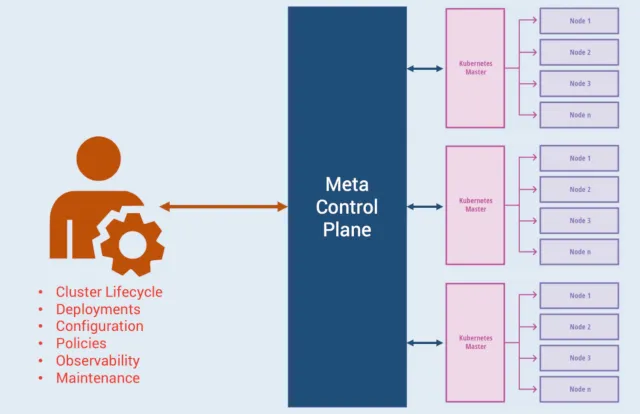 Google Anthos from the Eyes of a Kubernetes DeveloperThenewstack
 Lessons Swift Designer Chris Lattner Has Learned about LeadershipThenewstack
 Security Considerations for API-Driven Apps Deployed to CloudThenewstack
 Pulumi ESC and External Secrets Operator: The Perfect Solution for TodayPulumi
 AWS Enterprise Container Management with PulumiPulumi
 How We Eliminated Long-Lived CI Secrets Across 70+ ReposPulumi
 Pulumi Neo Now Supports AGENTS.mdPulumi
 IaC Best Practices: Implementing RBAC and SecurityPulumi
 Pushing Pulumi ESC Secrets into External PlatformsPulumi
 Supporting Kubernetes with Faster, Easier Test EnvironmentsPulumi
