
News
Stragglers, Not Failures: How Adaptive Hedged Requests Reduce p99 Latency by 74 Percent
In fan-out microservice architectures, slow-but-completing requests accumulate across services and drive p99 latency far higher than per-service metrics suggest.
 Grab Redesigns Counter Service Storage for 50% Lower P99 LatencyInfoq
 People, Not Screens: Why Soul-Based Leadership Will Change the Nature of Remote and Hybrid WorkInfoq
 The AI Revolution Will Not Be MonopolizedInfoq
 Adaptive Architecture: a Bridge between Fashion and TechnologyInfoq
 Adaptive Responses to Resiliently Handle Hard Problems in Software OperationsInfoq
The Async Multiprocessing Has Sound Foundations in Linux, But Further Testing is NeededInfoq
Adaptive Responses to Resiliently Handle Hard Problems in Software OperationsInfoq
The Async Multiprocessing Has Sound Foundations in Linux, But Further Testing is NeededInfoq
 Tagalog Speech to TextDeepgram
 How automation helped us get better customer reviewsZapier
 Grafana Is Not Worried About AWS CommercializationThenewstack
 OData or GraphQL? The Best Tech for Developing an API Is Neither or Both!Thenewstack
 Inside the Go Playground - The Go Programming LanguageGo
 Unpacking sandbox startup latency: why started ≠ readyModal
 Sidecars: A low-latency trust boundary for SandboxesModal
 What is a Load/Store Unit?Modal
 Product updates: Datadog integration, lower function latency & moreModal
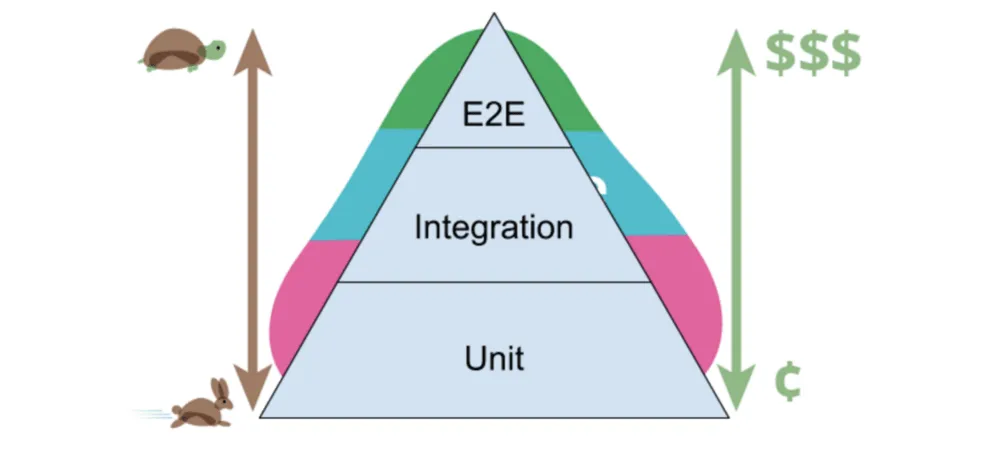 Develop, Preview, TestCss Tricks
 AMD and Cerebras Announce Disaggregated AI InferenceCerebras
 The Anatomy of shadcn/ui ComponentsVercel
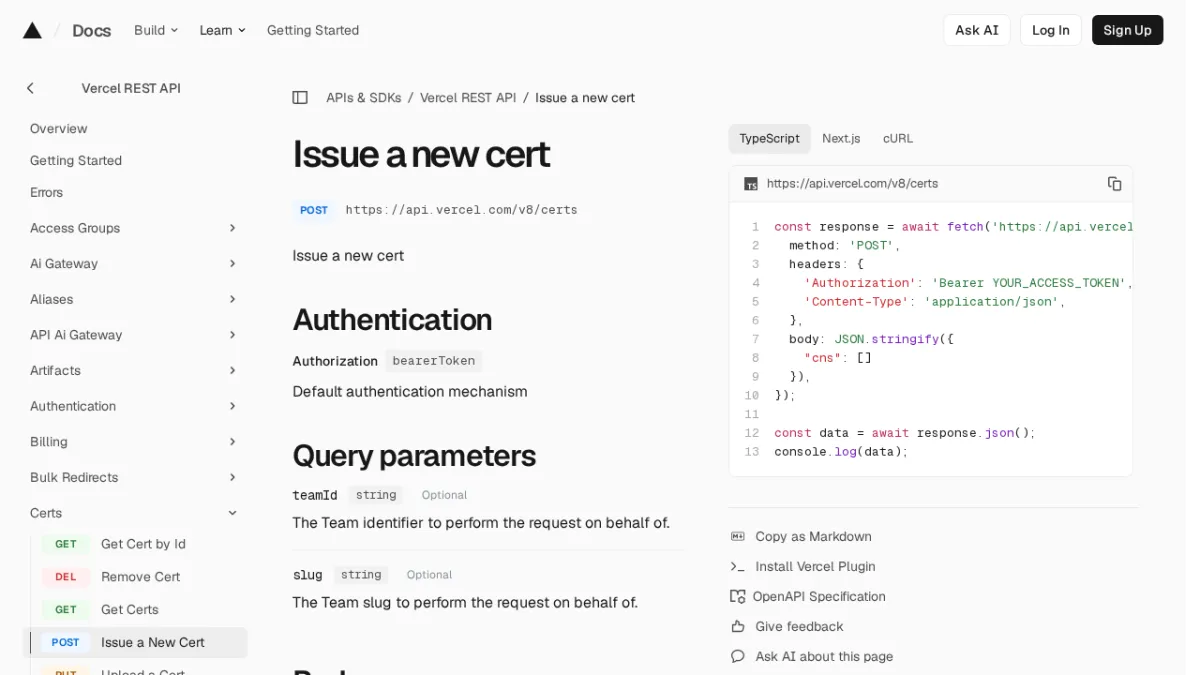 Issue a new certVercel
Real-Time Speech-to-Speech Translation: Architecture GuideDeepgram
Issue a new certVercel
Real-Time Speech-to-Speech Translation: Architecture GuideDeepgram