
This is a Microsoft Threat Intelligence briefing on how North Korean threat actors are adopting AI across their operations. The core finding: AI is being used as a force multiplier to accelerate and scale established workflows, not to change actor motivations.
Recommended
 Cerebras Announces Six New AI Datacenters Across North America and Europe to Deliver Industry’sCerebras
 Measuring CI/CD Adoption Rates Is a ProblemThenewstack
 GraphQL APIs: Great for Adoption, But Are They Secure?Thenewstack
 Grafana’s AWS Partnership Portends Better Performance and a Potential Boon in AdoptionThenewstack
 4 Threat Models for Kubernetes Deployment SecurityThenewstack
Sentry Raises $90 Million in Series E Funding to Expand and Drive Adoption of Developer-firstSentry
 A Guide to Extended Threat Detection and Response: What It Is and How to Choose the Best SolutionsCybersecurity Exchange
 7 ways to use Zapier's Zendesk integrationZapier
 How to Attract New Patients to Your Dental PracticeHeygen
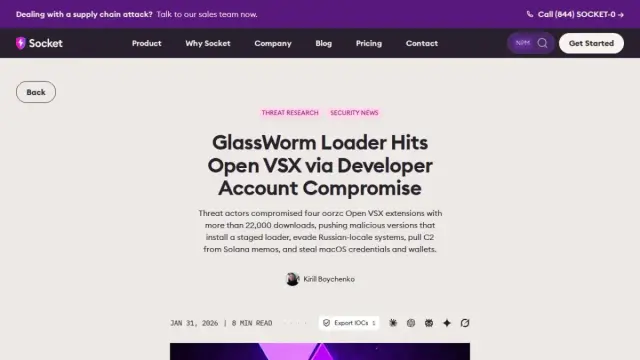 GlassWorm Loader Hits Open VSX via Developer Account CompromiseSocket
 Siloscape: Windows Malware That Breaks KubernetesThenewstack
 State of DevSecOpsDatadoghq
Mental Health Marketing: A Responsible 2026 GuideHeygen
 AI Statistics 2026: Adoption, Usage & Workforce TrendsSynthesia
 The 6 Layers of AI Observability: A Guide to the AI StackRetool
 How Pernod Ricard Deployed Enterprise AI to 28 Countries | Retool BlogRetool
 The Data Engineer's Guide to Efficient Log Parsing with DuckDB/MotherDuckMotherduck
 KubeCon + CloudNativeCon North America 2026: From user to contributor to maintainerCncf
 Vercel Web Analytics TroubleshootingVercel
 State of Voice Tech 2022: New Report Highlights Biggest Voice Tech Adoption MotivatorsDeepgram