
Learning Kubernetes: The Need for a Realistic Playground
Kubernetes is a fantastic foundation for modern platforms, but as is the case when learning anything complicated, you need a safe playground that rewards experimentation and structured learning while minimizing the potential for any negative consequences.
 Kong Applies Machine Learning to Microservice ManagementThenewstack
Run Stateful Containerized Workloads with Rancher Kubernetes Engine and PortworxThenewstack
KubeEdge Extends the Power of Kubernetes to the EdgeThenewstack
MapR Brings Apache Spark and Apache Drill to KubernetesThenewstack
Kong Applies Machine Learning to Microservice ManagementThenewstack
Run Stateful Containerized Workloads with Rancher Kubernetes Engine and PortworxThenewstack
KubeEdge Extends the Power of Kubernetes to the EdgeThenewstack
MapR Brings Apache Spark and Apache Drill to KubernetesThenewstack
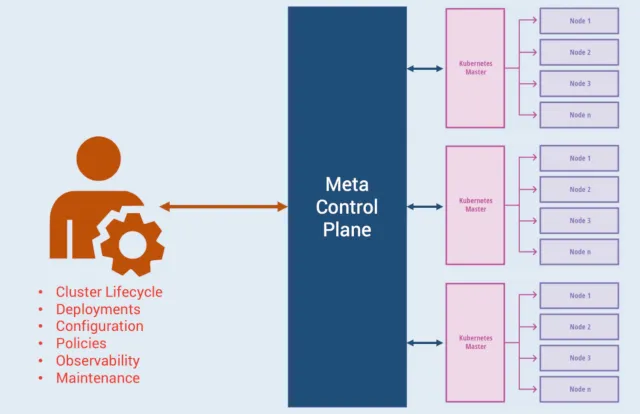 Google Anthos from the Eyes of a Kubernetes DeveloperThenewstack
Refactoring Is Not Bad, Until It IsThenewstack
Google Anthos from the Eyes of a Kubernetes DeveloperThenewstack
Refactoring Is Not Bad, Until It IsThenewstack
 Local Kubernetes Development Using Minikube and Redis EnterpriseRedis
 Workato integrations: What's included and when to use ZapierZapier
 How Argo CD and OpenShift Enable GitOps for DevelopersThenewstack
 Lessons Swift Designer Chris Lattner Has Learned about LeadershipThenewstack
 Security Considerations for API-Driven Apps Deployed to CloudThenewstack
 AWS Enterprise Container Management with PulumiPulumi
 Supporting Kubernetes with Faster, Easier Test EnvironmentsPulumi
 Neo Integrations: MCP Servers and Cloud CLIsPulumi
 Inside the Go Playground - The Go Programming LanguageGo
 Do AI Agents Need a Semantic Layer?Motherduck
 Summer Data Engineering RoadmapMotherduck
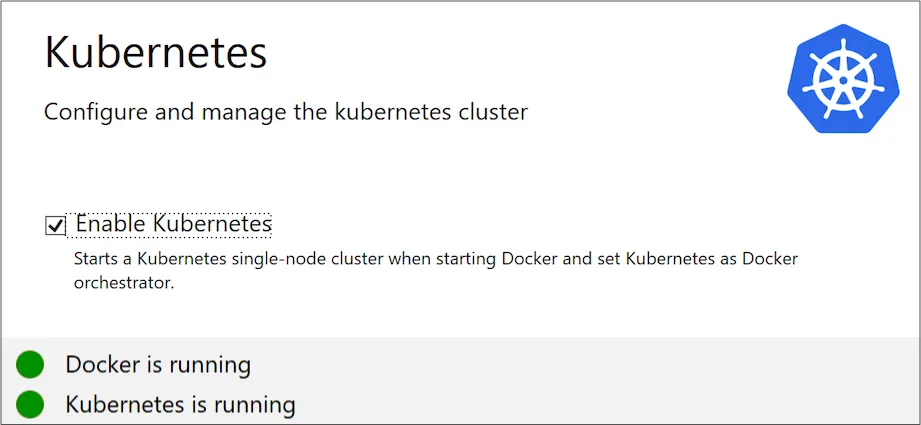 Docker for Windows Desktop with KubernetesDocker
 How To Create and Use Avatars in eLearningHeygen
 From ASR to CSR: Why Conversation Changes EverythingDeepgram
