Research
Adaptation Odyssey in LLMs: Why Does Additional Pretraining Sometimes Fail to Improve?
In the last decade, the generalization and adaptation abilities of deep learning models were typically evaluated on fixed training and test distributions.
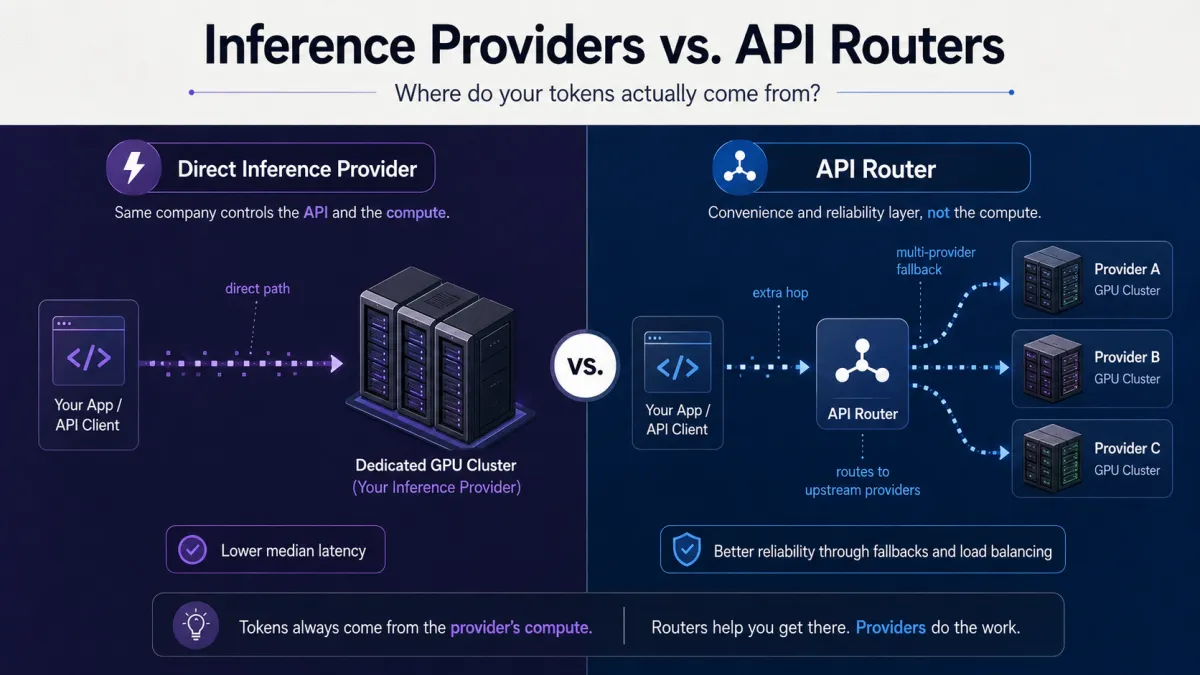 BlogsInference Providers vs. API Routers: Where Do Your Tokens Actually Come From?Fireworks
BlogsIntroducing the Flags Explorer, first-party integrations, and updates to the Flags SDKVercel
BlogsThe value of llms.txt: Hype or real?Mintlify
BlogsWhat is llms.txt? Breaking down the skepticismMintlify
BlogsWhat is MCP and how to get startedMintlify
BlogsThe Developer’s Intro to Core Web VitalsNetlify
Products & ServicesAI docs readership increased over 500% in 2025. What does it mean for you?Gitbook
Products & ServicesSupporting AI standards at GitBook: What OKF, MCP and llms.txt tell us about the future of docsGitbook
BlogsOpenAPI Operation IDs make good API designRedocly
BlogsInference Providers vs. API Routers: Where Do Your Tokens Actually Come From?Fireworks
BlogsIntroducing the Flags Explorer, first-party integrations, and updates to the Flags SDKVercel
BlogsThe value of llms.txt: Hype or real?Mintlify
BlogsWhat is llms.txt? Breaking down the skepticismMintlify
BlogsWhat is MCP and how to get startedMintlify
BlogsThe Developer’s Intro to Core Web VitalsNetlify
Products & ServicesAI docs readership increased over 500% in 2025. What does it mean for you?Gitbook
Products & ServicesSupporting AI standards at GitBook: What OKF, MCP and llms.txt tell us about the future of docsGitbook
BlogsOpenAPI Operation IDs make good API designRedocly