
Research
Fishing for Magikarp: Automatically Detecting Under-trained Tokens in Large Language Models
The disconnect between tokenizer creation and model training in language models allows for specific inputs, such as the infamous Solid Gold Magikarp token, to induce unwanted model behaviour.
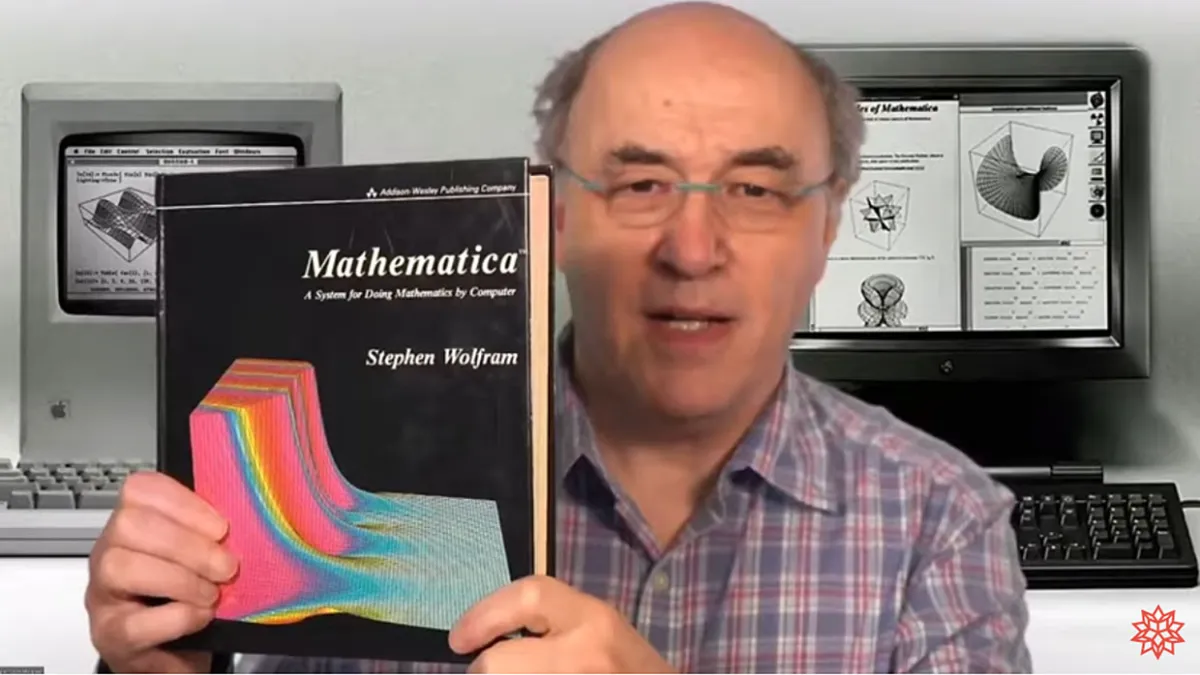 NewsThe Programming Language Mathematica Marks a MilestoneThenewstack
NewsAsyncAPI Looks to Unify API Workflow under Linux FoundationThenewstack
NewsMulticloud Paves the Way for Cloud Native Resiliency ModelsThenewstack
BlogsRobust generic functions on slices - The Go Programming LanguageGo
BlogsA Proposal for Package Versioning in Go - The Go Programming LanguageGo
BlogsContributors Summit 2019 - The Go Programming LanguageGo
BlogsGo Protobuf: The new Opaque API - The Go Programming LanguageGo
LearnTutorial: Getting started with multi-module workspaces - The Go Programming LanguageGo
BlogsWhen To Use Generics - The Go Programming LanguageGo
ResourcesGo Wiki: Compiler And Runtime Optimizations - The Go Programming LanguageGo
ResourcesGo Wiki: Go Code Review Comments - The Go Programming LanguageGo
BlogsMigrating to Go Modules - The Go Programming LanguageGo
BlogsArrays, slices (and strings): The mechanics of 'append' - The Go Programming LanguageGo
ResourcesGo Wiki: InstallTroubleshooting - The Go Programming LanguageGo
NewsThe Programming Language Mathematica Marks a MilestoneThenewstack
NewsAsyncAPI Looks to Unify API Workflow under Linux FoundationThenewstack
NewsMulticloud Paves the Way for Cloud Native Resiliency ModelsThenewstack
BlogsRobust generic functions on slices - The Go Programming LanguageGo
BlogsA Proposal for Package Versioning in Go - The Go Programming LanguageGo
BlogsContributors Summit 2019 - The Go Programming LanguageGo
BlogsGo Protobuf: The new Opaque API - The Go Programming LanguageGo
LearnTutorial: Getting started with multi-module workspaces - The Go Programming LanguageGo
BlogsWhen To Use Generics - The Go Programming LanguageGo
ResourcesGo Wiki: Compiler And Runtime Optimizations - The Go Programming LanguageGo
ResourcesGo Wiki: Go Code Review Comments - The Go Programming LanguageGo
BlogsMigrating to Go Modules - The Go Programming LanguageGo
BlogsArrays, slices (and strings): The mechanics of 'append' - The Go Programming LanguageGo
ResourcesGo Wiki: InstallTroubleshooting - The Go Programming LanguageGo