
Client-server overview
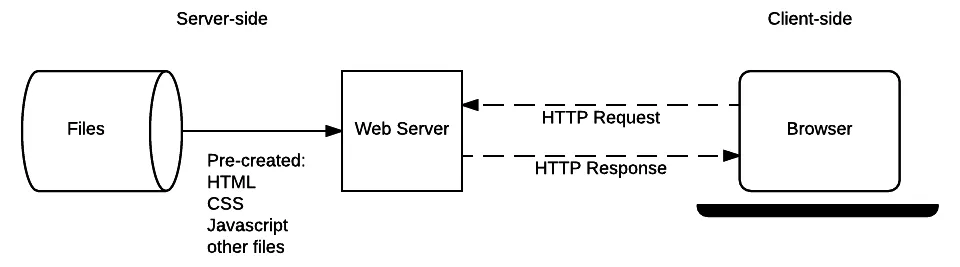
Now that you know the purpose and potential benefits of server-side programming, we're going to examine in detail what happens when a server receives a "dynamic request" from a browser. As most website server-side code handles requests and responses in similar ways, this will help you understand what you need to do when writing most of your own code.
 Node.js server without a frameworkdeveloper.mozilla.org
 Properly configuring server MIME typesdeveloper.mozilla.org
 Challenge: A mobile-first layoutdeveloper.mozilla.org
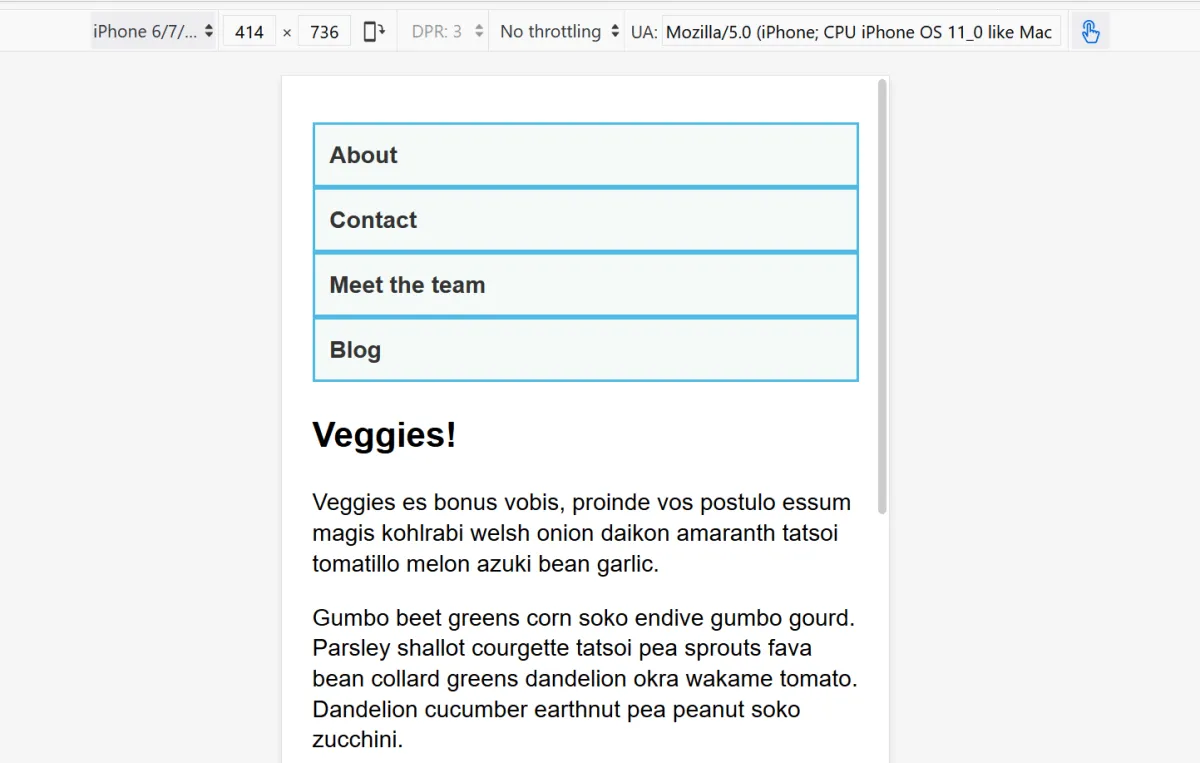 Media query fundamentalsdeveloper.mozilla.org
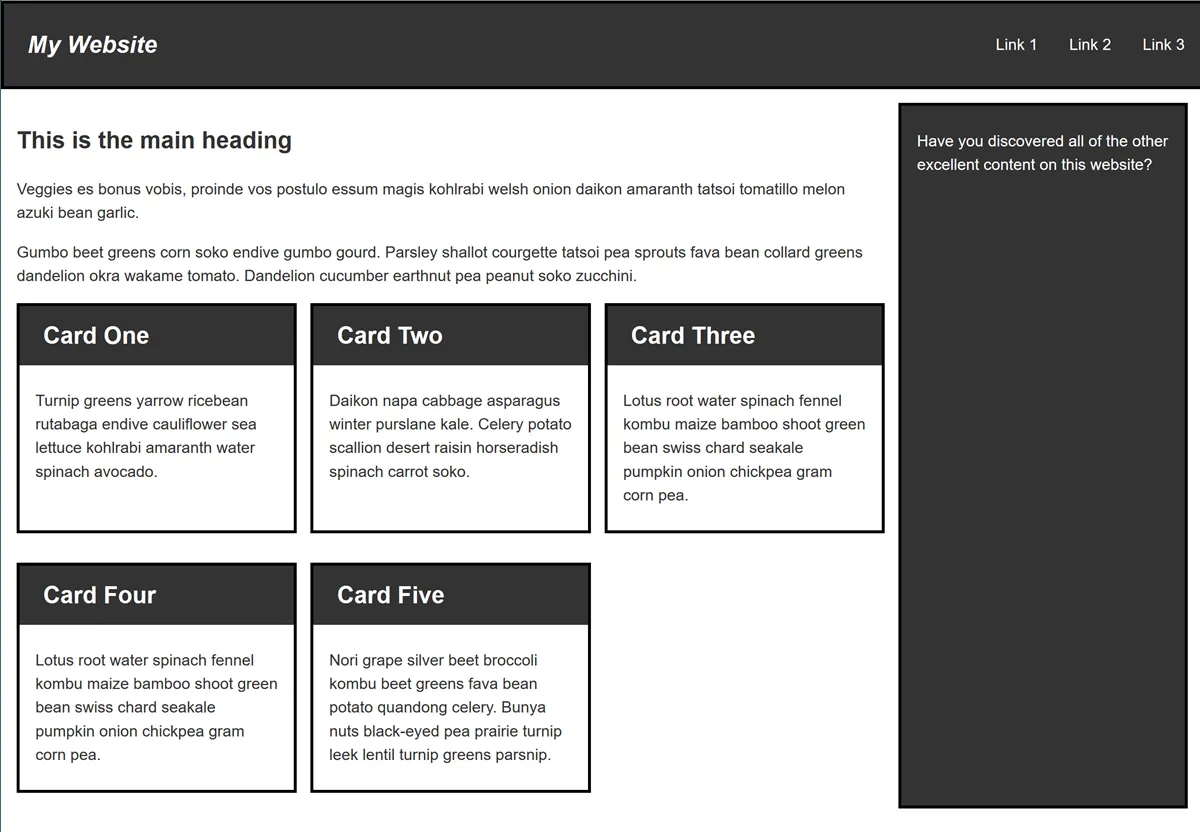 Test your skills: Responsive web design and media queriesdeveloper.mozilla.org
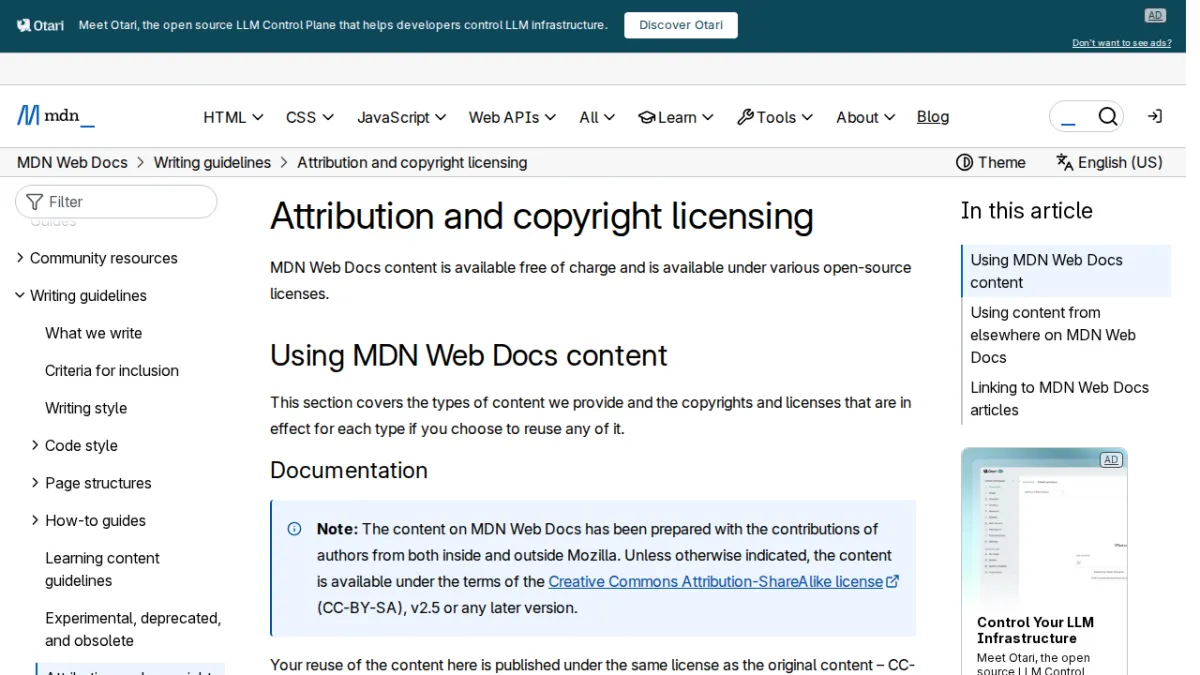 Attribution and copyright licensingdeveloper.mozilla.org
 Mintlify Alternatives: What to Consider (and Why There's No True Substitute)Mintlify
 Calling Your Video Game With Your Phone: Part 1Deepgram
 How a marketing agency increased client conversions 35% with Zapier CanvasZapier
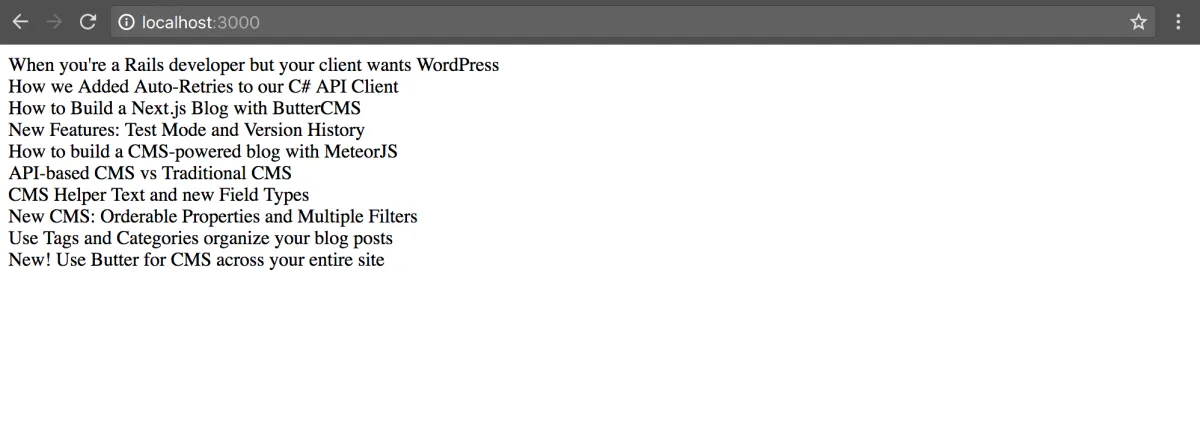 Server-Side React RenderingCss Tricks
 Building a Remote MCP Server: OAuth, Tool Design & Lessons from 4,000+ AI Queries | MotherDuckMotherduck
 Architecture as Code: MicroservicesPulumi
 Announcing OpenAPI support for the Pulumi Cloud REST APIPulumi
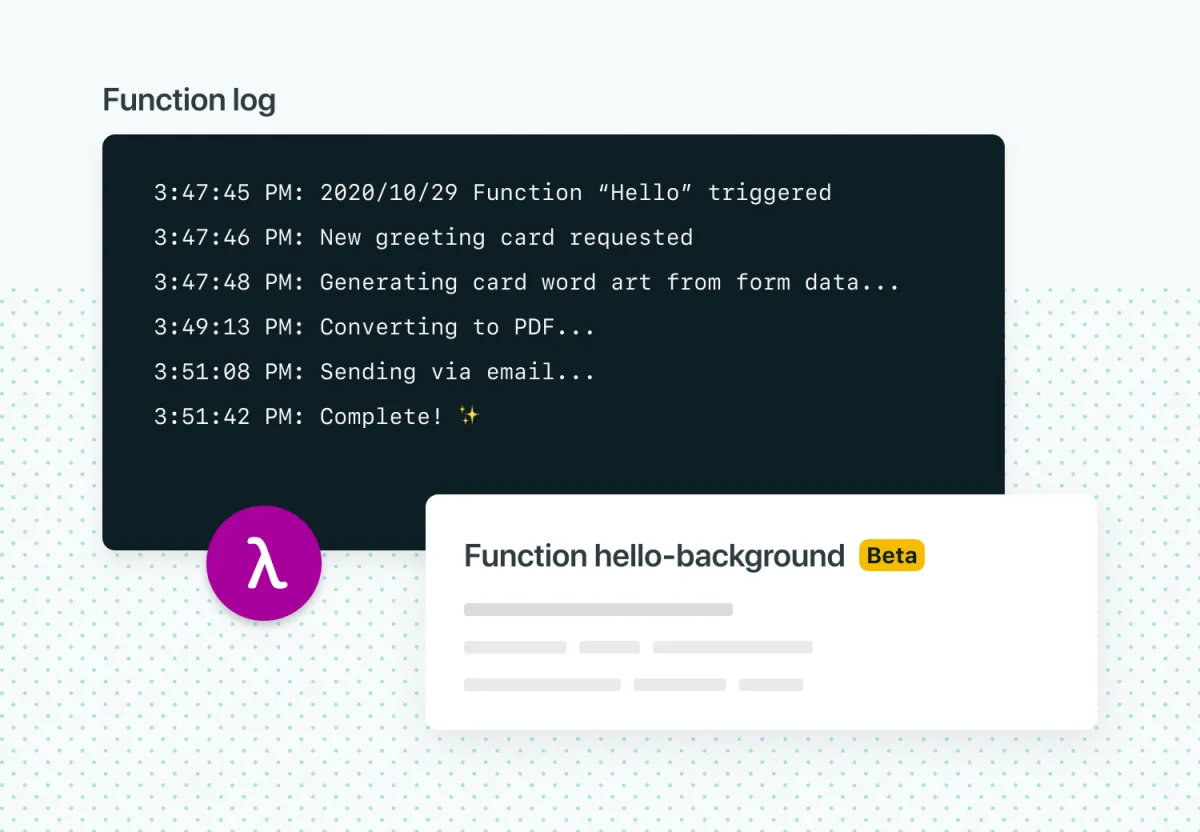 Netlify Background FunctionsCss Tricks
 What Is an MCP Server (Model Context Protocol Server)?Datadoghq
 This Month in the DuckDB Ecosystem: January 2026Motherduck
 BunnyCDN has expanded! Hello Sydney, Dallas and Falkenstein!Bunny
 Insurance Social Media Marketing: A Practical GuideHeygen
 How Cision uses AI video to scale multilingual support and improve client experienceSynthesia
 The 7 best email clients for Windows in 2026Zapier
