
Sending forms through JavaScript
When a user submits an HTML form, for example by clicking the submit button, the browser makes an HTTP request to send the data in the form. But instead of this declarative approach, web apps sometimes use JavaScript APIs such as fetch() to send data programmatically to an endpoint that expects a form submission. This article explains why this is an important use case and how to do it.
 Solve common JavaScript problemsdeveloper.mozilla.org
 JavaScript performance optimizationdeveloper.mozilla.org
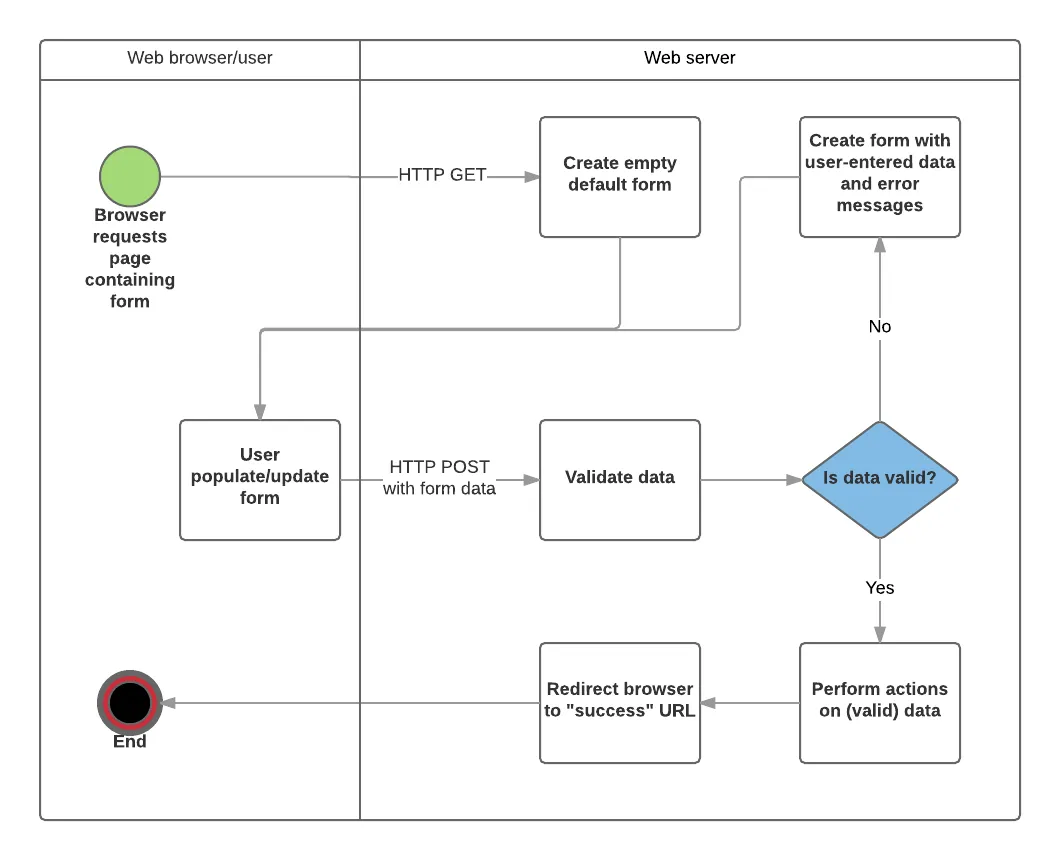 Express Tutorial Part 6: Working with formsdeveloper.mozilla.org
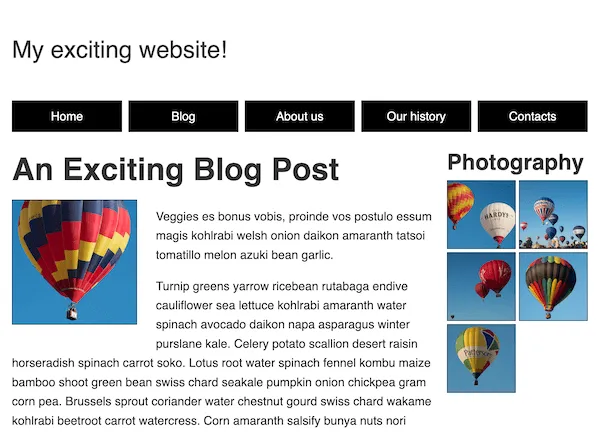 Challenge: A mobile-first layoutdeveloper.mozilla.org
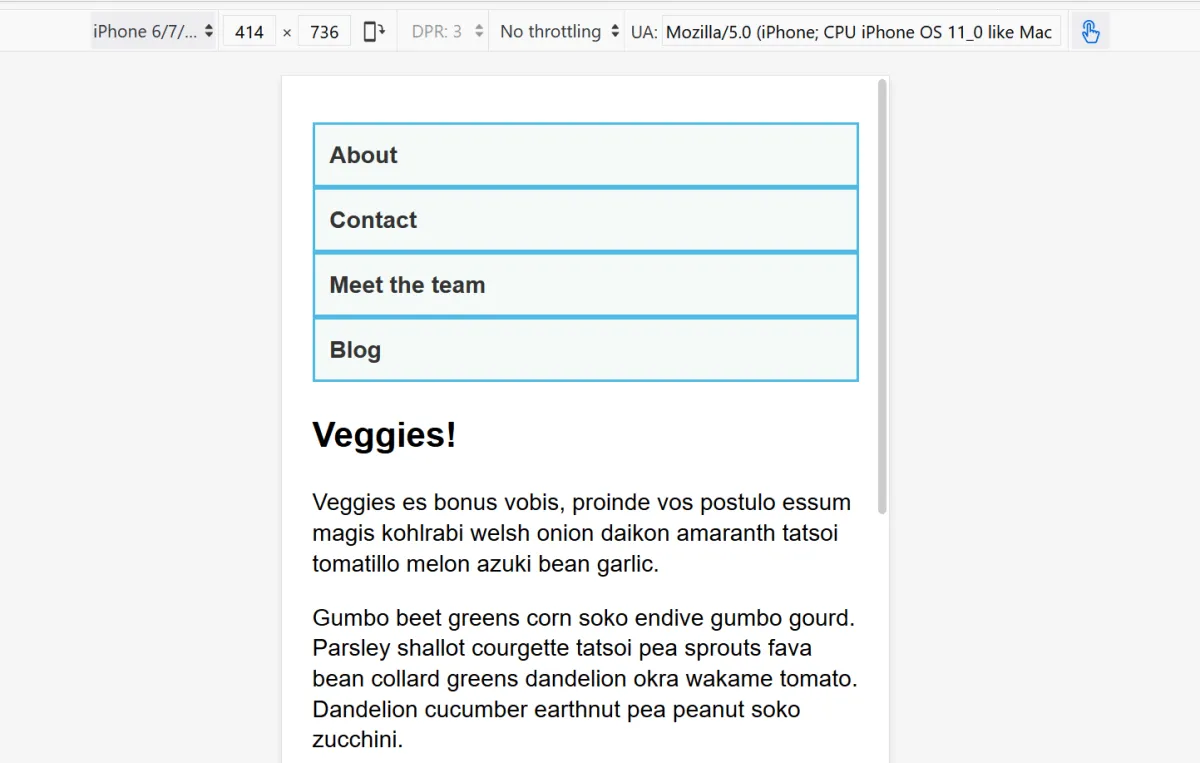 Media query fundamentalsdeveloper.mozilla.org
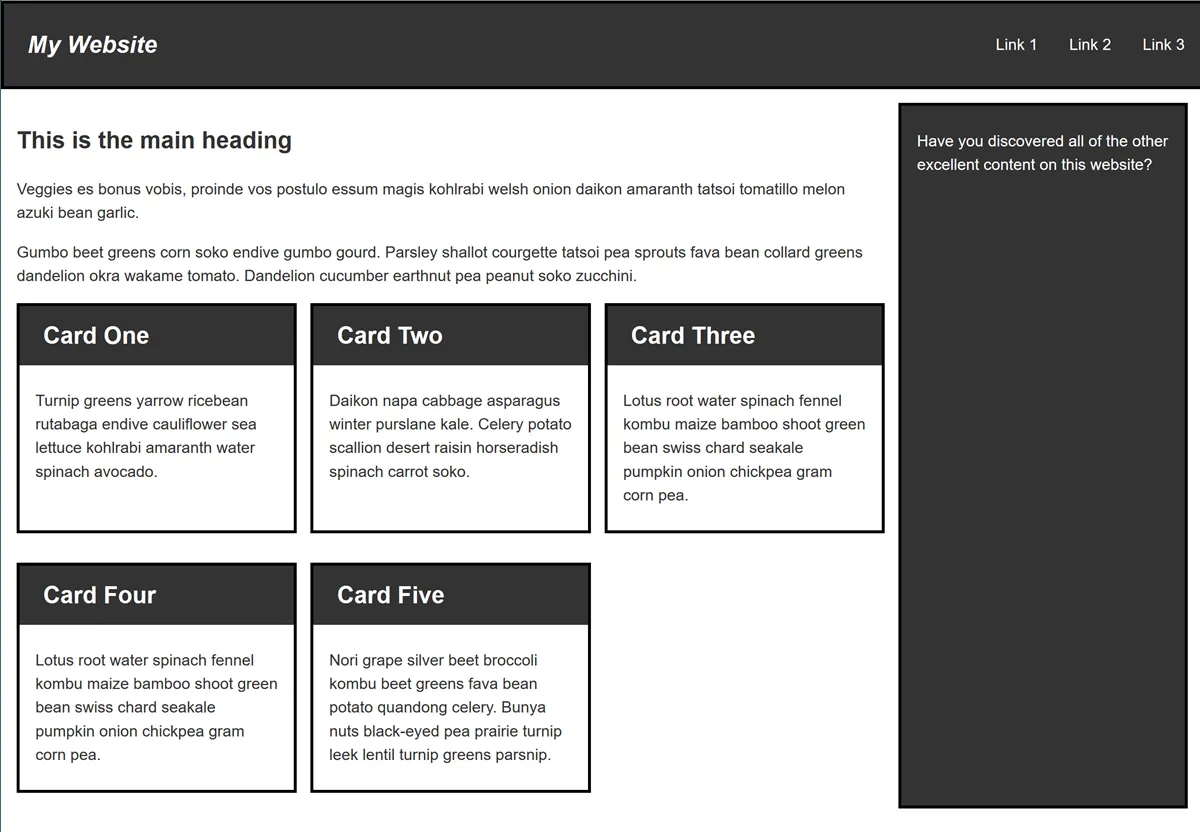 Test your skills: Responsive web design and media queriesdeveloper.mozilla.org
 No Code Transcription: Simplifying Workflows with Deepgram and Make.comDeepgram
 Neo Integrations: MCP Servers and Cloud CLIsPulumi
 Modal SDKs for JavaScript and Go (alpha)Modal
 Server-Side React RenderingCss Tricks
 A prompt guide to get the most out of HeyGen's new Video AgentHeygen
 NO_EXTERNAL_CSS_AT_IMPORTSVercel
 Top 5 Youtubers That Will Teach You LangChainDeepgram
 Detect Non-Inclusive Language with Retext and Node.js - Deepgram Blog ⚡️Deepgram
 How Walsall Council Delivers Improved Resident Experiences Through Multilingual AI Videos in Over 50Synthesia
 AI at Zapier: 12 apps that will revolutionize the way you workZapier
 upm Launches as a Fast, Tiny Package Manager Written in TypeScriptSocket
 Twitch Browser Extension Exposes 30,000 Users’ OAuth Tokens to Russian Bot ServiceSocket
 Strong Security Doesn’t Have to Equate to Slow DevelopmentThenewstack
 The Cost of Javascript Frameworks | CSS-TricksCss Tricks
