
The inevitable Kubernetes - 10 years, still a lot to do
Posted on July 26, 2024 CNCF projects highlighted in this post Member post by Sergey Pronin, Percona Kubernetes launched in June 2014 – since then, it has played a huge part in popularizing cloud-native application designs and supporting more microservices deployments.
 Policy-as-Code: Flexible Kubernetes governance with KyvernoCncf
 How to get engineering time back from Kubernetes upgradesCncf
 GPU autoscaling on Kubernetes with KEDA: Building an external scalerCncf
Added flexibility and better performance are driving new use cases for WebAssemblyCncf
The technical complexities of decoupled authorizationCncf
The importance of secrets detection and redaction within the SLSA frameworkCncf
GPU autoscaling on Kubernetes with KEDA: Building an external scalerCncf
Added flexibility and better performance are driving new use cases for WebAssemblyCncf
The technical complexities of decoupled authorizationCncf
The importance of secrets detection and redaction within the SLSA frameworkCncf
 Local Kubernetes Development Using Minikube and Redis EnterpriseRedis
 How Argo CD and OpenShift Enable GitOps for DevelopersThenewstack
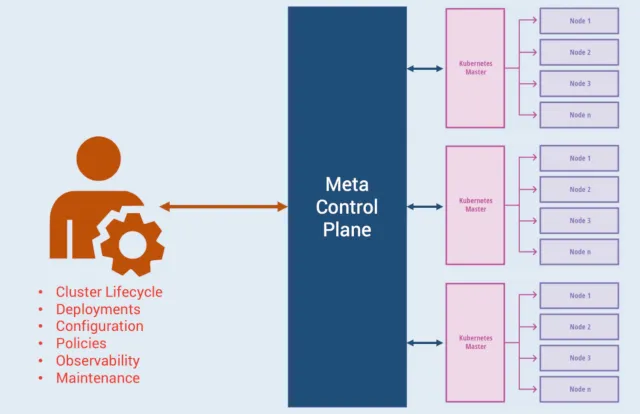 Google Anthos from the Eyes of a Kubernetes DeveloperThenewstack
 Security Considerations for API-Driven Apps Deployed to CloudThenewstack
 AWS Enterprise Container Management with PulumiPulumi
 Five Years of Infrastructure as CodePulumi
 Supporting Kubernetes with Faster, Easier Test EnvironmentsPulumi
 Neo Integrations: MCP Servers and Cloud CLIsPulumi
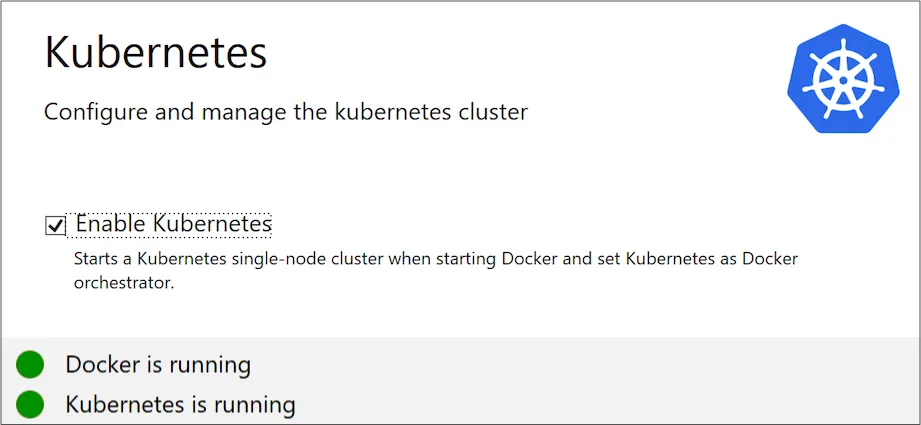 Docker for Windows Desktop with KubernetesDocker
 Siloscape: Windows Malware That Breaks KubernetesThenewstack
 Breakdown: The Kubernetes-Run AI Video Generation Pipeline for NIUS.TVThenewstack
 Next-level IaC: Powering Up Pulumi with Package EcosystemsPulumi
 GitOps Best Practices I Wish I Had Known BeforePulumi
 Architecture as Code: MicroservicesPulumi
