
How a unified data model improves feature flag rollout decisions
Learn how stitched-together tooling can be a bottleneck for shipping at scale, and how a unified platform can bring together product signals for teams to observe their entire stack.
 Cloud Security Trends & Challenges: Complete GuideCybersecurity Exchange
 State of Speech: Our New Data Report Reveals ASR’s Untapped Potential - Deepgram Blog ⚡️Deepgram
 Build a Presentation Coaching Application with Recall - Deepgram Blog ⚡️Deepgram
 The Most Important Work in AI Training Is Also the Most Overlooked - Deepgram Blog ⚡️Deepgram
 New Spanish and Turkish Language Models and Updated General Models - Deepgram Blog ⚡️Deepgram
 Data Ingestion: 6 Ways to Speed Up Your ApplicationRedis
 5 ways to automate Browse AIZapier
 How to connect Google Sheets to NotionZapier
 Pancakes Are Delicious and Data Centers Are for Free StuffThenewstack
 Integrate Jupyter Notebooks with GitHubThenewstack
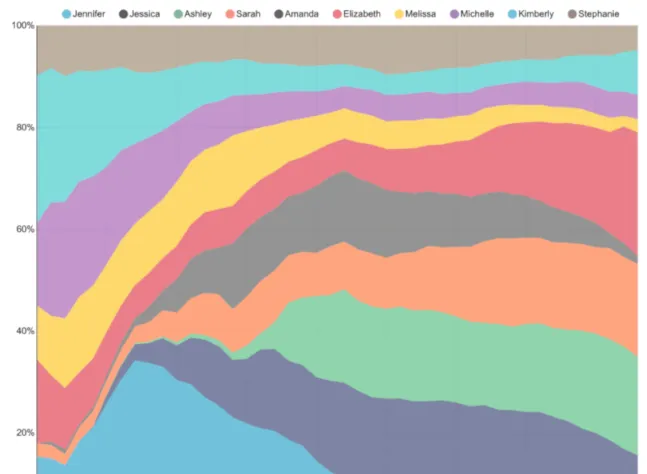 Explore and Visualize Data the Apache Superset WayThenewstack
 Announcing Restore Stacks: Recover Deleted Stacks in the Pulumi CloudPulumi
 The Go Memory Model - The Go Programming LanguageGo
 Go Concurrency Patterns: Pipelines and cancellation - The Go Programming LanguageGo
