
How to audit and clean up monitors effectively
Learn how to audit monitoring coverage, reduce alert fatigue, and identify coverage gaps with a structured framework for improving alert quality.
 How to Conduct an AI Agent Security Audit [+ Checklist]Zapier
 Customer.io Automatically Standardizes Form Submissions for ReportingZapier
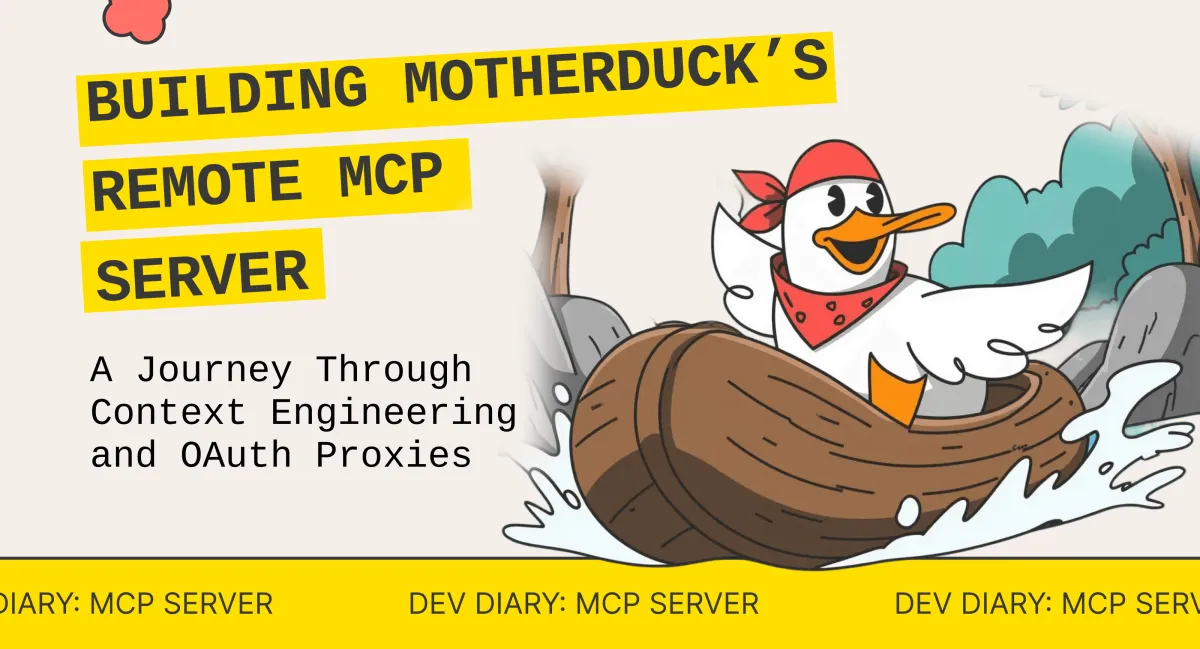 Building a Remote MCP Server: OAuth, Tool Design & Lessons from 4,000+ AI Queries | MotherDuckMotherduck
 How AI Assistants Can Decode GitHub Repos for UI WritersDocker
 How to Evaluate an SCA with Reachability: Benchmarking Hard-to-Analyze Language FeaturesSocket
 Markdown export - MintlifyMintlify
 Turn Your Google Analytics Data into Actionable TasksZapier
 Introducing Rotated Secrets in Pulumi ESCPulumi
 Announcing SOC 2 Type 1 ComplianceSocket
 The Baseline Features audit is now available in LighthouseWeb
 Iterating More Effectively with FeedbackTechcrunch
 What is a Network Intrusion Detection system (NIDS)?Bunny
 Falco Links Real-Time Detection with Forensic-Level Analysis in the Cloud Native StackCncf
 How Notion Calendar helps you manage your time more effectivelyNotion So
