
Introducing Bits Code for Code Security
Learn how Bits Code for Code Security automatically generates fixes for SAST vulnerabilities and opens pull requests to help you reduce your vulnerability backlog at scale.
 Cloud Security Trends & Challenges: Complete GuideCybersecurity Exchange
 Security Implementation for Responsible AI: A Practical FrameworkCybersecurity Exchange
 Docs-as-code solutions for API teams: how to choose the right platform in 2026Mintlify
 Mintlify Alternatives: What to Consider (and Why There's No True Substitute)Mintlify
 Build a Presentation Coaching Application with Recall - Deepgram Blog ⚡️Deepgram
 No Code Transcription: Simplifying Workflows with Deepgram and Make.comDeepgram
 How to Conduct an AI Agent Security Audit [+ Checklist]Zapier
 DevSecOps: Why Security Shouldn’t be Sacrificed for SpeedThenewstack
 Security Considerations for API-Driven Apps Deployed to CloudThenewstack
 Oso Unbundles Security AuthorizationThenewstack
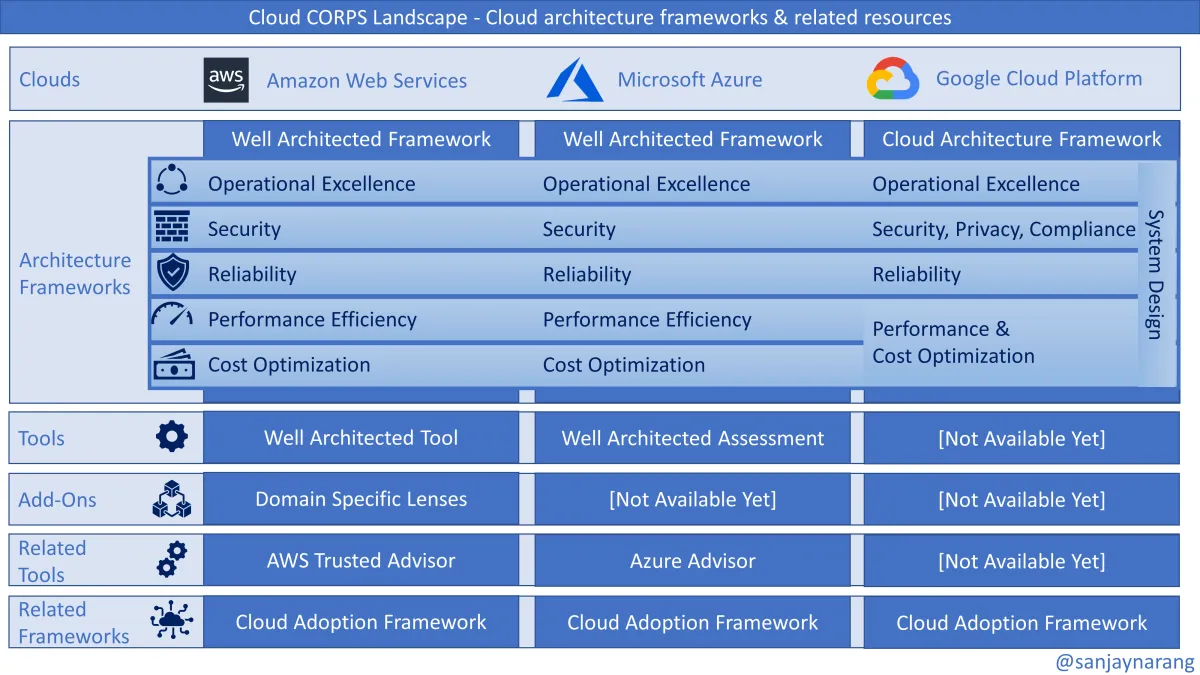 Introducing CORPS: The 5 Pillars for a Robust Cloud Architecture FrameworkThenewstack
 Empower Your Team with Policy as CodePulumi
 Pulumi ESC and External Secrets Operator: The Perfect Solution for TodayPulumi
 IaC Best Practices: Implementing RBAC and SecurityPulumi
