
35K Malicious code Insertions in GitHub: Attack or Bug-Bounty Effort?
“Bad actors have already been known in the past for creating cloned/forked popular repositories with malicious code," says Mor Weinberg, Aqua Security software engineer.
 Threat Alert: TeamTNT Pwn Campaign Against Docker and K8s EnvironmentsAquasec
Malware Forensic Analysis: Capturing What Attackers Leave BehindAquasec
Threat Alert: TeamTNT Pwn Campaign Against Docker and K8s EnvironmentsAquasec
Malware Forensic Analysis: Capturing What Attackers Leave BehindAquasec
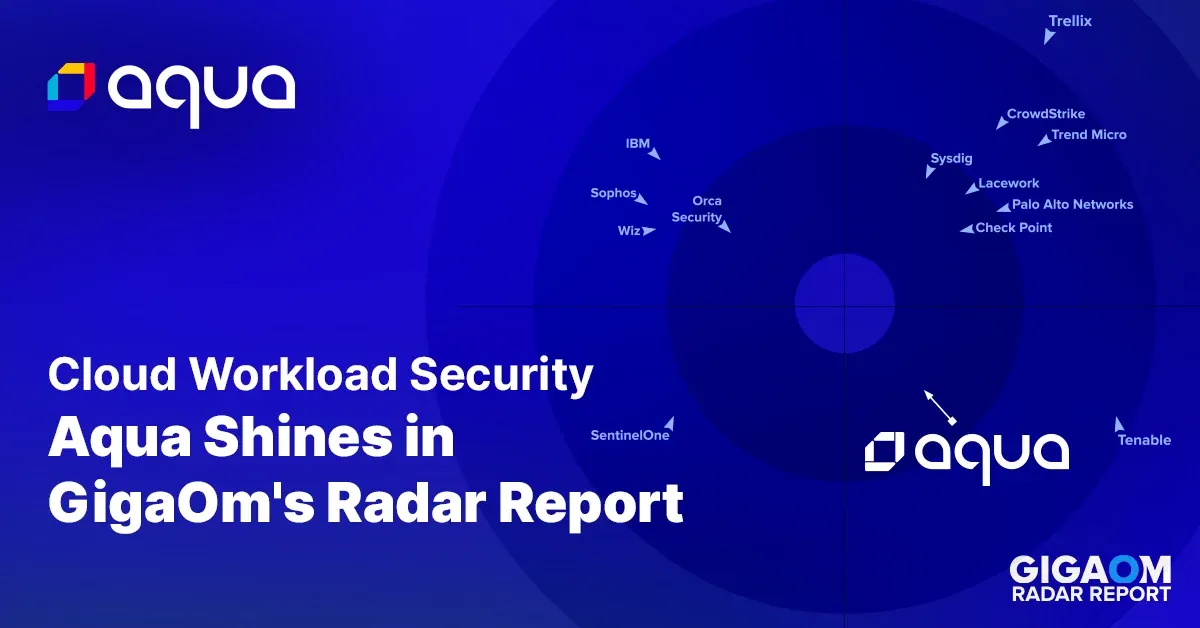 Cloud Workload Security: Aqua Shines in GigaOm's Radar ReportAquasec
 Deceptive Deprecation: The Truth About npm Deprecated PackagesAquasec
 Aqua and HashiCorp Enable Cloud Native Security, Zero-Trust ApproachesAquasec
 Sink or Swim: Tackling 2024's Record-Breaking Vulnerability WaveAquasec
 Docs-as-code solutions for API teams: how to choose the right platform in 2026Mintlify
 Mintlify Alternatives: What to Consider (and Why There's No True Substitute)Mintlify
 Build a Presentation Coaching Application with Recall - Deepgram Blog ⚡️Deepgram
 No Code Transcription: Simplifying Workflows with Deepgram and Make.comDeepgram
 Integrate Jupyter Notebooks with GitHubThenewstack
 Oso Unbundles Security AuthorizationThenewstack
 Empower Your Team with Policy as CodePulumi
 How We Eliminated Long-Lived CI Secrets Across 70+ ReposPulumi
 Pulumi Neo Now Supports AGENTS.mdPulumi
 Five Years of Infrastructure as CodePulumi
 New Policy as Code Capabilities with CrossGuardPulumi
 Godoc: documenting Go code - The Go Programming LanguageGo
 Managing dependencies - The Go Programming LanguageGo
 How Hunch supercharged AI workflows with Modal SandboxesModal
