
Reduce Carbon Dioxide Emissions with Serverless and Kubernetes Native Java
Moving application workloads to multi- and hybrid cloud platforms causes more carbon dioxide emissions, although better scalability and performance.

 Cloud Native Java with the Micronaut FrameworkInfoq
 Stragglers, Not Failures: How Adaptive Hedged Requests Reduce p99 Latency by 74 PercentInfoq
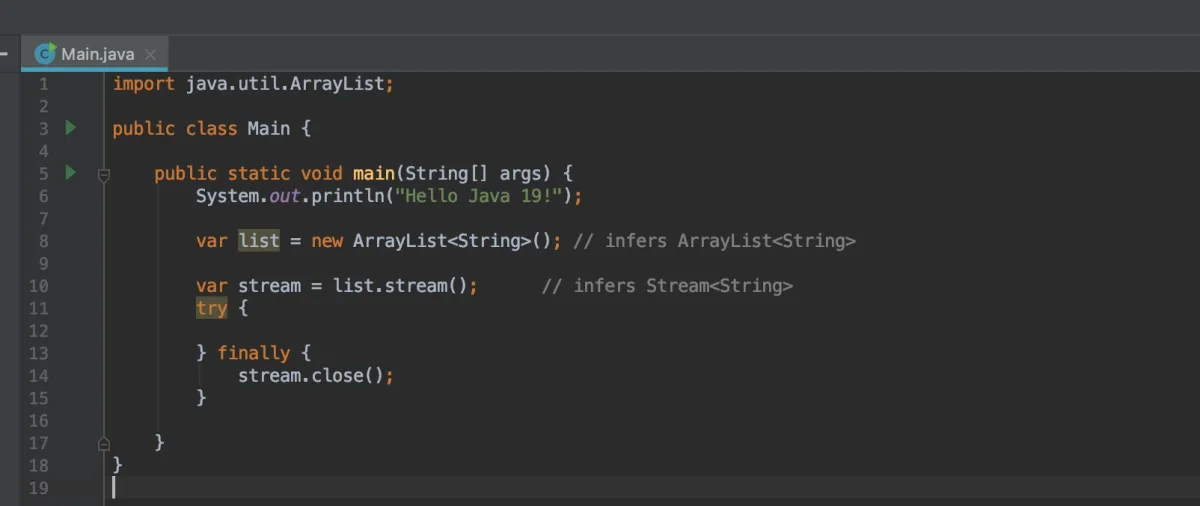 Java Feature Spotlight: Local Variable Type InferenceInfoq
 Kubernetes Operators in DepthInfoq
Grab Redesigns Counter Service Storage for 50% Lower P99 LatencyInfoq
The Async Multiprocessing Has Sound Foundations in Linux, But Further Testing is NeededInfoq
Kubernetes Operators in DepthInfoq
Grab Redesigns Counter Service Storage for 50% Lower P99 LatencyInfoq
The Async Multiprocessing Has Sound Foundations in Linux, But Further Testing is NeededInfoq
 Mintlify Alternatives: What to Consider (and Why There's No True Substitute)Mintlify
 Happy National Native American Heritage Month! - Deepgram Blog ⚡️Deepgram
 Local Kubernetes Development Using Minikube and Redis EnterpriseRedis
 How Argo CD and OpenShift Enable GitOps for DevelopersThenewstack
 This Week in Programming: Who's Headed to KubeCon?Thenewstack
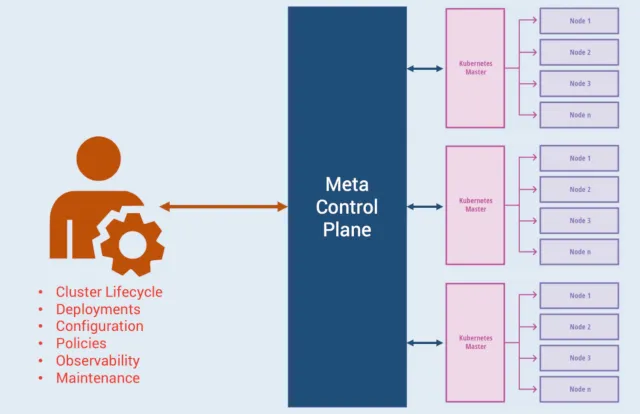 Google Anthos from the Eyes of a Kubernetes DeveloperThenewstack
 Puppet’s New Mission: Automating Cloud Native InfrastructureThenewstack
 Security Considerations for API-Driven Apps Deployed to CloudThenewstack
 Pulumi ESC and External Secrets Operator: The Perfect Solution for TodayPulumi
 AWS Enterprise Container Management with PulumiPulumi
 Supporting Kubernetes with Faster, Easier Test EnvironmentsPulumi
 Neo Integrations: MCP Servers and Cloud CLIsPulumi
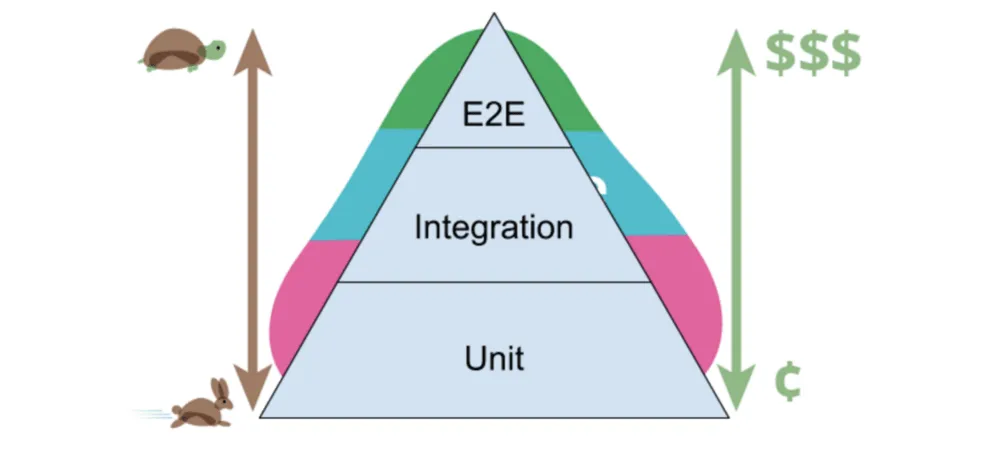 Develop, Preview, TestCss Tricks
 The Serverless Backend for Analytics: Introducing MotherDuck’s Native Integration on VercelMotherduck
